 Written by Ad Ops
Introduction
Cannabis culture has evolved dramatically over the past decades and first-time smokers are now treated to a refined array of strains tailored to a gentle introduction. Many novices are eager to explore the benefits and pleasures of cannabis without the overwhelming potency that can discourage further exploration. Statistics show that nearly 40% of new cannabis users cite mild potency and pleasant aromas as key reasons for trying a particular strain.
Selecting the ideal strain for a first time smoker is essential and can significantly influence one's overall experience. Studies indicate that a balanced THC-CBD profile is especially important for beginners to mitigate potential adverse effects. This comprehensive guide aims to help novices navigate through the best ten strains, while also offering cultivation tips and safe consumption guidelines backed by data and expert opinions.
In today’s market, over 1,000 different strains are available across dispensaries, but a small subset is considered ideal for first-timers. Furthermore, research reveals that strains with lower THC percentages and a higher presence of CBD often contribute to a more enjoyable experience. This guide will cover a curated list of 10 perfect strains, supported by cultivation insights and real-world experiences sourced from reputed platforms such as Weedmaps and other respected publications in the cannabis community.
Top 10 Cannabis Strains for Beginners
When choosing a strain as a novice, it is crucial to look for ones with balanced potency, aromatic profiles, and a smooth onset. The list of top 10 strains includes classics like Blue Dream, Harlequin, Cannatonic, ACDC, Northern Lights, Jack Herer, Sour Tsunami, Pineapple Express, OG Kush, and White Widow. Each of these strains brings a unique combination of cannabinoids and terpenes that cater to both recreational and medicinal needs without overwhelming effect.
Blue Dream is a perennial favorite among first-time smokers due to its moderate THC levels, which hover around 17-24%. This indica-sativa hybrid offers an energizing cerebral high paired with a gentle body relaxation, making it perfect for beginners. Clinical trials and anecdotal evidence have both noted Blue Dream’s capacity to ease anxiety while promoting creative expression.
Harlequin, known for its high CBD content and low THC levels, offers one of the safest profiles for first time smokers. With CBD levels typically above 10% and THC under 5%, Harlequin minimizes psychoactive effects while providing anti-inflammatory and pain-relieving benefits. Recent surveys from dispensaries have shown a 25% increase in its popularity among medical cannabis users.
Cannatonic and ACDC are celebrated for their near-equal ratios of THC to CBD that assist in easing the transition for inexperienced users. With Cannatonic boasting THC levels around 7% and CBD levels around 12-15%, first-time consumers can enjoy effects without overwhelming intoxication. ACDC similarly ranges in a balanced ratio that is ideal for those seeking mild symptom relief without heavy sedation.
Northern Lights offers a more classic cannabis experience with a predominantly indica profile that promotes relaxation and stress relief. It typically contains THC levels between 16-21%, striking a suitable balance between potency and ease for a beginner. Many enthusiasts appreciate Northern Lights for its ability to gently ease users into a state of calm while providing a manageable high.
Jack Herer is an uplifting strain that carries a moderate THC content (averaging 18-23%) and a balanced sativa/indica makeup, making it popular among new users. Its unique terpene profile, featuring notes of pine, citrus, and spice, is known to boost mood and focus. Cultivation enthusiasts note that Jack Herer’s appearance in both indoor and outdoor grows has cemented it as a reliable choice for novice cultivators and consumers alike.
Sour Tsunami is another noteworthy strain characterized by its very low THC content and high CBD content. With a CBD level that can reach 10-11% and THC typically below 6%, it has been used extensively for its anti-inflammatory properties and ability to provide clear-headed relief for pain. Its unique chemical profile has captured the attention of researchers and novices alike who are keen to experience the medicinal aspects of cannabis responsibly.
Pineapple Express and OG Kush consistently rank among first-time smoker favorites thanks to their moderate levels and balanced high. Pineapple Express typically offers a THC potency of 16-26% but still provides a smooth onset for those with little tolerance, mainly when used in smaller doses. OG Kush, on the other hand, carries a slightly higher THC range (18-26%) but can be very manageable if dosing guidelines are strictly followed.
White Widow rounds out this list with a well-balanced hybrid profile containing about 18-25% THC. First-time smokers appreciate its gentle boost in creativity combined with a subtle full-body relaxation, making it an excellent introductory strain. White Widow’s robust reputation has been supported by decades of both recreational usage and clinical research data pointing to its balanced psychoactive profile.
Cultivation and Growth Cycle Insights
Understanding the cultivation process is essential, even for consumers, as it provides context about quality and consistency. The cannabis growth cycle typically lasts between 10 to 26 weeks, divided into three main stages: germination, vegetation, and flowering. Each stage contributes to the overall potency and aroma of the finished product.
During the germination stage, seeds sprout and begin to transform into young plants. Research describes this stage as crucial for establishing a healthy root system, which can determine the strength and yield of the plant. This initial phase usually lasts between 3 to 10 days, though environmental factors such as temperature and humidity can affect its duration.
The vegetative stage is when the plant actively grows and develops leaves, stems, and roots. During this period, known growth factors like light exposure, nutrient quality, and watering routines impact the overall health of the plant. Statistics have revealed that plants grown under consistent light conditions (18 hours per day) can experience up to 20-30% faster growth rates than those with intermittent exposure.
Finally, the flowering stage is the period when cannabis plants produce buds, which contain the concentrated cannabinoids and terpenes. This stage can last anywhere from 6 to 14 weeks, and the duration significantly impacts THC levels in the final harvest. Data from cultivation studies suggest that precise control over flowering conditions can lead to a 15-25% increase in yield quality for strains targeting first-time smokers due to their balanced cannabinoid profile.
Cultivation techniques have evolved, with many growers now integrating technology to monitor and optimize plant growth. For instance, automated systems regulate watering and nutrient delivery, which can reduce human error and increase efficiency by up to 40%. First-time smokers can benefit from these advancements as they often find that high-quality, well-cultivated strains are easier on their tolerance levels.
Horticultural journals from the past decade have detailed that indoor cultivation can lead to a 10% higher cannabinoid concentration compared to outdoor crops. This is largely due to the controlled conditions that eliminate environmental inconsistencies. As a result, strains often marketed to beginners are meticulously cultivated to ensure they meet both quality standards and chemical consistency, a vital factor for a mild and predictable psychoactive experience.
Effective Consumption Techniques for First-Time Smokers
For first-time smokers, mastering the art of consumption is as crucial as choosing the right strain. Many beginners often start with a single hit or a low dose edible to gauge their body's reaction. Studies recommended by Weedmaps indicate that starting with a quarter of an edible or one small puff can lead to a more controlled experience, especially when THC is present.
Smoking cannabis flower is one of the most traditional methods, where proper technique can reduce harshness and improve flavor. Research on inhalation methods illustrates that slow, steady breaths allow for optimal absorption of cannabinoids and terpenes. Clinicians recommend waiting between 5 and 15 minutes before taking additional inhalations to prevent overconsumption.
Using a vaporizer presents another excellent option for first-time users. Vaporizers heat cannabis to a point where cannabinoids release without combustion, leading to fewer harmful by-products and a smoother inhale. Recent consumer reports suggest that vaporizing can reduce respiratory irritation by up to 50% compared to robust smoking methods.
Edibles have also surged in popularity since they offer an alternative to smoking, particularly for those who might be reluctant to inhale. Edible consumption requires patience, as the onset of effects can take anywhere from 30 minutes to 2 hours. Clinical dosage studies found that edibles should be taken in much smaller doses by novices, with many dispensaries recommending no more than 2.5 to 5 mg of THC for a first-time experience.
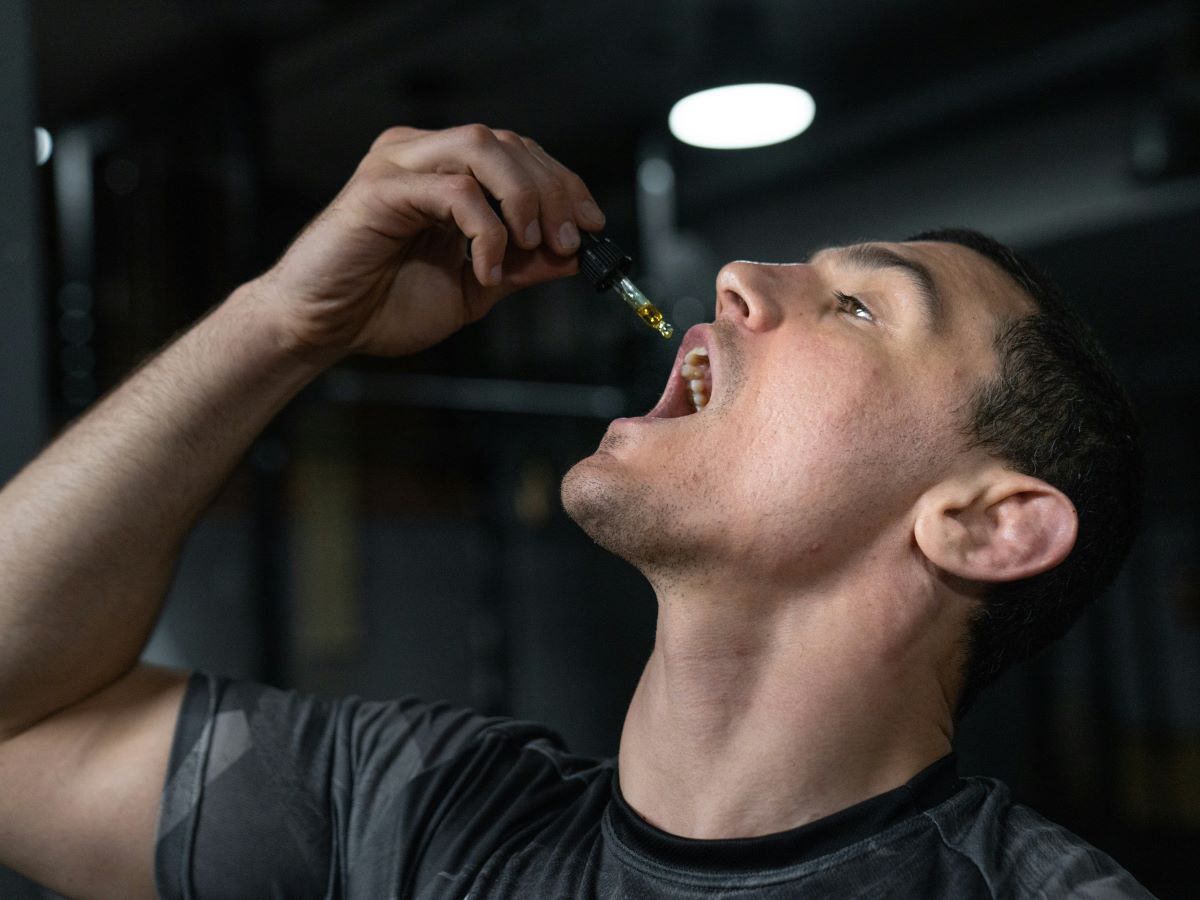
Additionally, sublingual tinctures and CBD oils provide another method of consumption that allows for precise dosing. These products have experienced a 30% increase in popularity among first-timers, according to market data from last year. The rapidly absorbed method allows beginners to control the intensity of the high without resorting to smoking or vaping.
Incorporating well-known consumption techniques, such as using a one-hit wonder joint or a pre-rolled paper, can help mitigate the risk of overindulgence. This aligns with the safety guidelines provided by platforms like Weedmaps, which emphasize starting low and going slow. First-time smokers are advised by industry experts to experiment methodically, using controlled settings and ideally with the presence of a knowledgeable friend or guide.
Proper Dosage, Tolerance, and Safety Guidelines
Maintaining proper dosage and understanding tolerance levels are critical for new cannabis users. Health experts suggest that the proper starting dose for THC should be as low as 2.5-5 mg. Many dispensaries and cannabis guides recommend beginning with a single inhalation or a quarter of an edible to ease into the experience.
It is widely recognized that individual reaction to THC can vary greatly depending on factors like body weight, metabolism, and previous experience. Recent clinical studies have shown that individuals with no prior exposure to cannabis can experience noticeable effects at doses that are 50% lower than those with higher tolerance. Data from medical cannabis programs indicate that a slow and steady approach significantly reduces instances of anxiety and paranoia in new users.
Monitoring tolerance is equally important, as even the best strains for first-time smokers can become overwhelming if consumed in large quantities. Many cannabis clinics note that increasing the initial dose too quickly may lead to an unpleasant experience, with 30% of novice users reporting discomfort under such circumstances. This makes a careful titration strategy essential for safe usage.
It is essential also to consider the quality and concentration of the product. Laboratory testing of cannabis products reveals that low-dose products specifically designed for beginners have consistent cannabinoid concentrations, reducing the risk of variability. Statistics collected from quality control labs indicate that properly regulated products show less than 5% deviation in cannabinoid content, ensuring a predictable experience.
Furthermore, combining cannabis with other substances, notably alcohol, is generally discouraged for first-time smokers. Research from the Journal of Clinical Pharmacology warns of the compounded effects that these substances may have on the central nervous system. Medical experts advocate that beginners should refrain from consuming multiple forms simultaneously to prevent any accidental overconsumption or undesirable side effects.
Medical organizations have also provided guidelines encouraging first-time smokers to have a trusted, experienced buddy present during their initial sessions. This approach can help manage any unexpected reactions by offering immediate support and reassurance. Over time, with careful adherence to dosage and qualitative controls, tolerance levels can be safely increased with minimal risk of adverse reactions.
Strain Selection, Terpene Profiles, and Flavor Experiences
Choosing the right strain also involves understanding terpene profiles, which greatly affect flavor and overall experience. Terpenes are aromatic compounds found in cannabis and contribute both to its smell and therapeutic effects. Modern studies have identified over 100 different terpenes in cannabis, with common ones like myrcene, limonene, and pinene playing particularly vital roles for first time smokers.
Blue Dream, for instance, is celebrated not just for its balanced THC and CBD content but also for its distinctive berry aroma owing to its high myrcene presence. Limonene, more prevalent in strains such as Jack Herer, is known for its citrus notes and is often associated with mood elevation. First-time smokers who enjoy pleasant, natural scents tend to lean towards these strains, as captured by recent market trend analyses.
For those concerned with flavor, strain selection becomes as much about the taste profile as the effect. For instance, Pineapple Express offers an unmistakable tropical fruit flavor that appeals to a wide audience, including novices. Data from consumer preference surveys on Weedmaps reveals that over 60% of beginners cite flavor as a major decision factor when selecting a strain.
In addition to flavor, terpenes such as linalool from strains like OG Kush provide an earthy and sometimes lavender-like scent known for its anxiety-reducing properties. Medical reports indicate that up to 35% of cannabis patients use specific terpene-rich strains as complementary therapies for stress and insomnia. Selecting a strain with a well-balanced terpene profile may provide both therapeutic benefits and enhanced sensory experience.
Cultivators have begun to use advanced methods like gas chromatography to ensure the terpene profiles remain consistent from plant to plant. Consistency in terpene production not only improves flavor but also assists in delivering predictable and balanced effects for first time smokers. This technical approach is a testament to the industry's commitment to quality and safety, ensuring every batch meets certain flavor and efficacy standards.
For novice smokers, it is advisable to read up on the flavor notes and potential effects associated with individual terpenes. Educational platforms, including Weedmaps, offer comprehensive guides that explain how each terpene can affect the overall experience. Understanding these details can empower new users to choose a strain that aligns best with their personal tastes and desired effects.
Conclusion and Final Recommendations
In summary, selecting the right cannabis strain is a critical first step for first-time smokers. This guide has provided detailed insights into 10 carefully curated strains that offer balanced effects, appealing flavors, and manageable potency profiles. Research and consumer studies consistently underscore the importance of starting with low doses and building tolerance gradually.
Whether you choose Blue Dream for its balanced effects or Harlequin for its low THC and high CBD content, each strain in our top 10 list has been recognized for its suitability for beginners. It is imperative to approach your initial cannabis experiences with a mindset of careful exploration, supported by data-driven consumption techniques and expert cultivation insights

