 Written by Ad Ops
History and Nomenclature
Tropical Skittles is a modern, fruit-forward cultivar that traces its identity to the celebrated Zkittlez family—often stylized as Z, Zkittlez, or colloquially as Skittles. The name itself signals a candy-like flavor spectrum, echoing industry descriptions that it was “probably named after the kaleidoscopic candy,” reflecting a rainbow of sweet, fruity notes. While different breeders have released cuts or seed lines labeled Tropical Skittles or Tropical Z, nearly all point back to the Zkittlez flavor archetype introduced to the market by West Coast tastemakers in the 2010s.
Zkittlez’s rise shaped the trajectory for fruit-heavy cultivars, and by 2025 it was included in Leafly’s curated list of the 100 best strains, cementing the broader family’s cultural significance. As this flavor wave spread, phenotypes and crosses emphasizing mango, pineapple, guava, and passion fruit notes were singled out and branded as “tropical” expressions. Tropical Skittles represents one of those selections—an intentional push toward the juiciest, most exotic fruit aromatics in the Zkittlez spectrum.
Consumer appeal for the Skittles/Zkittlez family has been measurable for years, with dispensary menus regularly featuring Z, Sour Zkittlez, and Watermelon Zkittlez alongside related hybrids. These related cultivars helped map the flavor possibilities: limonene-driven citrus in Sour Zkittlez, and the balanced, uplifting-yet-relaxing hybrid experience in Watermelon Zkittlez. Tropical Skittles fits into this lineage as the cultivar that amplifies sunshine-fruit aromatics while maintaining the calm, focused composure associated with The Original Z.
In practical terms, Tropical Skittles is not a single, breeder-locked clone so much as a market phenotype category. That means growers and consumers will find slight variations in plant shape, terpene ratios, and potency from source to source. Still, the through-line is consistent: lush tropical fruit aromatics, candy sweetness, and a smooth, mellow high that resonates with the core Zkittlez reputation for clarity and relaxation.
Genetic Lineage and Breeding Origins
The genetic skeleton of Tropical Skittles relies on the Zkittlez framework—traditionally reported as Grape Ape x Grapefruit with an undisclosed third contributor in some breeder narratives. While the exact pedigree of every Tropical Skittles cut is not standardized, most selections hew closely to the Zkittlez chemotype and are occasionally outcrossed to enhance mango-pineapple top notes. Some growers report using tropical-forward parents such as Pineapple, Mango, or Tangie/Tropicanna-influenced lines to intensify limonene, myrcene, and ocimene expression.
Related reference points help triangulate expectations. Sour Zkittlez (also known as Sour Skittles) is known for a limonene-dominant profile with lime, lemon, and diesel tones—demonstrating how different crosses shift citrus toward tartness. Watermelon Zkittlez, conversely, is often described as a balanced hybrid with early euphoria tapering into soothing body relaxation, showing how the Zkittlez base can be tuned for either sparkling uplift or velvety calm.
Breeders aiming at a “Tropical Skittles” outcome typically select phenotypes with higher-than-average monoterpene content and vivid fruit esters that read as pineapple, guava, or papaya. In practice, that means prioritizing plants that present limonene and myrcene in tandem with ocimene and linalool, yielding layered fruit with a soft floral halo. Caryophyllene generally remains a steady background player, providing a peppery frame that keeps the sweetness from turning cloying.
Because phenotype hunting drives much of the differentiation, Tropical Skittles can vary in structure and yield, though the Zkittlez influence tends toward compact, resinous colas and moderate stretch. Many cuts are offered as feminized seed or clone-only, with feminized lines selected to reproduce the target flavor axis across 70–85% of offspring in home and craft grows. As with all polyhybrids, stability improves with generational selection; conscientious breeders report multi-cycle hunts to lock in truly tropical top notes.
Appearance and Morphology
Tropical Skittles typically grows into a medium-height, bushy plant with strong lateral branching and short-to-moderate internode spacing. The leaves are broad with a dark, slightly glossy green that can flash purple hues in cooler night temperatures near harvest. Flower structure leans dense and golf-ball to egg-shaped, stacking into thick colas that feel heavy relative to their size due to tight calyx clusters.
Trichome coverage is one of the calling cards of this cultivar, with high-density resin heads forming a frosty, opaque blanket over sugar leaves and calyxes. Mature flowers often show prominent orange to tangerine pistils, which contrast vividly against lime-green bracts and any anthocyanin streaks. Under magnification, capitate-stalked trichomes appear uniform and bulbous, a sign of good gland development ripe for solventless extraction.
In dried form, buds retain a compact form with minimal leaf, offering a favorable calyx-to-leaf ratio that speeds up trimming and enhances bag appeal. Quality dries typically showcase intact trichome heads and a firm but springy hand-feel, indicating a careful cure rather than an overdry snap. Well-cured Tropical Skittles often preserves its vibrant coloration and sugary frosting, two traits that consumers associate with potency and flavor intensity.
Because of density, airflow management becomes crucial in late flower to prevent microclimates inside colas. Growers who defoliate moderately and space branches evenly will see fewer botrytis concerns, especially in humid regions. This structural attention also improves light penetration, supporting uniform ripening and better top-to-bottom cannabinoid and terpene distribution.
Aroma
True to its name, Tropical Skittles exudes a saturated bouquet of tropical fruit—think pineapple, mango, guava, and passion fruit—with a soft candy-shell sweetness. The top aroma often opens with sparkling citrus from limonene, while mid-notes of ripe mango and papaya suggest myrcene and ocimene synergy. A faint floral lift, likely tied to linalool, rounds the bouquet into an almost perfumed sweetness.
A peppery warmth from beta-caryophyllene quietly frames the profile, adding contrast that keeps the candy tones balanced rather than sticky. Some phenotypes echo Sour Zkittlez with lime and lemon zest over a subtle diesel backdrop, a reminder that the Z family can express fuel notes when certain terpenes co-occur. In sealed jars, the nose intensifies within 24–48 hours, with headspace aromas peaking shortly after the jar is opened.
Aroma intensity is strongly correlated with total terpene mass, which in well-grown batches often measures in the 1.5–3.5% range by dry weight. When curing is done slow and cool, volatile monoterpenes are better preserved, amplifying the tropical character at every sniff. Conversely, fast, warm dries can shave off the most delicate top notes, dulling the fruit into a more generic sweetness.
Cracking a bud releases a rush of ester-like fruitiness, sometimes suggesting pineapple taffy or guava hard candy. Grind releases a richer, more complex bouquet, with green, zesty citrus and a trace of incense-like spice. The resulting room note lingers in a pleasant, confectionary haze that fans of the Zkittlez lineage immediately recognize.
Flavor
On inhale, Tropical Skittles paints the palate with a bright, juicy blend of pineapple and mango, followed by a quick shift into guava-tangy candy. Exhale highlights lime zest and sweet citrus peel, with a peppery tickle from beta-caryophyllene that adds structure. The finish is clean and lingering, often leaving a sugared-fruit aftertaste that persists for several minutes.
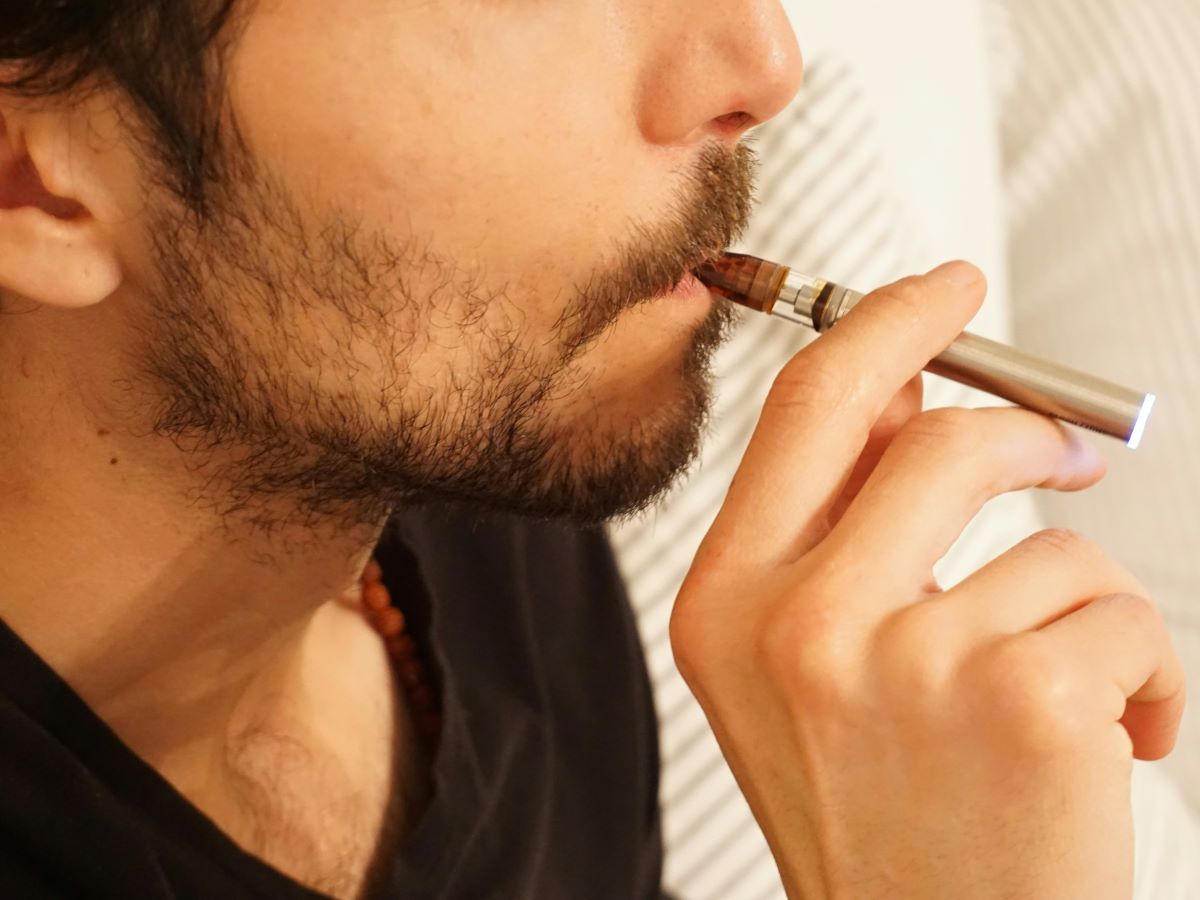
Vapers who dial in temperatures between 170–185°C (338–365°F) typically report the most vivid fruit expression. At these temps, limonene, myrcene, and ocimene volatilize effectively without scorching, preserving top-note brightness. Raising temperatures toward 195–205°C (383–401°F) emphasizes peppery and earthy undertones as caryophyllene and humulene become more pronounced.
In joints and cones, a slow, even burn correlates with a proper cure and balanced humidity near 58–62% RH. White-to-light gray ash usually indicates a clean feed and flush regimen, though ash color can be influenced by multiple variables beyond nutrients. When grown and cured well, the smoke is smooth, with very low throat bite relative to many dessert cultivars.
Edibles and solventless preparations like rosin can carry a candy-tropical flavor that feels nearly confectionary. Live rosin from high-terpene phenotypes showcases a saturated fruit spectrum, especially when pressed from fresh-frozen material. For consumers, the flavor experience often ranks as a highlight, rivaling flagship dessert strains for sheer “wow” factor.
Cannabinoid Profile
Most Tropical Skittles batches test as high-THC, low-CBD flower in line with the broader Zkittlez family. Typical THC percentage ranges from 17–24% by dry weight in commercial flower, with select top-shelf cuts reaching 25–28% under optimized cultivation and post-harvest handling. CBD generally remains below 1.0%, and many samples test in the 0.05–0.5% range.
Minor cannabinoids can make a difference in perceived effect. CBG is commonly detected between 0.1–1.0% in mature flowers, with trace THCV and CBC observed below 0.2% in many tests. The dominant acidic form in fresh flower is THCA, which decarboxylates to THC with heat or time; at standard smoking or vaping temperatures, decarb is essentially complete within seconds to minutes.
The relationship between potency and experience is not linear; terpene synergy and dosing play major roles. Batches with total terpenes above 2.0% often feel more expressive at equivalent THC, likely due to increased aroma-driven engagement and entourage effects. Consumers consistently report that the Z/Skittles family’s calm-yet-focused character can feel gentler than its THC number suggests.
It’s also worth noting that growing conditions can shift the cannabinoid balance. High-intensity lighting, proper VPD management, and late-flower stress minimization tend to preserve THCA and increase resin density at harvest. Post-harvest controls—drying at 60°F/60% RH and curing for 14–28 days—help maintain cannabinoid and terpene integrity, minimizing oxidative losses.
Terpene Profile
Tropical Skittles frequently presents as a limonene–myrcene–caryophyllene triad, with ocimene and linalool as prominent secondary players. In lab-tested batches similar to the Zkittlez family, individual terpene levels commonly range as follows: limonene at 0.2–0.6%, myrcene at 0.3–1.0%, beta-caryophyllene at 0.2–0.5%, ocimene at 0.1–0.3%, and linalool at 0.05–0.2%. Total terpene content often lands between 1.5–3.5%, with exceptional phenotypes exceeding 4% under optimal conditions.
Sour Zkittlez is a useful reference point, as it’s often reported as limonene-dominant, aligning with its lime-and-lemon aroma profile. Watermelon Zkittlez is frequently cited for a citrus-forward bouquet built around limonene with a peppery counterpoint from caryophyllene. Tropical Skittles threads the needle by dialing up softer, juicier tropicals—indicative of myrcene and ocimene supporting limonene’s brightness.
From a functional standpoint, beta-caryophyllene’s unique ability to bind CB2 receptors positions it as a notable terpene for body comfort in the mix. Limonene is commonly associated with mood elevation and stress relief in consumer reports, while linalool contributes floral calm and ocimene adds a green, fruity lift. These roles are not medical claims but help explain the qualitative feel many people describe.
Terpene volatility is an important handling consideration. Monoterpenes like limonene and ocimene evaporate quickly at warm temperatures and low humidity; protecting them requires cool, slow drying and an airtight cure. Growers who keep post-harvest temperatures near 60°F and RH near 60% often report stronger tropical aromatics and better shelf stability.
Experiential Effects
Users commonly describe Tropical Skittles as calm, happy, and clear-headed, aligning with Leafly’s account of The Original Z leaving people focused, alert, and relaxed in the body. A typical inhaled onset emerges within 2–5 minutes, with a plateau arriving by 15–25 minutes and a duration of 2–3 hours depending on dose and user tolerance. The vibe is mellow and layered rather than racy, echoing SeedSupreme’s characterization of a super smooth, uplifting, and enjoyable high.
Early effects lean toward bright mood and sensory enhancement, which many enjoy for music, cooking, or low-stress socializing. As time passes, a tranquil body ease grows without fogging cognition in most users, making it accessible for daytime-to-evening transitions. Watermelon Zkittlez’s reported pattern—initial euphoria followed by deeper relaxation—provides a template that many Tropical Skittles phenotypes seem to follow.
Common side effects mirror the Zkittlez family: dry mouth and dry eyes are frequent, and some users report transient dizziness, particularly at higher doses. Sensitive consumers may experience mild anxiety with rapid, heavy inhalation, especially in unfamiliar settings. Hydration, measured pacing, and a comfortable environment usually mitigate these issues.
Dose-wise, 1–2 inhalations from a standard joint or 2.5–5 mg of THC in an edible are light starting benchmarks for new consumers. Experienced users often find 10–20 mg in edibles or a few fuller inhalations deliver a satisfying balance of mood and body ease. As always, individual responses vary, so a “start low, go slow” approach is prudent.
Potential Medical Uses and Safety Notes
While not a substitute for professional medical advice, Tropical Skittles’ profile suggests several potential wellness applications. Its limonene-forward character is frequently associated with stress relief and mood support in consumer reports, while myrcene’s presence may contribute to relaxation. Beta-caryophyllene’s CB2 activity is of interest for inflammatory and discomfort modulation, though high-quality clinical evidence specific to this cultivar is limited.
Users commonly reach for this chemotype in the late afternoon or evening to ease day-to-day tension without heavy sedation. Anecdotes include support for winding down after work, promoting appetite, and taking the edge off mild aches. For sleep, some individuals report better outcomes when pairing an evening dose with a consistent bedtime routine rather than escalating dose alone.
From a safety perspective, the most frequently reported adverse effects are dry mouth, dry eyes, and occasional dizziness, consistent with Zkittlez family reports. Anxiety can occur at high doses or in sensitive individuals; choosing a calm setting and titrating slowly can help. People with cardiovascular conditions, pregnancy, or on interacting medications should consult a clinician before use.
If inhalation is problematic, vaporizing at lower temperatures or using oral formats can reduce throat and lung irritation. Edibles carry a slower onset (30–120 minutes) and longer duration (4–8 hours), so it’s important to allow time before redosing. Secure storage is essential; keep all cannabis products in child-resistant containers and out of reach of minors and pets.
Comprehensive Cultivation Guide
Difficulty and phenotype stability: Tropical Skittles ranks medium in cultivation complexity. Growers should anticipate pheno variation in height and aroma intensity, as many seed lines are selections from Zkittlez-descended polyhybrids. The path to the most tropical expression is environment-driven—optimal light, VPD, and a patient cure.
Growth habit and cycle timing: Expect 8–9 weeks of flowering (56–63 days) for most phenotypes, with some finishing at day 65 under LED. Vege

