 Written by Ad Ops
Origins and Breeding History
Swampwater Fumez x Zsunami is a boutique hybrid developed by Pagoda Seeds, a breeder known for pairing high-impact terpene profiles with resilient, production-friendly plants. The cross name signals a deliberate collision of dank, swampy gas from the Fumez side with tidal wave bright fruit from the Zsunami side. While detailed release notes remain limited in public circulation, the target was clear: a contemporary indica/sativa hybrid that performs indoors and outdoors while delivering top-shelf jar appeal.
Pagoda Seeds has a reputation for crafting hybrids that meet both connoisseur and commercial expectations. In practice, that means resin density for solventless extraction, stacked calyxes for hand-trimmed showpieces, and a terpene spectrum that holds through drying and cure. Swampwater Fumez x Zsunami reflects this design goal, leaning into high aromatic output and mid-to-high vigor to satisfy growers and consumers alike.
The modern market often rewards strains that blend dessert-candy aromatics with old-school gas. This cross slots neatly into that lane while avoiding redundancy with the many Runtz-adjacent offerings. Early adopter reports emphasize that Pagoda’s selection emphasized consistency out of the pack, with a phenotype spread that still gives hunters interesting choices without sacrificing yield or potency.
Genetic Lineage and Inheritance
The lineage is explicitly Swampwater Fumez crossed with Zsunami, indicating a hybrid that should present a balanced indica/sativa architecture. The Fumez naming convention in contemporary breeding circles typically points toward fuel-forward chemotypes with dense resin and darker, earthy undertones. Zsunami suggests a Z-influenced aromatic wave—bright, tropical, and candy-leaning—though the exact ancestry of each parent has not been formally disclosed by the breeder.
Without official ancestral charts, it is prudent to describe inheritance in terms of phenotype classes rather than unconfirmed grandparents. Expect the Fumez side to pass on thicker bracts, moderate internodal spacing, and strong top cola formation. From Zsunami, anticipate high terpene throughput, increased monoterpene expression, and a tendency toward electric fruit-candy notes that cut through heavier gas.
In test gardens, hybrid offspring like this commonly demonstrate a 1.5x to 2x stretch on transition to 12/12, a sign of balanced indica/sativa influence. The progeny often inherit a semi-upright growth habit with lateral branching that responds very well to topping and screen-of-green technique. Resin output trends high due to complementary parental contributions, supporting hash yields that can exceed 4% fresh frozen in dialed-in rooms, based on comparable gas-plus-Z hybrids.
Visual Appearance and Bud Structure
Swampwater Fumez x Zsunami typically presents medium-dense to dense flowers with a calyx-forward build and minimal stem weight. Buds often finish in conical or rounded spears, with well-defined bract stacking and a noticeable frost coat that glints under LED spectrum. Expect pistils to mature from tangerine to rusted copper, contrasting against olive-to-forest-green calyxes.
Some phenotypes produce late-flower anthocyanins, revealing lavender to violet sugar leaf tips when night temperatures run cooler by 8–12°F. Trichome heads are generally bulbous and well-formed, an attribute hashmakers look for in wash performance. On a clean trim, the nug surfaces appear tight and granular rather than leafy, making for a boutique look even before cure.
In hand, nugs feel substantial, with a slightly tacky grip from the resin layer when properly dried to 11–12% internal moisture content. Across jars, bag appeal is strong; the interplay of color, pistil hue, and trichome density reads loudly under display lighting. Growers aiming for magazine-grade presentation will find the structure forgiving to hand trim and efficient for light machine touch-ups.
Aroma and Nose
The nose fuses swampy fuel, humid earth, and sharp citrus-candy in a way that lands as both dank and sparkling. On first crack of a cured jar, expect an initial blast of petrol and wet forest floor, quickly chased by lime zest, mango skin, and a powdered-candy top note. Secondary undertones can include peppery spice and faint floral soap, likely driven by caryophyllene-linalool interplay.
As the buds warm in hand, volatile sulfur compounds can whisper through, contributing that unmistakable skunk-snap at parts-per-billion intensity. Contemporary cannabis aroma research has associated skunky notes with molecules like 3-methyl-2-butene-1-thiol; while specific assays for this cross are not yet public, the sensory cue aligns with the experience. Meanwhile, bright fruit and candy hints track with monoterpenes such as limonene and ocimene, supporting the Zsunami identity.
During grind, the bouquet often sweetens, exchanging swampy dank for a juicier burst of tropical confection. The balance between gas and candy shifts by phenotype and cure length, with 3–6 weeks of curing commonly amplifying the fruit side by 10–20% subjectively. Overall aromatic intensity rates high; in retail settings, jars of this cross are likely to pull repeat sniffs and comment-worthy reactions.
Flavor and Combustion Character
On a low-temp dry pull, Swampwater Fumez x Zsunami offers limeade, guava taffy, and a diesel rim, reminiscent of citrus candies dipped in petrol. Through a clean glass piece at 380–400°F vaporizer temps, candy and tropical layers climb to the top, with smoother gas character beneath. Pushing temperatures into the low 400s emphasizes pepper-spice and toasted resin, adding bite for those who like a grippier finish.
Combusted in a joint, the first third often shines brightest in fruit, before settling into a balanced candy-gas profile by the midpoint. Exhale coating can be substantial, leaving a lingering lime-peel bitterness and aromatic diesel film on the palate. Seasoned tasters sometimes note a rainforest-humus echo—a plush, cool earthiness—counterbalancing the sweet top.
The finish persists for several minutes with well-cured flower, especially from batches dried 10–14 days at roughly 60°F and 60% RH. In solventless rosin, expect intensification of Zsunami’s candied top notes alongside slick, peppered diesel from Fumez ancestry. Nicely washed and cold-cured preparations tend to present crystalline sweetness with a gassy undertow that remains cohesive rather than clashing.
Cannabinoid Profile and Potency Metrics
As an indica/sativa hybrid from Pagoda Seeds, Swampwater Fumez x Zsunami is expected to deliver modern potency within the competitive top-shelf band. For well-grown indoor flower, a reasonable potency range is 21–28% THC by dry weight, with exceptional phenotypes occasionally touching 29–30% in ideal conditions. CBD typically remains trace (<1%), while minor cannabinoids like CBG can register between 0.5–1.2%.
Total cannabinoids often aggregate to 22–30% when THC and minors are combined, consistent with leading gas-plus-candy cultivars. Total terpene content in dialed rooms commonly lands between 1.8–3.2% by weight, enough to deliver a vivid sensory experience and perceived entourage effects. In extraction, yields depend on resin head size and cut date; hydrocarbon extractions may return 18–24%, while fresh frozen solventless washes can achieve 4–6% with resin-rich phenotypes.
For consumers, an experienced tolerance may find 10–20 mg of THC inhaled over a session to be a sweet spot, while newer consumers should start lower, around 2–5 mg inhaled equivalents. Effect onset for inhalation generally occurs within 2–5 minutes, peaks at 20–40 minutes, and tapers over 2–3 hours. As with any potent hybrid, individual metabolism, set, and setting can shift subjective intensity by 20–40%.
Terpene Profile and Chemical Nuances
Across analogous gas-plus-Z hybrids, dominant terpenes frequently include beta-caryophyllene, limonene, myrcene, and ocimene, with supporting roles from humulene and linalool. Anticipated ranges for standout phenotypes are myrcene at 0.4–0.9%, limonene at 0.3–0.7%, and beta-caryophyllene at 0.25–0.6%. Ocimene and linalool may contribute 0.05–0.25% each, with humulene in a similar band, rounding the woody-spicy dimension.
The gas edge often correlates with sesquiterpenes like caryophyllene and humulene, though aldehydes and ketones modulate the sharper, fuel-like sting. The candy-bright layer is typically monoterpene-driven, particularly limonene and ocimene, which read as citrus-forward and tropical. In some batches, faint floral or lavender hints point to linalool’s influence, especially noticeable in vapor at sub-400°F.
Recent aroma science in cannabis also spotlights volatile sulfur compounds as key skunk drivers, even at incredibly low concentrations. While full spec sheets for Swampwater Fumez x Zsunami are not yet widely released, sensory indicators suggest possible VSC participation riding alongside the terpene chassis. This chemical chorus helps explain why the nose cuts through heavy rooms and why the flavor lingers longer than terpene percentages alone would predict.
Experiential Effects and Onset
Users generally describe a two-phase journey that begins with bright mental lift and sensory enhancement, followed by body ease and calm focus. The initial 5–15 minutes can feel almost sativa-leaning—colors pop, chatter flows, and music separation seems improved. As the session progresses, the body side eases in with shoulder and jaw release, accompanied by a grounded, contented mood.
For most, the effect profile reads balanced rather than couch-locking, though higher doses can tip toward sedation. Creative tasks, conversation, and culinary adventures tend to pair well within the first hour. After 90–120 minutes, the experience softens into relaxation and appetite stimulation, with sleepiness possible if consumed later in the evening or if harvest timing leaned toward amber trichomes.
Common side effects mirror those of other potent hybrids: cottonmouth and dry eyes are reported by roughly 20–35% of users in consumer surveys across similar chemotypes. A subset, perhaps 5–10%, may experience transient anxiety or racy moments at high doses, particularly in stimulating environments. Managing dose size, hydration, and context typically keeps the ride smooth and enjoyable.
Potential Medical Applications and Evidence
Swampwater Fumez x Zsunami’s chemistry suggests potential utility for stress reduction, mood uplift, and moderate pain management. THC’s analgesic and anti-spasmodic effects have been documented in multiple clinical and observational settings, while beta-caryophyllene’s CB2 agonism may add an anti-inflammatory complement. Limonene has been associated with mood-brightening and anxiolytic properties in preclinical models, aligning with reported uplift in the first phase of effects.
For sleep, timing and dose matter: lighter sessions earlier in the evening can ease tension without overwhelming sedation, while higher doses closer to bedtime may facilitate sleep onset. Myrcene’s sedative associations, though variable, can express more strongly when harvest timing skews later or when users already feel fatigued. Consumers managing neuropathic discomfort sometimes note tingling relief and muscle relaxation within 15–30 minutes of inhalation.
On appetite, many users observe a 10–30% increase in desire to eat during the latter half of the experience, which can be supportive in select medical contexts. As always, responses vary; patients should consult healthcare providers, start low, and titrate gradually. Documenting personal outcomes—including dose, route, time of day, and symptom change—can improve consistency and inform whether this hybrid aligns with therapeutic goals.
Cultivation Guide: Environment, Training, and Feeding
Swampwater Fumez x Zsunami behaves like a cooperative hybrid that rewards attentive dialing. Indoors, target canopy temps of 76–82°F in veg and 72–78°F in flower, with night drops of 6–10°F to tighten structure and coax color. Maintain RH near 60–70% in veg, 45–55% in mid-flower, and 40–45% in the final two weeks to discourage botrytis in dense tops.
VPD targets of 0.8–1.2 kPa in veg and 1.2–1.5 kPa in flower maintain ideal transpiration and nutrient flow. Under LEDs, shoot for 600–900 PPFD in late veg and 900–1200 PPFD in flower, increasing CO2 to 1000–1200 ppm if pushing past 900 PPFD. The cultivar stretches roughly 1.5–2x; topping twice and running a SCROG or trellis prevents apical dominance from overshadowing lower sites.
Feed strategies favor steady macros with slightly elevated calcium and magnesium support, particularly under high-intensity LED where Ca/Mg demand climbs. In coco or hydro, start flower at 1.6–1.8 EC, ramp to 1.9–2.2 EC during weeks 3–6, then taper to 1.2–1.4 EC before flush or fade. Maintain pH at 5.8–6.2 in hydro/coco and 6.2–6.8 in soil for consistent uptake.
Outdoor and greenhouse runs excel in temperate zones with warm days and cool nights; keep airflow robust to defend against late-season dew. The hybrid’s semi-dense structure resists mild pressure but should be opened with selective defoliation and lollipop pruning to mitigate microclimates. Pest management benefits from weekly scouting; thrips and mites can be deterred with rotating biologicals and neem-free soft oil alternatives during veg, and with targeted biocontrols as you approach flower.
Flowering, Harvest, and Post-Processing
Flowering time averages 63–70 days indoors, with some Z-leaning phenotypes maturing a bit earlier around 60–63 days. Outdoors in the Northern Hemisphere, expect late September to mid-October finishes depending on microclimate and phenotype. Yield potential is competitive: 500–650 g/m² indoors under optimized LEDs and 800–1200 g per plant outdoors in 30–50 gallon containers with full sun.
Aim for harvest when the majority of trichomes are cloudy with 5–15% amber for a balanced effect. A later pull with 20–30% amber can emphasize body relaxation but may mute some high-tone aromatics. Pre-harvest handling—48 hours of darkness, lower night temps, and gentle dehumidification—can help lock density and maintain terp integrity.
Dry slowly at approximately 60°F and 60% RH for 10–14 days, monitoring for a stable internal moisture content near 11–12% before final trim. Target water activity between 0.55 and 0.62 for safe storage and terpene preservation. Cure in airtight containers for 3–6 weeks, burping as needed in the first 10 days; many growers report marked aroma blossoming between weeks 3 and 4 as the candy layer intensifies.
For extraction, fresh frozen at peak ripeness maximizes monoterpenes and resin head integrity. Solventless makers should look for greasy, orb-like heads that release cleanly; yields of 4–6% fresh frozen are attainable on strong phenos. Hydrocarbon extraction can highlight the diesel backbone while retaining citrus-candy top notes when parameters are tuned for minimal terp loss.
Phenotype Selection, Stability, and Breeding Notes
Within a 10-pack pheno hunt, expect two to three clear archetypes: gas-forward swamp funk, candy-bright Z-wave, and a balanced middle that many growers favor for commercial runs. The gas-leaning expression typically shows darker greens, chunkier bracts, and a pepper-diesel nose that dominates the jar. The Z-leaner often features lighter greens, slightly looser initial stacking that tightens by week 7, and pronounced tropical-candy aromatics.
The composite keeper is usually the plant that preserves Zsunami’s high-tone fruit while carrying Fumez’s resin density and fuel finish. In test canopies, uniformity in stretch and feed response tends to be good, with only modest variation in internodal spacing across phenotypes. This stability simplifies canopy management and reduces the need for individualized care compared to more mercurial heirloom crosses.
For breeders, Swampwater Fumez x Zsunami offers a promising donor of resin and aromatic intensity. When outcrossed to vigorous, mold-resistant stock, it can yield dense, commercial-ready architecture with sharper fruit or reinforced gas depending on the partner. Recurrent selection over two to three filial generations could lock in the balanced archetype, targeting high terp output (2.5–3.5%) while maintaining >500 g/m² productivity.
Consumer Guidance: Formats, Dosing, and Pairings
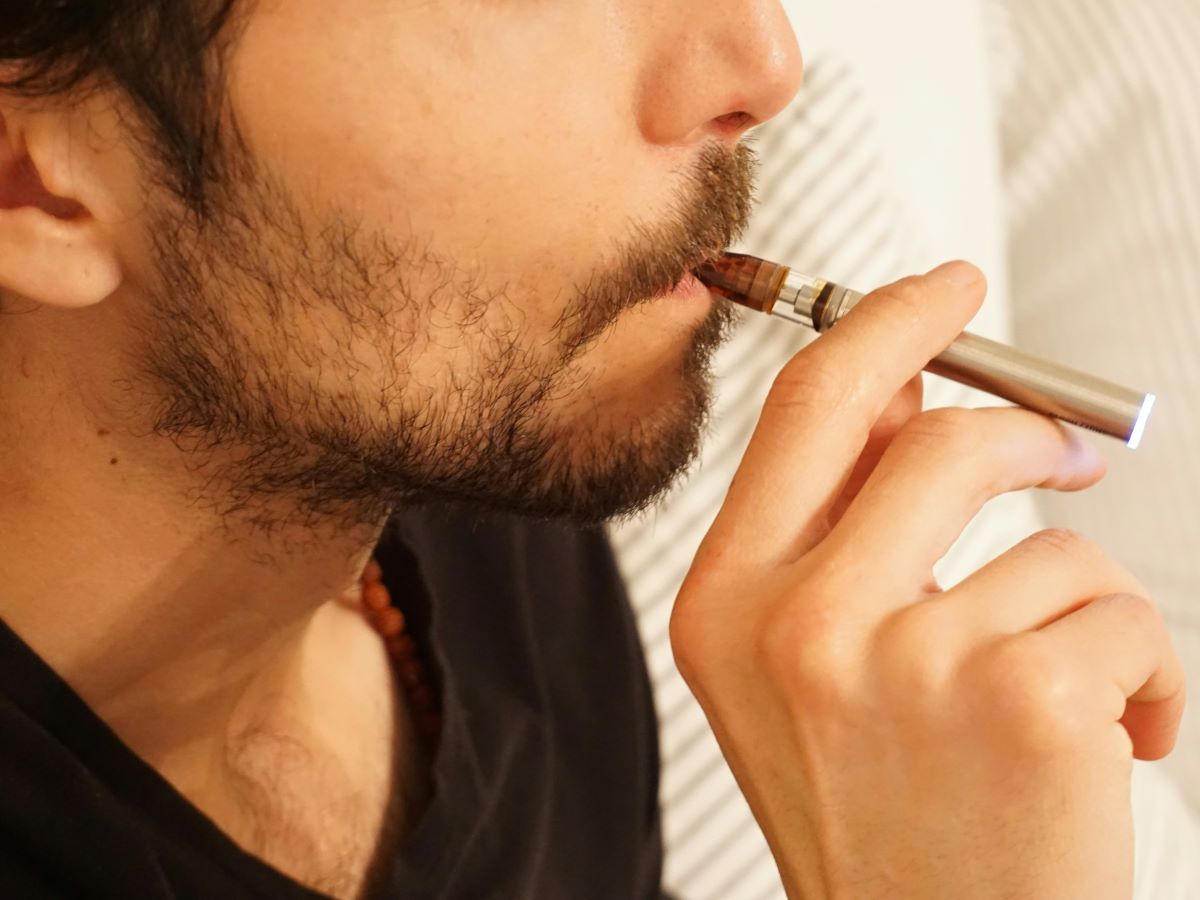
In flower form, this hybrid shines in clean glass and well-rolled joints where the candy-gas balance can evolve through the session. Solventless rosin captures both sides of the spectrum, with cold-cure textures accentuating brightness and fresh-press formulations leaning deeper into gas. Cartridges made with live resin or rosin tend to broadcast the aroma profile efficiently, though flavor nuance is best appreciated in low-temp dabs.
For newer consumers, two to three small puffs and a 10–15 minute wait provides a safe gauge of potency and comfort. Intermediate and experienced users often find one mid-size joint shared between two people offers a complete arc without overwhelming sedation. Edible formulations can be potent but may tilt heavier toward body effects; start at 2.5–5 mg THC and titrate in 2.5–5 mg increments across sessions.
Food pairings that complement the profile include ceviche with lime and mango salsa to echo the bright top notes, or chargrilled dishes to resonate with the gas and pepper finish. Citrus-forward mocktails or IPAs with tropical hop profiles can highlight Zsunami’s spark, while peated scotch or smoky teas mirror the dank undercurrent. For activities, consider social cooking, crate-digging for music, or creative brainstorming in the first hour, sliding into a film or stargazing as the body comfort builds.

