 Written by Ad Ops
Origins, Naming, and Market Context
Strawberry Mango is a fruit-forward cultivar name that has surfaced across multiple markets and breeder catalogs, often as a phenotype or house cut rather than a single, universally stabilized variety. The name signals a clear sensory promise: strawberry brightness layered over tropical mango depth. In consumer forums and menus, you will also encounter related labels like Strawberry Mango Haze or Strawberry Mango Gelato, indicating that different breeders have paired similar flavor lines to reach comparable aromatic outcomes.
In the broader cannabis landscape, fruit-driven profiles have been a consistent crowd favorite. Leafly’s regularly updated lists of standout strains emphasize effect-driven groupings, and fruit bombs routinely populate the “uplifting” and “creative” categories that consumers seek out. Even when a specific cultivar like Strawberry Mango is not singled out in top-100 lists, its flavor archetype fits the trend of tropical and berry-forward varieties dominating search interest and sales cycles.
Major breeders also spotlight intensely fruity autoflower options, reflecting sustained demand for tropical-terpene expressions. Dutch Passion’s roundups of fruitiest autoflower varieties highlight profiles described as intensely sweet with acidic, tropical notes, a sensory lane where Strawberry Mango naturally belongs. That consistency of marketing language suggests both breeders and buyers align on what “strawberry-mango” should smell and taste like: bright, juicy, and dessert-adjacent.
The allure of strawberry and mango together is not accidental—it mirrors cross-category flavor appeal in beverages and confectionery. Cannabis branding increasingly borrows from culinary and craft beverage lexicons to set consumer expectations. Strawberry Mango’s name is thus both a sensory descriptor and a positioning tool in a crowded shelf set, helping retailers and budtenders communicate what’s in the jar in a single, memorable phrase.
Genetic Lineage Theories and Breeder Notes
Because multiple breeders have released Strawberry Mango cuts, there is no canonical lineage, but several plausible frameworks recur. One common theory pairs a strawberry-forward parent (e.g., a Strawberry Kush or Strawberry Cough-type) with a mango-leaning line (e.g., Mango, Mango Kush, or a Green Crack/Mango phenotype sometimes called Mango Crack). This approach capitalizes on complementary terpene families—sweet berry esters and tropical monoterpenes—known to layer harmoniously.
Another approach folds haze genetics into the mix to intensify the high and extend the flavor through a long, zesty finish. Strawberry Mango Haze entries reported in seed catalogs often highlight extended flowering windows and a more electric, daytime-leaning effect set. That mirrors the wake-and-bake appeal of other mango-associated cultivars; CannaConnection notes that variants like Mango Crack (also known as Green Crush/Green Crack in some circles) frequently test in the 15–25% THC range with exotic terpene bouquets.
Breeder notes for strawberry-family cultivars often cite limonene, linalool, and myrcene as key aromatic drivers—a trio also highlighted by CBD Strawberry Kush strain profiles. This alignment makes sense chemically: limonene contributes the candied citrus top note, linalool adds a floral creaminess, and myrcene deepens the tropical body associated with mango. When combined with pinene- or ocimene-forward backgrounds, the result is the punchy, fruit-salad aroma consumers associate with Strawberry Mango.
Because the name is phenotype-driven in many markets, expect variability in structure, vigor, and even high. Savvy buyers should treat “Strawberry Mango” as a flavor lane rather than a single, fixed chemotype, and rely on batch-specific Certificates of Analysis (COAs) when potency or minors matter. This is especially important in modern markets where two jars bearing the same name can diverge meaningfully in THC, terpenes, and experiential effects.
Bud Structure and Visual Appearance
Strawberry Mango typically presents medium-dense, conical flowers with pronounced calyx stacking and visible pistil sprays that can range from apricot to tangerine. Growers often report a moderate leaf-to-calyx ratio in the finished trim, yielding a polished, photogenic nug. Trichome coverage is usually abundant, with a frosty sheen that signals high resin content even before the first grind.
Coloration tends to stay in the vibrant lime-to-forest green spectrum, sometimes accented by rose-tinted pistils that nod to its strawberry moniker. Under cooler late-season conditions or with certain phenotypes, faint lavender hues can appear at the tips of sugar leaves, though this is not universal. Sugar-leaf dusting can be heavy in resin-rich expressions, an aesthetic cue associated with vigorous terpene production.
When broken open, inner calyxes often glimmer with intact gland heads, a good sign for concentrate makers seeking clean, flavorful extractions. While bud size varies by phenotype and cultivation style, the more haze-influenced cuts may run narrower and more feathery, whereas indica-leaning cuts bulk up into chunkier, cola-dominant formations. Across phenotypes, the unifying trait is a juicy, fruit-candy visual cue that pairs with the aroma to deliver on the name.
Aroma: From Jar Pop to Grind
On the first jar pop, Strawberry Mango usually throws a blast of sweet, tropical fruit—think ripe mango flesh dusted with strawberry sugar. Many users describe a tangy, slightly acidic undercurrent that keeps the sweetness from feeling cloying. That balance is consistent with Dutch Passion’s description of top-tier fruity autos: intensely sweet yet framed by bright, tropical acidity.
Post-grind, the aroma deepens, often revealing a backbone of myrcene and ocimene that evokes mango nectar, guava, and even passionfruit. Strawberry esters may evolve toward a ‘strawberry jam’ note, while limonene lifts the bouquet into a more candy-like space. Linalool and nerolidol, if present in the background, add a creamy, almost yogurt-like smoothness that rounds the sharper edges.
Some batches lean slightly herbal or green on the nose, hinting at pinene and terpinolene. In those cases, the fruit profile can read more like a tropical fruit salad with fresh-cut pine or basil in the background. This herbal inflection is prized by some for its “fresh” character and can contribute to the clear-headed, daytime reputation often attached to the name.
Curiously, several unrelated cultivars have been described by reviewers as “strawberry mango smoothie.” Leafly user notes for Pure Love, for instance, highlight a sweet, smoothie-like nose reminiscent of strawberry and mango blended together. This recurrent analogy across different genetics underscores how distinctive and memorable the strawberry-mango aromatic pairing is in cannabis terpenes.
Flavor: Inhale, Exhale, and Finish
Strawberry Mango’s flavor typically tracks the nose closely, delivering candied strawberry up front with a syrupy mango mid-palate. On the inhale, limonene and estery sweetness drive a playful, almost confectionery impression. The exhale often blooms into richer tropical notes, with myrcene’s musky weight providing the mango “flesh” sensation.
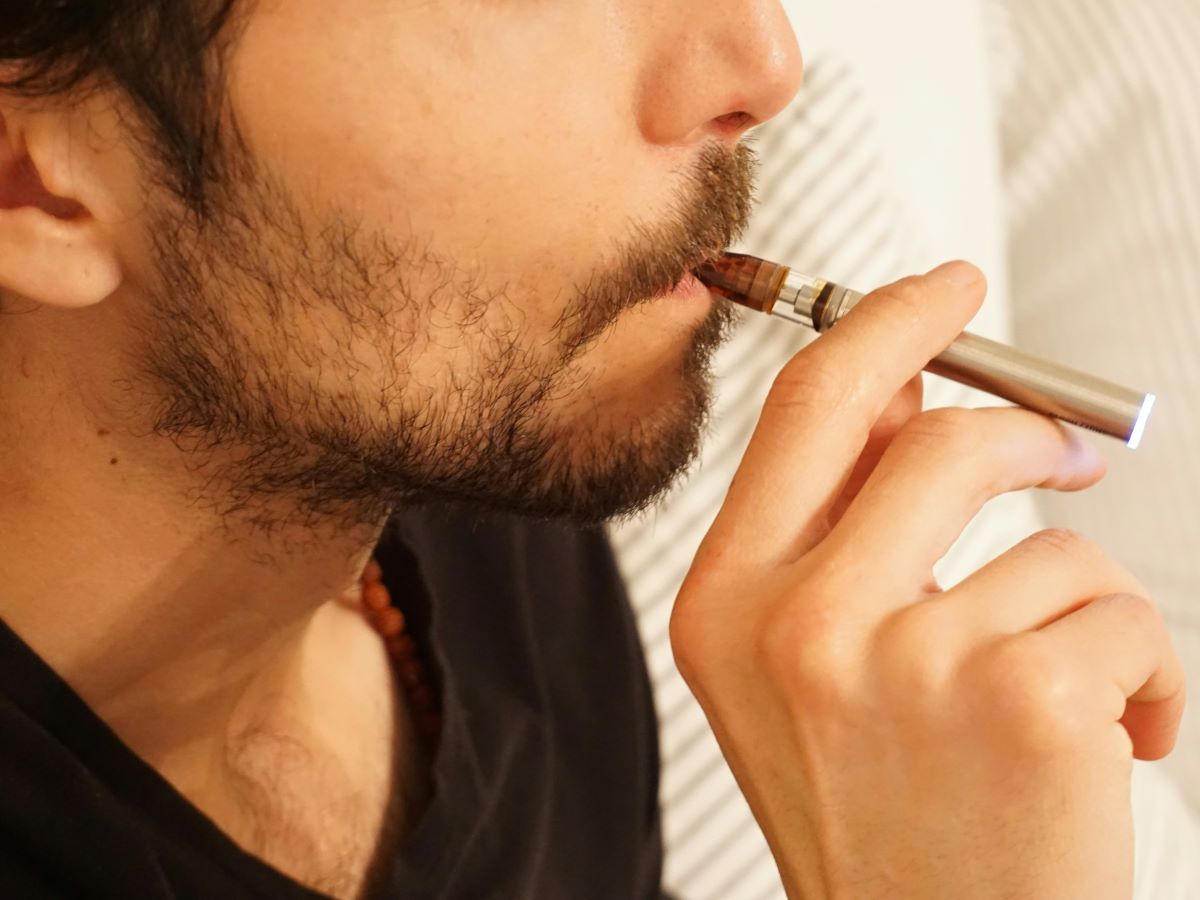
In vapor form, many report a cleaner translation of the fruit spectrum with less bite and a longer, sweeter tail. Combustion can introduce a light peppery tingle, suggestive of beta-caryophyllene, and a fleeting herbal sparkle if pinene or terpinolene are present. Aftertaste frequently skews to strawberry cream or mango yogurt, a soft, dessert-like fade that encourages repeat puffs.
Heavier, haze-influenced cuts may inject a lemon-zest or lemongrass finish that refreshes the palate. Conversely, indica-leaning expressions can emphasize a thicker, nectar-like mouthfeel, almost like a mango lassi tone. Across phenotypes, the through line is an unmistakable fruit-forward identity that few other profiles mimic so directly.
Cannabinoid Profile and Potency Analytics
Because Strawberry Mango is a label used by more than one breeder, cannabinoid numbers vary meaningfully by batch and grower practices. In regulated markets, well-cultivated fruit-forward flower commonly lands in the 18–24% total THC range, with some outliers above or below. Industry audits from 2020–2024 regularly place the median retail flower potency around the high-teens to low-20s, reflecting consumer and breeder emphasis on high-THC chemovars.
It is also common for strawberry- and mango-labeled cultivars to express low measured CBD, often below 1%. Minor cannabinoids like CBG and CBC typically register in the 0.1–0.8% combined range, though select phenotypes can deviate. The functional impact of these minors, while still under study, likely contributes to perceived smoothness, mood elevation, or clarity in some users.
Some catalogs promote ceiling potencies approaching 28% THC for select indica lines, reinforcing that modern genetics can reach very high THC under ideal conditions. Seedsman’s promotional materials, for example, reference strains capable of 18–28% THC, although such numbers are best treated as top-end potential rather than expectations. Real-world flower often tests lower due to environmental, harvest, and curing variables that blunt theoretical maxima.
When evaluating a Strawberry Mango batch, rely on current COAs and look beyond a single THC percentage. Total terpene content—which frequently ranges from 1.0% to 3.0% by weight in quality retail flower—correlates strongly with flavor intensity and perceived “effect richness.” Many experienced buyers prioritize terpene totals and balance over small differences in THC that may not translate linearly to stronger experiences.
Dominant Terpenes and Minor Aromatics
Strawberry Mango’s terpene core commonly features myrcene, limonene, and either ocimene or terpinolene as major players. Myrcene often shows up between roughly 0.3% and 1.0% by weight in top-shelf flower, delivering the mango-like tropical heft. Limonene, frequently in the 0.2%–0.8% band, provides the bright, sweet-citrus lift that reads as strawberry candy to many palates.
Ocimene’s presence contributes nectar-like sweetness and a hint of green freshness, while terpinolene can add a piney, citrus-zest sparkle associated with daytime clarity. Beta-caryophyllene appears in many batches at 0.1%–0.5%, lending a gentle peppery bite on combustion and possible CB2 receptor interaction. Pinene is a common supporting terpene, potentially sharpening focus and bolstering the “fresh cut” aspect of the bouquet.
Linalool, though not always dominant, can play an outsized role in how “creamy” or “soft” the strawberry side feels. This terpene is emphasized in some strawberry-branded cultivars, as seen in CBD Strawberry Kush profiles where linalool sits alongside limonene and myrcene. The trio suggests a path by which Strawberry Mango phenotypes can achieve their smoothie-like sweetness without becoming cloying.
Total terpene content influences both aroma intensity and experiential character. Many consumers report that batches testing above 2.0% total terpenes feel subjectively richer and more “complete,” even at identical THC levels. Given the blending trend highlighted by Dutch Passion—combining different terpene spectrums to enhance flavor and effects—Strawberry Mango’s compatibility with citrus, diesel, or floral partners makes it a prime candidate for tailored, terpene-layered sessions.
Experiential Effects, Onset, and Duration
User reports for Strawberry Mango consistently point to mood elevation, sensory brightness, and a creative tilt, especially in limonene- and terpinolene-forward batches. Many describe a clear-headed onset that arrives within minutes when inhaled, with a warm, motivational push suitable for socializing or light, focused tasks. In this way, it shares a functional lane with other “wake-and-bake” style cultivars tied to mango-like terpene arrays.
Onset for inhalation typically occurs within 2–10 minutes, peaking at around 20–40 minutes, with primary effects tapering over 2–3 hours for many users. Edible or drinkable versions infused with Strawberry Mango terpenes will shift timing considerably, with onset usually in the 45–120 minute range and duration stretching 4–8 hours. As with all cannabis, individual metabolism, tolerance, and set/setting shape this experience profoundly.
The body feel varies by phenotype. Indica-leaning expressions can introduce a calm, tranquil base that softens the heady euphoria without tipping into couchlock for moderate doses. Haze-influenced cuts may feel more effervescent and kinetic, trading body weight for mental sparkle and a longer, zesty finish.
Potential side effects align with common cannabis outcomes and include dry mouth, dry eyes, and, at higher doses, intermittent anxiety or racing thoughts. Users sensitive to limonene/terpinolene-driven profiles should start low and titrate slowly to assess comfort. Hydration, a light snack, and a calm environment can reduce the incidence of jittery edges in those prone to them.
Potential Medical Applications and Risk Profile
While formal clinical trials on a specific Strawberry Mango chemotype are lacking, its typical terpene and cannabinoid outlines suggest several potential use cases. Uplifting, fruit-forward profiles with moderate-to-high THC are frequently chosen by patients for low-mood days, situational stress, and creative tasks requiring a positive headspace. Limonene and pinene have been associated in preclinical literature with mood and alertness modulation, though translating those findings to human cannabis use remains an active research area.
For patients managing discomfort, the presence of beta-caryophyllene and myrcene may provide complementary support. Beta-caryophyllene is unique among common cannabis terpenes for its CB2 receptor activity, potentially relevant for inflammatory pathways. Myrcene has been discussed in the context of relaxation and perceived muscle ease, though dosage, context, and the presence of other terpenes and cannabinoids matter immensely.
Those with anxiety histories should approach carefully, as higher-THC, limonene- or terpinolene-forward profiles can occasionally feel racy. Starting with small inhaled doses or ratio products that add CBD may provide a gentler ramp. Individuals susceptible to migraine triggers from strong perfumes or citrus-like terpenes should test a microdose first to ensure the aroma profile sits well with them.
As always, medical use should be guided by a healthcare professional, particularly if you take prescription medications or have cardiovascular, psychiatric, or respiratory conditions. Label accuracy can vary, so insist on recent COAs from licensed labs whenever possible. Consider journaling dose, timing, and effects to build a personalized dataset for what works and what does not.
Cultivation Considerations and Legal Notice
Important legal and safety notice: Cultivation laws for cannabis vary widely by country, state, and municipality. Nothing here is intended to instruct on or encourage illegal cultivation. If you are in a jurisdiction where home growing is lawful, follow all local regulations, security requirements, and plant count limits, and consult official agricultural extension resources where available.
At a high level, Strawberry Mango expressions tend to reflect their underlying genetics: strawberry-leaning parents often bring fragrant, resinous flowers, while mango-leaning lines can add vigor and a robust terpene backbone. Some breeder releases appear as photoperiods while others are offered as autoflowers, so growth patterns, timing, and training tolerance differ. If you are selecting seeds or clones legally, review breeder datasheets for growth habits, disease resistance notes, and any warnings about height or stretch.
Fruit-forward varieties frequently benefit from careful environmental stewardship to preserve volatile aromatics

