 Written by Ad Ops
What Is the Splash Strain?
Splash is a contemporary, boutique cannabis cultivar known for its bright, fruit-forward bouquet and a balanced hybrid effect profile that toggles smoothly between mood elevation and physical ease. The name hints at its sensory identity: a burst of citrus, tropical candy, and creamy sweetness that lands like a splash of flavor on the palate. Growers and consumers alike place Splash in the "modern dessert" family of genetics, with bag appeal and resin production that cater to top-shelf expectations.
In adult-use markets, Splash shows up most often as small-batch indoor flower or solventless rosin runs where its terpene density translates into standout flavor. The strain has a reputation for dense, trichome-frosted flowers that cure to a sticky, aromatic finish. In functional terms, many enthusiasts consider Splash a versatile day-to-evening option, suitable for social settings, creative tasks, or a relaxed unwind at home.
Because its commercial footprint is still maturing, Splash can vary by cultivator and cut, with recognizable but slightly different phenotypes. That variability is typical of newer hybrids before a single clone becomes the consensus market standard. Despite that, the throughline across most verified cuts is a citrus-candy nose, medium-to-high potency, and a clean euphoric arc that resists couchlock at moderate doses.
History and Emergence
Splash appears to have emerged in the late 2010s to early 2020s across West Coast craft circles, alongside other fruit-forward, dessert-influenced hybrids. During this period, breeders were actively recombining Gelato-, Sherbet-, Zkittlez-, and Gushers-family lines to intensify sweet terpene chemistry while maintaining high THCA. Splash fits neatly into that movement, matching consumer demand for loud aroma, colorful flowers, and resin-rich yields tailored to premium concentrates.
As is common with boutique releases, early batches circulated through clone swaps, invitation-only drops, and limited menu placements. That mode of distribution helps strains gain mystique, but it also leads to multiple phenotypes being marketed under the same name. Early adopters reported consistent fruit-candy and citrus notes, suggesting a genetic backbone aligned with Zkittlez/Gushers/Sherb chemistry.
By the early 2020s, Splash began showing up in test menus for solventless makers and micro-grows seeking reliable bag appeal. Reviews frequently emphasized bright, zesty terpenes, which tend to survive mechanical separation techniques used for hash and rosin. This traction in the concentrate community is a strong indicator that Splash carries terpene totals at or above the 1.5–2.5% range typical of top-tier indoor flower.
Genetic Lineage and Phenotypes
The exact parentage of Splash is not universally standardized in public sources, a situation that is increasingly common for small-batch, modern hybrids. However, the consensus from cultivators who’ve run the cut is that it expresses traits associated with Sherbet/Gelato and Zkittlez/Gushers families. Those families are well-known for candy-like limonene–myrcene–caryophyllene dominance and visually striking anthocyanin expression under cool nights.
Two phenotype clusters tend to appear in grows labeled Splash. One leans citrus-tropical with higher limonene and ocimene expression, lighter green calyxes, and a faster finishing time. The other trends toward creamy-berry dessert notes with stronger linalool and caryophyllene, deeper purpling late in flower, and slightly denser nug structure.
From a breeding logic standpoint, such variation suggests the cultivar may have originated from a recombination or selection involving a fruity, candy-forward parent and a dessert-cream parent. The fruit-forward line imparts zest and tartness, while the dessert-cream contributes smoothness and depth on exhale. Both clusters commonly preserve high resin gland density, reinforcing Splash’s suitability for solventless extraction.
Appearance and Bud Structure
Splash flowers are compact and dense, frequently described as golf-ball to hand-grenade sized on well-managed branches. Calyxes stack tightly, yielding a high calyx-to-leaf ratio that makes trim work efficient and visually clean. The base color ranges from lime to forest green, with purple flecking or banding emerging under cooler late-flower nights.
Pistils present in saturated orange to rust tones and are moderately long, creating a photogenic contrast against the frosty trichome layer. Properly grown batches shimmer with a thick coat of capitate-stalked glands that give the buds a glassy, sugar-dusted look. Under magnification, gland heads typically appear large and fragile, which is ideal for ice water hash production.
After a careful slow-dry and cure, Splash retains a slightly tacky resin feel at 10–12% moisture content by weight, which helps preserve terpenes. The cure tends to deepen the color contrast and condense the aroma into a layered citrus-candy signature. Finished buds frequently weigh heavy for their size due to density, a trait favored by both retailers and consumers.
Aroma and Scent Notes
The dominant aromatic impression of Splash is a layered citrus-candy bouquet, often described as zesty and juicy rather than sharp or piney. Top notes typically include lemon-lime, sweet orange, and tropical hints akin to mango or pineapple. A secondary layer can read as creamy berry or sherbet, softening the brightness with a round, dessert-like finish.
Under a light grind, the perfume intensifies, with some cuts revealing a faint herbal-cool nuance suggestive of ocimene or a touch of menthol-like freshness. The grind also unlocks a peppery tail that aligns with beta-caryophyllene and humulene. This peppery underpinning adds structure to the sweetness and helps the aroma remain engaging session after session.
Anecdotally, sealed jars of Splash can perfume a small room within minutes after opening, a hallmark of terpene-rich, premium indoor. Strong aroma throw often correlates with total terpene content above 1.8% by dry weight. For consumers who prize flavor above all else, the intensity and clarity of Splash’s nose is a major selling point.
Flavor Profile and Consumption Characteristics
Splash tends to taste like it smells: bright, juicy citrus and candy-forward on the inhale, with a creamy-berry aftertaste that lingers. At low-temperature vaporization settings (180–190°C), the fruit top notes dominate and remain stable across multiple pulls. As temperatures increase or when combusted, the flavor deepens into sweeter sherbet and light spice, indicating linalool and caryophyllene contributions.
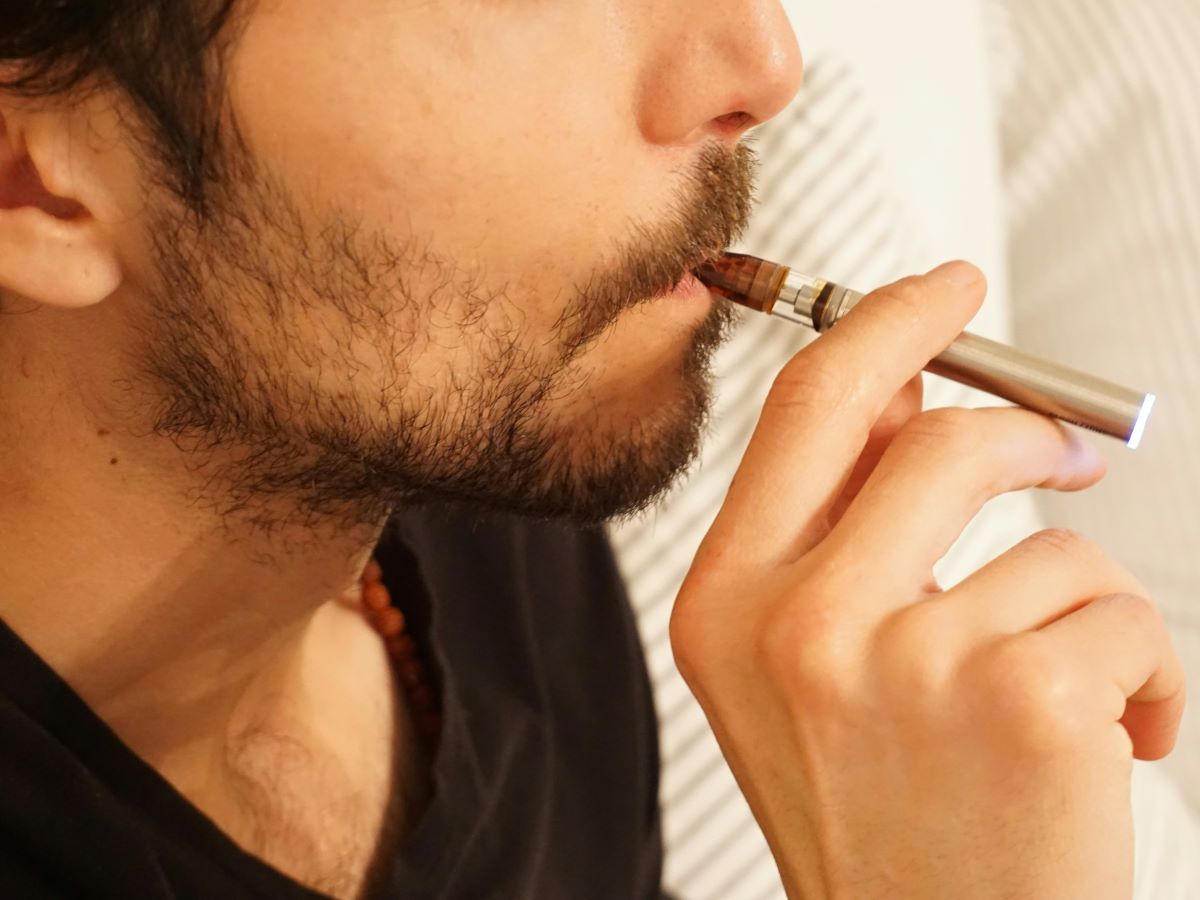
In joints or glass, the smoke is typically smooth when the flower has been properly flushed and cured, with minimal throat bite. Vaporizer users often report clean, terp-rich puffs for 6–10 draws before the flavor tapers, which is strong performance for a hybrid. The finish tends to be sticky-lipped and sweet, leaving a candy-citrus echo on the palate.
For edible infusions, Splash’s bright citrus character can come through mildly in butter or coconut oil if decarbed at conservative temperatures. A decarb protocol of 110–115°C (230–240°F) for 40–45 minutes can preserve more monoterpenes than hotter, longer runs. Pairing infusions with lemon, vanilla, or berry flavors complements Splash’s natural profile and masks any botanical notes.
Cannabinoid Profile and Potency
Splash is generally a high-THCA hybrid, with well-grown indoor flower commonly testing between 20–27% THCA by weight. Some exceptional batches may crest 28–30% THCA, though most marketplace samples cluster around the 22–26% band. Delta-9 THC measured in cured flower typically sits between 0.3–1.0% prior to decarboxylation, depending on drying and storage conditions.
CBD is usually minimal, frequently below 0.5%, placing Splash squarely in the THC-dominant category. Minor cannabinoids, while variable, often show measurable CBGa in the 0.4–1.2% range and CBC at 0.1–0.4%. Trace THCV may appear at 0.05–0.2%, which is not enough for pronounced appetite-modulating effects but may subtly influence the psychoactive arc.
After decarboxylation, effective THC is calculated as THCA × 0.877 + Δ9-THC, yielding post-decarb potency that often lands in the 19–24% total THC range for typical Splash flower. When infused into oils at standard extraction efficiencies of 60–80%, finished products can provide robust potency even at modest dose volumes. Consumers should calibrate doses carefully, as high-THC, terpene-rich products can feel stronger than their milligram numbers suggest.
Terpene Profile and Measured Abundance
Splash’s terpene composition is consistent with candy-citrus hybrids: a limonene–myrcene–caryophyllene triad commonly leads, with supporting roles from linalool, ocimene, and humulene. In high-quality indoor, total terpene content often measures between 1.8–3.0% by dry weight, placing Splash in the upper tier for aroma intensity. This level of terpene abundance aligns with the pronounced jar appeal reported by consumers.
Typical ranges observed for individual terpenes are as follows, with natural variability by phenotype and cultivation method. Limonene: 0.3–0.8%; beta-myrcene: 0.4–0.9%; beta-caryophyllene: 0.3–0.7%. Secondary contributors include linalool: 0.10–0.25%; ocimene: 0.05–0.20%; humulene: 0.08–0.20%; plus trace pinene and nerolidol under 0.1% each.
This profile creates an organoleptic experience that is both bright and grounded: limonene supplies citrus lift, myrcene adds juiciness and body, and caryophyllene provides peppery depth. Linalool and ocimene round out the candy-sherbet character, enhancing the creamy and tropical facets. For solventless makers, a robust limonene–myrcene backbone often translates into flavorful rosin with yields in the 3–5% return range from fresh-frozen material, conditions permitting.
Experiential Effects and Onset Timeline
Most users characterize Splash as an upbeat, clear-headed hybrid with a tactile relaxation that settles in without heavy sedation at moderate doses. The initial onset after inhalation typically occurs within 2–5 minutes, bringing a noticeable lift in mood and sensory brightness. As the experience matures, a gentle body comfort develops, smoothing muscle tension while maintaining mental engagement.
Peak effects commonly arrive around 30–60 minutes post-consumption, with a plateau that can extend another 45–90 minutes depending on tolerance and dose. The full duration for inhaled routes often spans 2–3 hours before tapering into a neutral afterglow. Edible preparations extend both onset and duration, with effects building over 45–120 minutes and lasting 4–6 hours or more.
Adverse effects, while typically mild, may include dry mouth, dry eyes, and transient orthostatic lightheadedness when standing quickly. A minority of users, especially those sensitive to limonene-forward profiles, may experience brief anxiety or racy heart rate at high doses. Pacing intake, hydrating, and pairing with a calming activity help minimize these effects while preserving Splash’s euphoric upside.
Potential Medical Uses and Rationale
Although clinical trials specific to Splash do not exist, its chemotype suggests several plausible symptom targets. Limonene-rich, THC-dominant hybrids commonly support mood elevation and stress relief, aligning with user reports of reduced worry and increased sociability. The caryophyllene component, which interacts with CB2 receptors, may contribute to perceived reductions in inflammatory discomfort.
Patients managing neuropathic or musculoskeletal pain sometimes prefer strains like Splash for daytime use due to the balance of uplift and body comfort. The myrcene content can deepen physical relaxation without necessarily impairing focus at modest doses. For sleep, increased dosing later in the evening can tip Splash’s effects toward sedation, especially in phenotypes with higher linalool.
Practical dosing strategies for medical users often begin at 2.5–5 mg THC equivalents for edibles or 1–2 inhalations for flower, gradually titrating upward. For anxiety-prone individuals, pairing Splash with CBD in a 1:2 or 1:4 CBD:THC ratio may soften peaks while preserving benefit. As with all cannabis use for health purposes, symptom tracking and clinician consultation lead to more consistent outcomes.
Cultivation Guide: Getting Started
Splash grows as a vigorous, medium-stretch hybrid well-suited to indoor controlled environments and protected outdoor sites. Most cuts show a 1.5–2.0× stretch in the first three weeks of flower, which pairs neatly with SCROG or light trellising. Internodal spacing is moderate, allowing good light penetration when defoliation is timed correctly.
Expect an indoor flowering window of 8–9 weeks for the citrus-forward phenotypes and up to 9.5 weeks for dessert-leaning expressions. Outdoors in temperate zones, harvest typically lands in early to mid-October, assuming adequate mold prevention. With proper training and nutrition, yields in the 400–550 g/m² range are common, and expert growers can push 600–700 g/m² without sacrificing quality.
For hash-focused cultivators, Splash can be productive in fresh-frozen runs when harvested at peak ripeness and cold-shocked pre-chop. The cultivar’s resin head integrity and size are conducive to washability, though actual return percentages depend on phenotype and environmental controls. If your goal is solventless, prioritize phenos that exhibit sandy, easily detaching gland heads under a 60× loupe.
Cultivation Guide: Environment, Lighting, and Climate
Splash thrives in a slightly warm, moderately dry environment that protects against late-flower botrytis. Target daytime temperatures of 24–28°C (75–82°F) in flower with nights at 18–22°C (64–72°F). Managing a diurnal swing of 4–6°C encourages color expression without sacrificing resin output.
Relative humidity should track 60–70% in late veg, 50–55% in early flower, and 40–45% in late flower to prevent powdery mildew. Vapor pressure deficit (VPD) in flower is well-balanced at 1.1–1.4 kPa, supporting transpiration without undue stress. Strong, oscillating airflow at multiple canopy levels is essential to keep Splash’s dense flowers dry and cool.
Lighting needs align with other premium hybrids: in flower, 800–1000 µmol/m²/s PPFD during peak weeks supports dense bud set and resin production. A daily light integral (DLI) of 35–45 mol/m²/day is effective indoors; outdoors, full sun and good airflow maximize terpene synthesis. If using CO₂ supplementation (800–1200 ppm), ensure enough light and nutrition to make use of the added carbon.
Cultivation Guide: Nutrition, pH, and Irrigation
Splash handles moderate-to-heavy feeding, but quality responds more to balance than brute EC. In soilless systems, run 1.4–1.8 mS/cm EC in veg and 1.8–2.2 mS/cm in mid-flower, easing back slightly in late flower. Soil growers can rely on amended organics, top-dressing, and teas, watching leaf color to avoid excess nitrogen past week three of bloom.
Maintain pH 5.8–6.2 in hydro/coco and 6.2–6.7 in soil for optimal nutrient uptake. Calcium and magnesium support is important, especially in RO water or LED-lit environments where Ca/Mg demand rises. Supplement 100–150 ppm Ca and 30–50 ppm Mg through veg and early flower, tapering as needed.
Irrigate to 10–20% runoff in coco/perlite to prevent salt buildup and to stabilize root zone EC. In living soil, favor less frequent, deeper waterings to encourage robust microbial activity and even hydration. Avoid overwatering late in flower to reduce botrytis risk in Splash’s dense colas; slightly drier substrate in the final two weeks often sharpens terpene expression.
Cultivation Guide: Training, Canopy Management, and Defoliation
Topping at the fifth node and employing low-stress training (LST) during late veg sets up an even, high-yielding canopy for Splash. A single or double topping followed by bending

