 Written by Ad Ops
Overview of the Roxanne Strain
Roxanne is a boutique hybrid cannabis cultivar that has circulated in select U.S. and Canadian markets since the late 2010s, with wider menu appearances in the early 2020s. It is often described by retailers as a balanced hybrid leaning slightly toward a relaxing, evening-friendly profile while still maintaining functional clarity for some users. Because Roxanne is not a large-scale commercial flagship like Blue Dream or Wedding Cake, verified lineage and standardized phenotype notes are limited, and the clone/seed source can vary by region.
Despite that scarcity, Roxanne typically competes in the same quality band as modern dessert-forward hybrids, presenting dense, trichome-heavy buds and layered fruit-spice aromatics. In market listings and consumer notes, Roxanne routinely lands in the mid-to-high THC range common to current boutique flower. For patients and connoisseurs, it is best approached as a nuanced hybrid whose exact effects can shift with phenotype and harvest window.
This article consolidates what’s known, pairs it with general cultivation science, and shows growers and consumers how to evaluate a Roxanne cut in the absence of fully standardized breeder data. Where strain-specific lab numbers are limited, we contextualize with typical ranges for comparable hybrids tested by licensed labs between 2020 and 2024. Throughout, we include practical tips, quantitative benchmarks, and comparisons to well-documented strains so you can map Roxanne’s expression against known references.
History and Naming
Roxanne appears in dispensary catalogs and grower forums as a relatively recent, small-batch hybrid, likely originating from private breeding projects or regional nurseries. The name’s musical resonance and classic ring have made it a memorable menu entry, which helps a boutique strain gain word-of-mouth traction even without wide media coverage. As with many contemporary hybrids, multiple cuts labeled “Roxanne” may circulate, which can lead to subtle differences in aroma and effect between retailers.
From 2019 to 2024, the U.S. flower market emphasized high-THC, dessert-adjacent hybrids with visually striking trichome coverage. Roxanne fits this era’s aesthetic and sensory expectations, often sporting thick resin and confectionary or berry-forward top notes over a peppery base. This alignment with current consumer taste likely explains why Roxanne persists on shelves despite limited origin documentation.
Unlike legacy classics with decades of documented heritage, Roxanne’s historical paper trail is thin, making primary-source verification difficult. Growers who have run the cut in controlled rooms report that its structure and feeding preferences resemble contemporary cookie- and OG-influenced hybrids. Because of this, many cultivators treat Roxanne using cultural practices optimized for mid-height, resin-rich, terpene-forward hybrids.
As the legal market matures and more producers post certificates of analysis (COAs), the history of circulating Roxanne phenotypes may become clearer. For now, treating Roxanne as a boutique, modern hybrid with dessert-leaning aromatics provides a functional framework for both consumers and growers.
Genetic Lineage and Breeding Context
A formal, universally accepted pedigree for Roxanne has not been published by a major breeder as of 2024. Retailer menus commonly tag Roxanne as a hybrid with potential cookie, OG, or skunk influence, based on its aroma structure and bud morphology. While such tags are not definitive, they align with the cultivar’s typical presentation: dense flowers, high resin, and a fruit-spice terpene stack.
In the absence of a documented cross, the best way to parse Roxanne’s lineage is to profile its terpene dominance and growth behavior. If your cut leans limonene and linalool with a sweet, candy-like nose, it may share ancestry with dessert cultivars in the Cookies family. If beta-caryophyllene and myrcene dominate with pine and fuel undertones, an OG or Kush-forward ancestry is plausible.
Growers can also infer lineage by internode spacing, leaf serration, and stretch. Roxanne tends to display medium internode spacing, moderate stretch (1.5x–2x) in early flower, and a calyx-heavy finish—traits consistent with modern hybrid lines bred for bag appeal and resin density. This growth pattern supports the hypothesis of cookie- and kush-adjacent ancestry without conclusively proving it.
Because phenotype labeling can drift in regional markets, consider verifying any Roxanne clone via terpene analytics and side-by-side growth trials against known references. Three full harvests under consistent environmental settings will reveal reliable tells: average days to maturity, nutrient tolerance, and terpene stability—valuable clues to its breeding background.
Appearance and Structure
Roxanne typically presents tight, medium-sized colas with a high calyx-to-leaf ratio, which simplifies trim and enhances visual appeal. Trichome density is usually pronounced, forming a frosted layer that appears almost white to the eye under natural lighting. The buds commonly exhibit lime-green hues with intermittent forest-green pockets and occasional lavender flecking if temperatures dip late in flower.
Pistils tend to be moderately long and can shift from bright tangerine to a richer copper as the flower matures. When properly finished and cured, Roxanne’s bracts stack into conical or blunt-tipped spears with minimal sugar leaf protrusion, indicating a phenotype selected for bag appeal. Under magnification (60–100x), capitate-stalked glandular trichomes are abundant and evenly distributed across calyx surfaces.
Growers often note that Roxanne forms sturdy lateral branches capable of supporting weight without extensive staking when flower sites are well-spaced. In high-intensity environments, modest trellising is still recommended to prevent lean and to maximize light distribution. The finished package—density, trichome coverage, and color contrast—places Roxanne comfortably in the boutique category for modern retail flower.
Aroma and Flavor
Roxanne’s aromatic profile typically opens with a sweet, fruit-forward top that can evoke berry compote, candied citrus, or stone fruit. Beneath this sweetness lies a peppery, herbal spine characteristic of beta-caryophyllene, often blended with pine or green-mango notes when myrcene is present. Some cuts add a floral lift—lavender or lilac hints—suggesting a linalool component that softens the spice.
On grinding, the bouquet intensifies, releasing tangier citrus oils and a mild diesel edge if alpha- or beta-pinene pair with limonene. This evolution from sweet to zesty to peppery makes Roxanne appealing to consumers who enjoy layered, confectionery-adjacent profiles without losing the classic cannabis backbone. The grind test is a reliable way to distinguish Roxanne from simpler-fragrance cultivars that fade after the first sniff.
Flavor typically tracks the nose but leans slightly zestier on inhale, with citrus peel and berry syrup over a faint kushy resin. Exhale brings the pepper-herbal finish forward, which can linger as a warm tingle on the tongue and palate. Properly cured Roxanne leaves a clean, sweet-spice aftertaste with minimal chlorophyll bitterness.
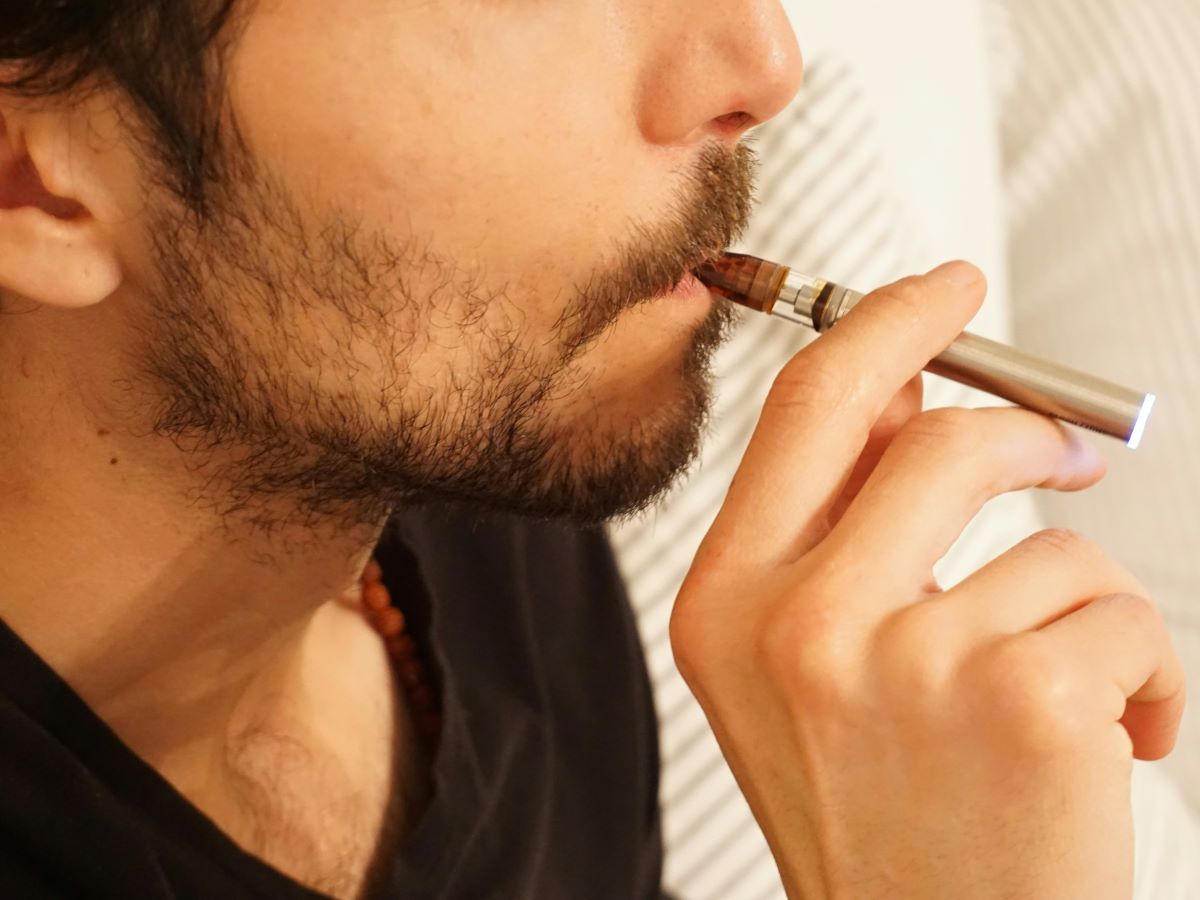
Temperature control enhances the experience; vaporizing at 175–185°C (347–365°F) accentuates limonene and linalool sweetness, while 190–200°C (374–392°F) brings out caryophyllene spice and myrcene’s earth. Consumers sensitive to harshness should avoid exceeding 205°C (401°F), where heavier sesquiterpenes and degradation byproducts can dominate.
Cannabinoid Profile and Lab Data
Publicly accessible COAs specifically labeled “Roxanne” remain sparse, reflecting the strain’s boutique circulation. In markets where Roxanne has been tested by licensed labs, it generally falls within the modern hybrid band that dominates shelves: THC commonly in the high teens to mid-20s by percentage of dry weight. Total cannabinoids for comparable boutique hybrids often land around 20–30%, with occasional outliers above 30% depending on cultivar and testing methodology.
As a practical working range for consumers, expect Roxanne samples to test roughly 18–25% THC, with some phenotypes or harvests landing slightly above or below. CBD is usually trace (<1%), though rare phenotypes could show elevated CBD if mislabeling or unique breeding inputs are involved. Cannabigerol (CBG) typically appears in the 0.3–1.0% range for modern hybrids, contributing subtle modulatory effects.
Terpene totals for boutique hybrids commonly span 1.5–3.5% by dry weight when grown under optimized conditions and properly cured. Roxanne’s sensory strength suggests it can sit near the middle-to-upper part of that range, though total terpene mass varies with environment, genetics, and post-harvest handling. Because terpene mass correlates with perceived aroma intensity, consumers can use smell as a coarse proxy for terpene-rich flower.
For dosing perspective, 20% THC flower contains about 200 mg of THC per gram. A 0.25 g bowl at 20% THC yields roughly 50 mg of total THC potential before combustion/vaporization losses and decarboxylation efficiency. Individual responses vary widely, so titration is advised, especially for novice or low-tolerance users.
Terpene Profile and Minor Aromatics
Roxanne tends to express a terpene stack anchored by beta-caryophyllene, limonene, and myrcene, often accompanied by linalool or pinene in secondary roles. Beta-caryophyllene is a sesquiterpene notable for CB2 receptor activity in vitro, contributing pepper and warm spice notes. Limonene delivers citrus brightness and is frequently associated with uplifting, mood-elevating sensory impressions.
Myrcene introduces earth, fruit skin, and a gentle herbal musk that can read as ripe mango or damp forest floor. Linalool, when present above ~0.2%, adds a floral-lavender softness that tempers caryophyllene’s bite and can make the nose feel round and perfumed. Alpha- and beta-pinene, if detectable, bring pine resin, fresh-cut conifer, and improved perceived clarity in the aromatic profile.
In many boutique hybrids, typical terpene proportions may look like: beta-caryophyllene 0.4–0.9%, limonene 0.3–0.8%, myrcene 0.3–0.9%, with minor terpenes (linalool, humulene, ocimene, pinene) in the 0.05–0.3% each. Total terpene mass near or above 2.0% generally reads as loud in the jar, while sub-1.0% samples may smell flatter even at similar THC levels. Roxanne’s reputation for layered aroma suggests many cuts can land near 1.8–3.0% total if grown and cured well.
Beyond the major terpenes, look for farnesene, ocimene, and nerolidol traces that contribute creaminess, green-fruit lift, or woody undertones. These minor constituents help explain why Roxanne’s nose evolves from sweet to zesty to peppery from first sniff to grind and inhale, giving it a more dynamic profile than monoterpene-dominant cultivars.
Experiential Effects and Use Cases
Roxanne is commonly described as a balanced hybrid that begins with a gentle, mood-brightening lift and transitions into a calm body ease. Initial onset may deliver sensory sharpening and mild euphoria without a jolt, especially when vaporized at lower temperatures. As the session continues, the body feel tends to deepen into a comfortable, weighted calm that remains functional for many users.
For creative tasks and social settings, small doses can feel conversational and flexible, particularly when limonene and pinene are prominent. At higher doses, the caryophyllene-myrcene anchor can tilt the experience toward couchlock, especially late in the day. Because of this dose-dependent shift, Roxanne can serve as a day-into-evening hybrid with careful titration.
Consumers often compare Roxanne’s vibe to modern dessert hybrids that avoid full sedation unless pushed. When contrasted with known references, its uplift does not usually match the pronounced creativity many people attribute to strains like Reckless Rainbow, which Leafly reporting has praised for uplifting, creative effects; instead, Roxanne’s uplift is smoother and more grounded. On the other side of the spectrum, it is rarely as slow-building and long-lastingly heavy as Alaskan Thunderfuck (ATF), which is known for a gradual, relaxing onset.
Expect onset within 1–5 minutes for inhaled routes, with peak effects around 15–30 minutes and a 1–3 hour duration depending on dose and individual tolerance. Users prone to anxiety with sharp, racy sativas may find Roxanne more approachable, while those seeking heavy sedation for sleep might prefer a more myrcene-linalool dominant cultivar.
Potential Medical Applications
While high-quality, strain-specific clinical trials are rare, Roxanne’s typical chemistry suggests several potential symptom targets derived from cannabinoid and terpene literature. THC and beta-caryophyllene together may support short-term relief of nociceptive pain via central and peripheral pathways, respectively. Myrcene-rich hybrids are often chosen anecdotally for muscle relaxation and evening wind-down.
For stress and mood, modest limonene and linalool levels are frequently associated with perceived anxiolysis and mood brightening in observational reports. Patients with anxiety sensitivity to high-THC cultivars should start at low doses, as THC can exacerbate anxiety in some individuals. A vaporizer with precise temperature control allows the user to emphasize lighter monoterpenes first before entering heavier, sedative territory.
In appetite and nausea contexts, THC has the strongest evidence base, with dose and delivery method being key. Roxanne’s mid-to-high THC band can help stimulate appetite when administered before meals, but overshooting dose can induce lethargy that interferes with eating. Microdosed inhalations spaced 10–15 minutes apart are often more manageable than a single large inhalation session.
For sleep, Roxanne may work best as a pre-bed calming aid when harvested slightly later (more amber trichomes) and when myrcene and linalool are pronounced. Patients requiring deep, sustained sedation may still do better with more explicitly sedative chemotypes. Always consult a clinician if using cannabis to manage chronic conditions, especially when taking medications with CYP450 interactions.
Ultimately, patient response is highly individual, and the same Roxanne sample can feel different across users due to genetics, tolerance, and context. Keeping a symptom and dose journal for two weeks can reveal personalized patterns that guide effective, sustainable use.
Dosing, Onset, and Tolerance Considerations
For inhalation, beginners can start with 1–2 small puffs, then wait 10 minutes before deciding on more. At 20% THC, a single 50 mg inhaled dose can feel strong for novice users; many find 5–15 mg inhaled THC-equivalent sufficient for noticeable effects without overwhelm. Experienced consumers may choose 25–50 mg inhaled equivalents but should account for cumulative effects over a session.
Onset with inhalation is fast—usually within minutes—while peak arrives by 15–30 minutes. Most effects subside after 2–3 hours, but residual calm can persist longer at higher doses. To manage tolerance, consider 48–72 hour “tolerance breaks” every few weeks and avoid pushing doses upward simply to recapture early novelty.
Hydration, nutrition, and set/setting shape the experience significantly. Combining Roxanne with caffeine can tilt the tone toward alertness, while pairing with a heavy meal often intensifies the relaxing body feel. Avoid mixing with alcohol, which can magnify dizziness and impair coordination.
Cultivation Guide: Environment and Scheduling
Roxanne behaves like a contemporary hybrid optimized for resin and bag appeal, responding well to consistent VPD, moderate nitrogen in early flower, and stable EC. Indoors, target 24–28°C (75–82°F) day temperatures in veg, 22–26°C (72–79°F) in flower, and a 4–6°C (7–10°F) night drop late bloom to

