 Written by Ad Ops
What Is Rainbow Cake? A High-Impact Overview
Rainbow Cake, sometimes listed on menus as Rainbow Cake strain or Rainbow Cake OG, is a modern dessert-hybrid prized for its saturated candy-and-cream flavor profile and dense, high-THC flower. In legal U.S. markets, consumers commonly report potency in the low-to-mid 20s for THC, situating Rainbow Cake among the heavier hitters compared with the national flower median of roughly 19–20% THC. Its bag appeal is striking, with multicolored calyxes and heavy trichome coverage that often translate to a frosted, jewel-toned finish. Despite its confectionary name, the experience can be quite assertive, mixing euphoria with weighty, full-body calm.
The Rainbow Cake strain appeals to both recreational and medical users who want layered flavor, consistent potency, and a happy-but-grounded high. Fans compare the aromatic top notes to fruit candy or tropical sherbet, followed by bakery-like vanilla and a gentle skunk undercurrent. The hybrid balance is typically described as slightly indica-leaning, capable of evening relaxation while keeping the mind bright at lower doses. For many, it hits the sweet spot between mood elevation and physical relief, all wrapped in a pastry-shop terpene bouquet.
In dispensary lineups, Rainbow Cake is often positioned alongside other confections like Wedding Cake, Birthday Cake, and strains with Z genetics such as Zkittlez or Rainbow Belts. While exact lineage can vary by breeder and cut, the brand promise is consistent: a candy-forward terpene profile with enough spice and fuel to satisfy classic OG and Cookies enthusiasts. Whether rolled in a joint or vaporized, it delivers a flavor-driven session that frequently outperforms average shelf strains in perceived richness and longevity.
Origin And Breeding History
The precise origin story of Rainbow Cake is a little hazy, as multiple breeders have produced similar crosses pairing candy-forward genetics with cake-style dessert strains. Across forums and retail data, you will encounter cuts marketed as Zkittlez x Wedding Cake and, in some cases, crosses that sound adjacent, such as Rainbow Belts x Wedding Cake. The shared theme is obvious: concentrate the fruit-candy terpenes of Z/Belts with the vanilla-frosting, spicy dough notes of Cake. The result is a modern dessert hybrid that capitalizes on two of the 2010s’ most influential terpene families.
Reports from growers suggest that Rainbow Cake selections began circulating widely in the late 2010s to early 2020s, paralleling the meteoric rise of Wedding Cake and the continued popularity of Zkittlez crosses. During this period, commercial cultivations in mature markets began favoring terpene-forward, photogenic strains that also delivered consistent cannabinoid numbers at scale. Rainbow Cake’s heavy trichome density and strong nose made it a natural fit for those priorities. Its adoption has accelerated thanks to consumer demand for high-flavor cultivars that still yield adequately.
Because multiple breeders have released similarly named crosses, not all Rainbow Cake flowers are genetically identical. Regional differences in cuts, phenotypes, and backcrossing strategies mean that one market’s Rainbow Cake may show slightly more gas, while another leans fruit and cream. Nonetheless, the broad sensory range—candy, citrus, vanilla, faint skunk—remains a reliable anchor across versions. Consumers should check labels, batch COAs, and producer notes for the most accurate lineage information for the jar in front of them.
Genetic Lineage And Phenotypic Expression
Across the most common descriptions, Rainbow Cake is typically framed as a Z-line meets Cake-line hybrid, usually Zkittlez x Wedding Cake or Rainbow Belts x Wedding Cake. Zkittlez brings a terpene backbone heavy in fruit-candy top notes and a happy, non-racy cerebral lift. Wedding Cake adds structure, density, vanilla-cream accents, and the grounding body of a slightly indica-leaning hybrid. The genetic synergy is designed to preserve the dessert profile while stabilizing growth traits for production.
Phenotypically, growers often report stout, moderately branching plants with thick, resinous colas and short to medium internodal spacing. Height indoors commonly tops out around 90–150 cm with topping and training, making Rainbow Cake manageable in tents and rooms of varying sizes. Lateral branching tends to be strong enough for SCROG or trellis nets, creating an even canopy that maximizes light exposure. The plants frequently express dark green to mottled foliage, with anthocyanin hints under cooler late-flower conditions.
In terms of chemotype, most cuts fall into a high-THC, low-CBD profile with total terpene content typically between 1.5% and 3.0% by weight when well-grown. Dominant terpenes often include limonene, beta-caryophyllene, linalool, and myrcene, with secondary accents of humulene and ocimene depending on environment and phenotype. This combination yields the recognizable fruit-floral top end with a spicy, creamy anchor. Such a terp balance is also associated with perceived mood elevation and stress relief without excessive stimulation.
Appearance And Bag Appeal
True to its name, Rainbow Cake often displays a spectrum of color when properly finished and cured. Expect lime-to-olive green calyxes streaked with lavender and occasional deep purple, especially when night temperatures are lowered by 3–5°C in late bloom. Fiery orange to amber pistils thread through the surface, giving an attractive contrast against the frosty trichome sheath. Under magnification, bulbous capitate-stalked trichomes form dense constellations that signal high resin output.
Bud structure is typically dense and medium-sized, with cola tips stacking into rounded, cake-like tops. The flowers can feel glassy and sticky to the touch, thanks to abundant resin heads that are prized for solventless extraction. Well-trimmed Rainbow Cake exhibits crisp calyx definition without excessive sugar leaf, preserving the aesthetic without sacrificing weight. Average moisture content at retail ideally lands near 10–12% to keep the bud pliable and aromatic.
Visually, premium batches show uniformity across nugs with minimal foxtailing, a hallmark of disciplined environmental control. Consumers often cite its photogenic quality as a motivation to buy again, and retailers sometimes highlight it in top-shelf displays. In a marketplace where shelf decisions can be made in seconds, Rainbow Cake’s color palette and trichome density provide instant appeal. Combined with its sweet, candy-forward jar aroma, it rarely gets overlooked once the lid opens.
Aroma: From Jar To Grind
The aroma of Rainbow Cake is one of its strongest selling points, evolving across stages from jar to grind to combustion. On first crack, the nose is typically candy-sweet, with notes reminiscent of fruit chews, tropical gummies, or berry sherbet. Secondary tones of vanilla icing, faint nutmeg, and a whisper of skunk or diesel often emerge as the flower breathes. This interplay creates both immediate charm and depth for repeated sniff tests.
Once ground, volatile terpenes bloom and sharpen the profile. Limonene-led brightness intensifies to evoke lemon peel and sweet citrus soda, while beta-caryophyllene adds peppery warmth. Linalool contributes a gentle, floral lift that softens the spice into something confectionary. Many users also detect a creamy undertone, suggestive of Wedding Cake’s influence.
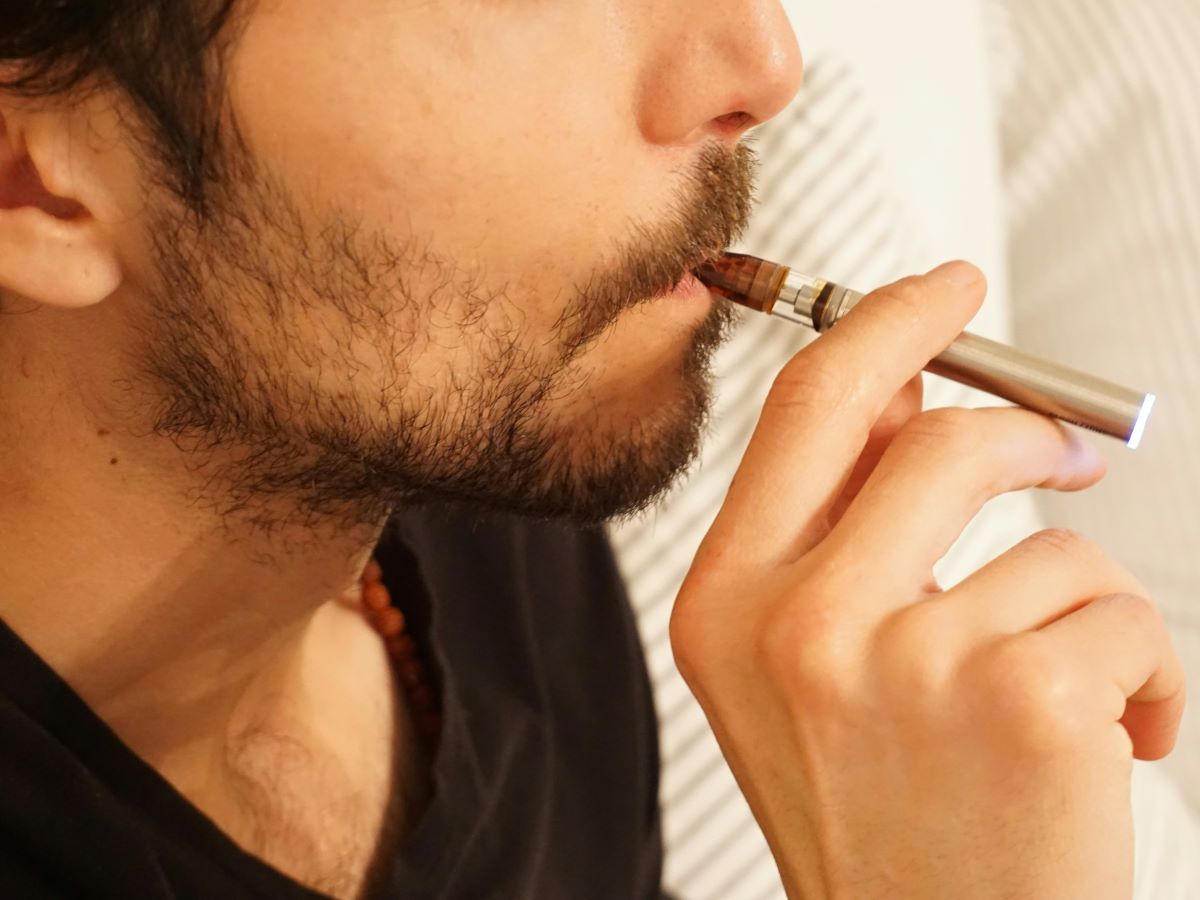
During combustion or vaporization, herbal and resinous components surface, providing structure beneath the sweetness. The aroma shifts from pure candy to a more complex bouquet that includes baked sugar, light cocoa, and botanical pine. For vapers, lower temperatures tend to highlight the citrus and vanilla, while higher settings unlock pepper-spice and a faint fuel echo. The resulting aromatic arc is layered, persistent, and memorable for dessert-strain fans.
Flavor And Consumption Experience
On the palate, Rainbow Cake delivers dessert-forward flavors that validate the promise of its nose. The first impression is candy and citrus, reminiscent of tropical fruit slices with a lemon-lime glaze. A creamy vanilla mid-palate follows, with baker’s spice and a light pepper zing offering contrast. The finish can flash subtle skunk or gas, offering a savory edge that prevents the profile from becoming cloying.
In joints and glass, the smoke is typically smooth when the bud is properly flushed and cured, with a sweetness that lingers on the lips. Vaporization accentuates top-note terpenes, making limonene and linalool particularly expressive in the 170–185°C range. At higher vapor temps and in bongs, beta-caryophyllene and humulene step forward, introducing a toasted, peppery backbone. Across methods, many users note that the flavor remains present deep into the session, indicating robust terpene density.
Compared with average hybrids, Rainbow Cake often ranks above average in perceived flavor intensity and persistence. This is consistent with reports of total terpene content landing in the 1.5–3.0% range by weight for dialed-in batches, compared with many commercial flowers that hover closer to 1.0–1.5%. Proper storage—airtight, cool, and dark—helps protect volatile terpenes and preserve that confectionary signature. Consumers who prioritize flavor frequently place Rainbow Cake in their top rotation.
Cannabinoid Profile And Lab-Reported Potency
Rainbow Cake is commonly categorized as a high-THC, low-CBD cultivar. Across market reports and batch COAs, total THC frequently falls between 20% and 26%, with standout lots occasionally pushing above 27% in optimal conditions. CBD is usually negligible, often under 0.5%, and total minor cannabinoids such as CBG and CBC may add 0.5–1.5% combined. This positions Rainbow Cake firmly in the modern dessert-hybrid potency tier.
For context, median THC values for dispensary flower in the U.S. typically sit around 19–20%, meaning Rainbow Cake often tests above average. In user surveys, strains in the 20–26% THC band are associated with faster onset and stronger initial euphoria at comparable dose sizes. Beginners should start low, with inhalation servings in the 1–2 mg THC range to assess response, while experienced consumers may find 5–10 mg inhaled per session suitable. As always, sensitivity varies widely by individual.
From a broader chemotype perspective, many of Rainbow Cake’s effects also correlate with its terpene architecture. High limonene and linalool have been associated in literature with mood-elevating and calming sensory impressions, while beta-caryophyllene interacts with CB2 receptors, potentially influencing perceived body relief. Even with robust THC percentages, terpene composition can shape how the potency is experienced—uplifted and clear versus heavy and sedative. Rainbow Cake tends to land in the uplifting-yet-grounded quadrant for most users when dosed moderately.
Terpene Profile: Dominant And Minor Aromatics
Most Rainbow Cake batches express a terpene triumvirate led by limonene, beta-caryophyllene, and linalool. Typical lab distributions might show limonene at 0.4–1.0%, beta-caryophyllene at 0.3–0.8%, and linalool at 0.1–0.4% of dry weight, adding up to a strong dessert profile. Myrcene often appears between 0.1–0.5%, rounding the fruit with light herbal depth and potentially increasing the perception of physical relaxation. Secondary contributors like humulene (woody, hoppy), ocimene (sweet, green), and pinene (pine, clarity) can nudge expression toward zest, cream, or herb.
These terpene levels translate directly to sensory experience. Limonene supports the bright, candy-citrus top note that defines the strain’s initial impression. Beta-caryophyllene adds peppery spice and a warm, bakery-like savor that complements the Cake lineage. Linalool introduces floral softness and a perceived soothing quality often associated with lavender-like aromatics.
Total terpene content in top-shelf Rainbow Cake lots frequently lands in the 1.5–3.0% range, with standout craft grows touching 3.5% under ideal conditions. For context, many commercial strains average closer to 1.0–1.5% total terpenes, which can feel comparatively flat in flavor and aroma. Storage conditions, curing technique, and post-harvest handling significantly affect measured terpene content; exposure to heat, oxygen, and light degrades volatiles quickly. Proper jar sealing and cool storage can preserve a larger fraction of Rainbow Cake’s signature bouquet.
Experiential Effects And Functional Use
User reports consistently describe an initial wave of euphoria and mood lift within minutes of inhalation. That uplift is typically clear-headed rather than racy, making Rainbow Cake suitable for creative tasks, socializing, or enjoying music and food. As the session progresses, a comfortable body calm slides in without immediate couchlock at moderate doses. The blend often feels balanced, combining happy energy up top with a relaxing, pliable baseline.
At higher doses, the strain’s indica-leaning properties can become more pronounced, with heavier eyelids and an urge to recline. Some users note enhanced sensory detail—colors, flavors, and music can feel a touch more vivid—while short-term memory may take a gentle hit. Dry mouth and dry eyes are common minor side effects reported across high-THC strains, and occasionally a sleepy comedown develops after the peak. As with any potent hybrid, setting and intention play a big role in how the experience unfolds.
Compared with gassy OGs or pure desserts like Wedding Cake, Rainbow Cake is often perceived as more playful and less sedating in the early curve. This makes it versatile for late afternoon into evening use, depending on tolerance and context. With balanced pacing and hydration, many people find Rainbow Cake supportive for winding down after work, watching a movie, or lightly creative pursuits. In social settings, its happy, candy tone can be a crowd-pleaser that avoids edginess.
Potential Medical Applications And Evidence Context
While clinical evidence on specific named strains is limited, the cannabinoid-terpene architecture of Rainbow Cake suggests several plausible areas of interest. High THC has been associated with short-term analgesic effects in neuropathic and musculoskeletal pain models, with observational studies showing many patients self-report benefit at total daily doses in the 5–30 mg range. Beta-caryophyllene’s interaction with CB2 receptors has been explored for potential anti-inflammatory properties, which may help explain anecdotal relief in joint and muscle discomfort. Limonene and linalool are frequently cited in preclinical literature for mood-elevating and anxiolytic-like signals, aligning with users’ reports of stress relief.
For appetite and nausea, THC’s role is comparatively well documented, and many patients report improved appetite cues with high-THC, terpene-rich cultivars. Rainbow Cake’s dessert-like flavor and limonene-led brightness may encourage intake among those struggling to eat, though individual responses vary. Regarding sleep, moderate evening doses may facilitate sleep onset via relaxation, especially as the body calm intensifies over time. However, very high THC late at night can paradoxically be stimulating for some, so titration is key.
It is important to note that medical outcomes depend on dose, delivery method, tolerance, and individual biochemistry. Inhalation offers rapid onset and relatively short duration, which some patients prefer for situational symptoms, while others may need longer-lasting oral formulations. Anyone exploring cannabis for medical purposes should consult a qualified clinician in jurisdictions where medical guidance is available. The Rainbow Cake strain’s profile—strong THC with dessert-forward, calming terpenes—makes it a candidate for exploration in mood support, stress, appetite, and mild-to-moderate pain contexts, with careful attention to personal response.

