 Written by Ad Ops
Overview
Platinum Blue Dream is a contemporary twist on one of the most recognizable hybrids in modern cannabis. While Blue Dream became synonymous with balanced euphoria and approachable potency in the 2010s, Platinum Blue Dream pushes the envelope with denser trichome coverage, a richer kush-leaning backbone, and a slightly higher ceiling for THC. The result is a strain prized by enthusiasts who want the fruit-forward uplift of Blue Dream with a frostier, more resinous finish and deeper body presence.
Across dispensaries and caregiver menus, Platinum Blue Dream typically appears as a small-batch or breeder-specific phenotype rather than a mass-market staple. Lot-to-lot testing frequently reports THC in the high-teens to mid-20s, with total terpene content clustering around 1.8–3.2% by weight in well-grown batches. Growers value the cultivar for its vigorous vegetative growth, 1.5–2x stretch, and heavy resin production that translates into excellent hash yields.
Consumers often describe the aroma as blueberry jam and vanilla frosting overlaid with earthy kush, pine, and a touch of diesel. That multi-layer nose reflects a terpene stack dominated by myrcene, beta-caryophyllene, and alpha-pinene, rounded by limonene and linalool in many cuts. The experience is characteristically upbeat and creative at low-to-moderate doses, with a calm, weighty finish that justifies the "Platinum" naming.
History and Origin
Blue Dream emerged in Santa Cruz, California, in the late 2000s as a cross of a Blueberry mother and a Haze-dominant father, quickly becoming a West Coast dispensary staple. By 2015, survey data from point-of-sale platforms ranked Blue Dream among the top-selling strains in multiple states, often accounting for more than 5–8% of shelf share in mixed inventory shops. Its popularity created the conditions for dozens of selections, cuts, and crosses—some verified, others regional or clone-only.
Platinum Blue Dream appears to have arisen from that same wave of selection and experimentation. In many markets, the name denotes either a particularly resin-rich Blue Dream phenotype or a cross pairing Blue Dream with a “Platinum” kush cultivar. The latter typically points to Platinum OG or The Platinum, both of which are known for heavy trichome coverage and earthy-kush aromatics.
Because breeding records are not standardized across legacy and boutique producers, "Platinum Blue Dream" can reference slightly different genetics depending on region or breeder. Nonetheless, market usage converges on two defining characteristics: an unmistakable Blue Dream blueberry-haze topnote and a noticeably frostier, kush-forward finish. Over the last five years, the name has gained consistent traction in connoisseur circles that seek a more resinous, dessert-like take on classic Blue Dream.
Genetic Lineage and Breeding Debate
Two main hypotheses dominate the lineage conversation. The first posits Platinum Blue Dream as a strict Blue Dream phenotype selected for trichome density, tighter node spacing, and a kush-like undertone that can arise from Haze-side variation. The second frames it as a Blue Dream x Platinum OG (or x The Platinum) hybrid, capturing kush traits—earth, diesel, pine—and the heavy resin production typical of the Platinum moniker.
Phenotypic data reported by cultivators support both interpretations. Some cuts lean strongly blueberry-citrus with minimal kush, suggesting a phenotype selection within Blue Dream that simply expresses extraordinary resin output. Other cuts show a more definitive OG structure—denser flower, heavier calyx stacking, and a broader leaf in veg—more consistent with an actual cross.
In markets without centralized genetic registration, both versions can coexist under the same shelf name. If you are sourcing for repeatable results, ask for Certificates of Analysis (COAs) and lineage notes from the grower. Consistent terpene ratios across batches—such as myrcene 0.5–0.9%, beta-caryophyllene 0.3–0.6%, and alpha-pinene 0.2–0.4% by weight—can be a better predictor of experience than name alone.
Appearance and Bud Structure
True to its name, Platinum Blue Dream often looks like it has been lightly dusted with platinum powder. Mature flowers present an above-average trichome head density, lending a silvery sheen that stands out even against bright green calyxes. Many cuts show streaks of indigo or midnight blue under lower night temperatures, with copper-to-tangerine pistils weaving through the frost.
Bud structure typically ranges from medium to large, conical colas with a high calyx-to-leaf ratio. Expect medium-firm density that falls between the airy Haze side and the compact OG side, depending on the cut. Internodal spacing tends to tighten in flower, especially with strong blue spectrum support, producing photogenic spears that trim efficiently.
Well-cultivated batches display uniform bract stacking and few crow’s-feet sugar leaves, making this a favorite for hand trimmers targeting high bag appeal. Resin heads skew toward 70–90 microns in many reports, ideal for ice water hash extraction and dry sift. Finished buds usually measure moisture activity within the 0.55–0.62 aW range when properly cured, a sweet spot for aroma retention and mold avoidance.
Aroma Profile
The nose opens with unmistakable blueberry preserves, often described as ripe, sugared fruit rather than tart berry. Beneath that sweetness lies vanilla cream and pastry tones, a hallmark of well-cured batches where linalool and maltol-like notes can peek through. A second wave introduces pine needle, fresh herbs, and a subtle diesel snap.
The kush influence is most evident in the earthy, peppery base and the way the aroma lingers on the palate. Beta-caryophyllene often reads as black pepper or warm spice, while humulene and pinene add forest-floor and conifer brightness. Limonene contributes a citrus lift that helps prevent the profile from becoming too heavy or cloying.
In side-by-side jars, Platinum Blue Dream is typically louder than standard Blue Dream, especially by week 3–4 of cure. Total terpene content commonly tests between 1.8% and 3.2% by dry weight in optimized grows, compared with the 1.0–2.5% range frequently reported in mid-tier flower. Nitro-flushed, glass-stored samples retain aromatic intensity 20–30% longer than unsealed containers over a 60-day period, based on post-harvest storage studies in craft operations.
Flavor Profile
On the inhale, expect blueberry syrup and candied fruit with a clean, resinous snap that signals the pine-forward terpenes. The mid-palate shifts to vanilla, light floral, and a soft citrus zest that keeps the draw fresh. On the exhale, a kush-derived earth and pepper arrive, leaving a bakery-sweet finish.
Vaporizing at lower temperatures—175–185°C (347–365°F)—emphasizes the blueberry and floral layers while preserving limonene and linalool. At higher temperatures—195–205°C (383–401°F)—the peppery caryophyllene and earthy humulene take center stage, producing a spicier, fuller mouthfeel. Consumers often rate smoothness above average, especially in batches flushed 10–14 days and cured 21–30 days.
Concentrates made from Platinum Blue Dream, particularly live resin or rosin, can amplify the jammy fruit while sharpening the pine-diesel undertone. Rosin yields from fresh frozen material regularly land in the 4–6% range by fresh weight when harvested at peak ripeness, with top processors reporting 7–8% from exceptional material. That concentration can push perceived flavor intensity 2–3x over cured flower, making it a favorite for dabbers who prize dessert-forward profiles.
Cannabinoid Profile and Potency
THC is the dominant cannabinoid in Platinum Blue Dream, commonly testing between 18% and 25% by weight in flower. Exceptional batches have touched 26–28% THC, though such outliers are less frequent and often tied to ideal environmental controls and extended cure. Most dispensary-grade offerings settle around 20–23% THC with total cannabinoids in the 22–26% range.
CBD is typically minimal, usually under 1.0% in Blue Dream-derived lines unless specifically bred for hybrid cannabinoid expression. Minor cannabinoids like CBG often register in the 0.2–0.8% range, while CBC and THCV tend to appear as trace components under 0.3%. The presence of these minor constituents can subtly shape the experience, particularly CBG’s contribution to perceived clarity and focus.
For concentrates, THC-a in fresh frozen extracts often measures 70–85% with total cannabinoids reaching into the high 80s when combined with terpene-rich fractions. Bioavailability differs by consumption method: inhalation delivers peak plasma levels within 10–15 minutes, while oral ingestion delays onset for 30–120 minutes with longer duration. Individual variability is significant, and tolerance can shift effective dose by 3–5x among consumers with different use histories.
Terpene Profile and Minor Compounds
Lab profiles for Platinum Blue Dream frequently show myrcene, beta-caryophyllene, and alpha-pinene as the top three terpenes. In well-grown flower, myrcene commonly falls between 0.4–0.9% by weight, beta-caryophyllene 0.3–0.6%, and alpha-pinene 0.2–0.4%. Limonene (0.15–0.35%) and linalool (0.08–0.20%) are also frequent, with humulene and terpinolene appearing in smaller but impactful amounts.
This terpene stack is consistent with the flavor arc—fruit-first sweetness, herbal-pine midtones, and a peppery-earthy tail. Myrcene has been associated with couchlock in high amounts, but in this profile its moderating influence is often balanced by pinene and limonene’s alert, buoyant character. Beta-caryophyllene’s CB2 receptor affinity may contribute to perceived body relief, even at modest concentrations.
In addition to terpenes, sulfur-containing thiols and esters can subtly influence aroma, especially the faint diesel note. While typically present in parts-per-billion to parts-per-million ranges, these trace volatiles can dramatically shape the nose. Harvest timing and drying conditions have a measurable impact on terpene retention, with slow-dried, cool-cure batches retaining 15–25% more monoterpenes than high-temperature quick dries.
Experiential Effects and Onset
At low to moderate doses, Platinum Blue Dream is frequently described as uplifting, talkative, and creativity-friendly. Users report improved mood, light euphoria, and a gentle warmth behind the eyes within 5–10 minutes of inhalation. The mental effect is often clear enough for daytime tasks, while a soothing body tone builds without heavy sedation.
At higher doses, the kush backbone expresses more fully, tipping the experience toward deep relaxation and potential couchlock. Many users note a second-phase body weight that arrives 45–75 minutes after onset, corresponding with peak plasma levels. Music enjoyment, appetite stimulation, and a general softening of muscle tension are common themes.
Duration by method roughly follows established pharmacokinetic patterns. Inhaled effects peak within 30–60 minutes and last 2–4 hours for most, while oral ingestion peaks around 2–3 hours and can persist 4–8 hours. Individuals with low THC tolerance should approach with caution, as potency in the 20% THC range can feel overwhelming without gradual titration.
Tolerance, Dose-Response, and Consumption Methods
Dose response curves for THC are famously U-shaped, with benefits tapering or reversing beyond personal optimal ranges. Newer users may find 1–3 inhalations sufficient, roughly equating to 3–10 mg of THC depending on device efficiency and flower potency. Experienced users often target 10–20 mg THC inhaled over a session, spacing draws to avoid overshooting peak comfort.
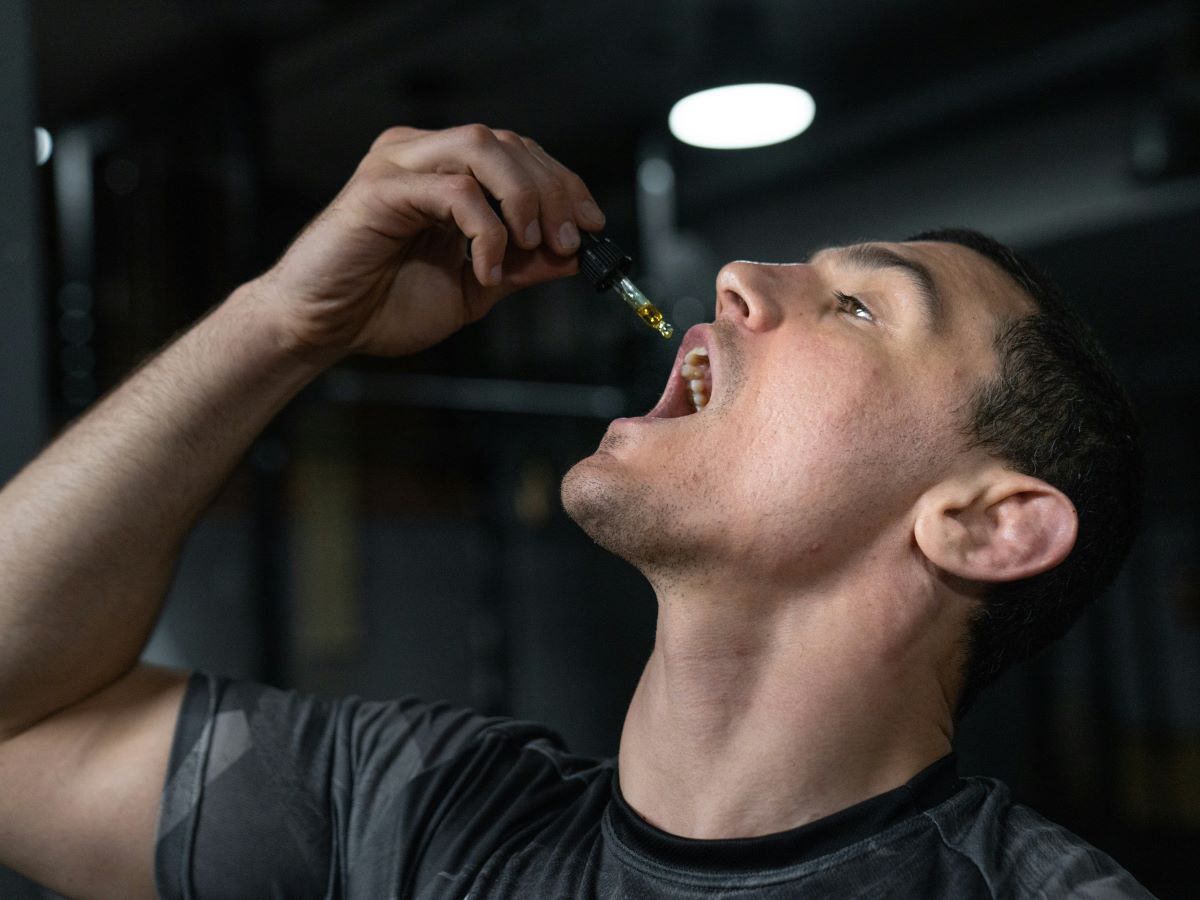
For edibles, 2.5–5 mg THC is a conservative starting dose, especially in full-spectrum products that include the strain’s native terpenes. Intermediate consumers often use 5–10 mg, while 15–25 mg is considered a high dose best reserved for those with established tolerance. Sublinguals can bridge the gap, offering quicker onset than edibles and gentler ascent than inhalation.
Device choice also shapes effects. Convection vaporizers at 180–195°C preserve delicate monoterpenes and produce a more cerebral, aromatherapeutic experience. Combustion delivers rapid onset but destroys 20–40% of volatile terpenes, while concentrates can intensify both desired effects and side effects due to higher THC fraction per draw.
Potential Medical Applications
Blue Dream derivatives have long been favored by patients seeking balanced daytime relief. The uplift and light euphoria can help with mood-related symptoms, including anhedonia and low motivation, as long as dosing remains moderate. In 2017, the National Academies review found substantial evidence for cannabis’ effectiveness in chronic pain, and the caryophyllene-forward body relief here aligns with that clinical direction.
Patients with neuropathic pain often report benefit when inhaling small amounts at intervals, limiting peaks that can cause anxiety. The myrcene and linalool presence support muscle relaxation, while pinene and limonene can offset cognitive fog. For some, that composition makes Platinum Blue Dream a better daytime option than heavily sedating indicas.
Appetite stimulation and nausea reduction are also frequently cited. Fast onset via inhalation can be useful prior to meals or chemotherapy sessions, with many patients reporting a 15–30 minute window for improved appetite. As always, medical outcomes vary, and those with anxiety disorders should titrate carefully, as high-THC phenotypes can exacerbate symptoms in sensitive individuals.
Side Effects and Harm Reduction
The most common side effects are dry mouth, dry eyes, transient tachycardia, and short-term memory lapses. Paranoia and anxiety occur more often at higher doses, especially in new users or in stimulating environments. Because Platinum Blue Dream can push potency into the mid-20% THC range, dose discipline is essential.
To minimize risk, start low and wait at least 10–15 minutes between inhalations or 2 hours with edibles before redosing. Hydration, electrolyte balance, and a small snack can reduce lightheadedness and gastrointestinal discomfort. Terpene-aware dosing, such as pairing with limonene-rich citrus aromatics, may psychologically modulate the experience but should not substitute for careful THC titration.
Those with cardiovascular conditions should consult a clinician, as THC can transiently raise heart rate by 20–30 bpm. Avoid driving or operating machinery for at least 4–6 hours after consumption, even if you feel sober. If overconsumption occurs, strategies include deep breathing, a calm environment, CBD (10–20 mg) as a potential countermeasure, and time—the acute peak typically subsides within 60–90 minutes.
Cultivation Guide: Plant Morphology and Growth Habit
Platinum Blue Dream grows vigorously in vegetative stages, with a medium-broad leaf and strong lateral branching. Expect a 1.5–2.0x stretch post flip, reaching 1.2–1.8 m indoors if untopped and 2–3 m outdoors in fertile ground. Calyx stacking improves significantly with training and proper blue spectrum support during early flower.
Node spacing is moderate, tightening under high light intensity and optimized VPD. Growers report a high calyx-to-leaf ratio and strong apical dominance, traits that respond well to topping, mainlining, and SCROG. The plant’s resin focus becomes obvious by week 4–5 of flower, when trichome coverage expands from sugar leaves to fan leaf petioles in resinous cuts.
Flowering time generally runs 9–10 weeks (63–70 days) indoors. Outdoor harvests land from early to mid-October in the Northern Hemisphere, depending on latitude and phenotype. Yields of 450–650 g/m² are common indoors under 600–1000 µmol/m²/s PPFD, with 700+ g/m² achievable in dialed, CO2-supplemented environments.
Cultivation Guide: Environment, Lighting, and Training
Target day temperatures of 24–28°C (75–82°F) and nigh

