 Written by Ad Ops
Origins and Breeding History
Modified Bacon is a modern, boutique cannabis cultivar bred by Matchmaker Genetics, a breeder known among connoisseurs for small-batch releases focused on intense terpene expression and high resin output. The strain’s name signals a deliberate pursuit of savory, umami-driven aromatics that sit alongside the classic gas-and-garlic profile prized in contemporary markets. While large, multi-state brands often pursue broadly appealing dessert notes, Matchmaker Genetics has leaned into the niche of pungent, culinary-style aromatics. That positioning makes Modified Bacon especially notable in the early-to-mid 2020s wave of “savory-first” hybrids.
The release context for Modified Bacon aligns with rising consumer interest in strong organosulfur profiles, a trend accelerated by the popularity of GMO-descended cultivars. In consumer surveys from 2021–2024, “gas” and “garlic” flavors showed steady growth in search interest, with several platforms reporting double-digit percentage increases year-over-year. Breeders responded by making crosses that preserve heavy caryophyllene and thiol notes without sacrificing yield or potency. Modified Bacon fits this brief, balancing pungent complexity with production traits that growers can scale.
From the outset, Matchmaker Genetics aimed for robust resin production that plays well in both flower and hash formats. Resin-forward cuts typically correlate with increased trichome head size and density, traits valued by solventless extractors targeting 4–6% rosin yields from fresh-frozen material. Although batch-to-batch results vary with environment and wash technique, many GMO-related lines are known to produce above-average returns. Modified Bacon was trialed in small production runs to refine structure, stability, and washability before broader distribution.
As a breeder release, Modified Bacon arrived to phenohunters who prioritized authentic, chef-like flavor alongside modern potency. Early adopters highlighted the cultivar’s jar appeal and its distinctive cured-meat-and-maple nuance, which stood out in blind tastings compared to sweeter dessert profiles. The strain’s name quickly became a calling card for a specific taste archetype in the scene. In this way, Modified Bacon helped codify a savory lane in terpene culture that previously lived on the fringes of mainstream menus.
Genetic Lineage and Inferred Parentage
Matchmaker Genetics has not publicly disclosed the exact parents of Modified Bacon, a not-uncommon practice for boutique breeders protecting proprietary work. However, growers and sensory analysts frequently note a family resemblance to the GMO lineage, also known as Garlic Cookies. GMO itself descends from Chem D x GSC (Forum Cut) and is renowned for harshly pungent garlic, gas, and rubber aromas. That heritage reliably transmits long flowering windows, heavy resin, and an unmistakable chem-fuel funk.
The “Modified” naming convention in modern breeding circles is often associated with GMO or other Chem family crosses. Those lines tend to amplify beta-caryophyllene, humulene, and certain volatile sulfur compounds that contribute to savory aromatics. The “Bacon” half of the name draws attention to a meaty, smoky, and slightly sweet profile that consumers sometimes describe as maple-cured or peppered bacon. While names are never literal, this one accurately foreshadows the organoleptic experience.
Given these patterns, a reasonable inference is that one parent descends from Chem/GMO stock while the other leans into complementary spice, wood, or dessert-adjacent notes that soften the edge. The result is a hybrid that is neither purely skunky nor purely sweet but toggles between umami, spice, fuel, and a whisper of caramelized sugar. Morphologically, growers often report hybrid vigor with fairly broad leaflets in veg and medium internodal spacing that tightens under strong light. In practice, this expresses as an indica-leaning hybrid structure with an energetic edge.
GMO-derived lines frequently carry a longer bloom time, and Modified Bacon appears to follow suit with a recommended harvest window around weeks 9–10.5 for full flavor. Relative to quick-flowering dessert strains, this longer window is the tradeoff for deeper terpene complexity and a more layered finish. In exchange, cultivators gain resin-rich colas that refine with every extra day of ripening. That maturation arc is a hallmark of Chem lineage done right.
Appearance and Bag Appeal
Modified Bacon typically cures into dense, hand-friendly colas with a high calyx-to-leaf ratio and a greasy sheen that signals thick resin heads. The buds range from lime to forest green, with occasional purple flares at the tips when run colder in late flower. Abundant, amber-to-copper pistils weave through a blanket of glassy trichomes, giving the flowers a speckled, confit-like look. Under magnification, trichome stalks are tall and numerous, with bulbous heads that suggest solventless potential.
Structure-wise, the cultivar stacks well under adequate PPFD, forming symmetrical, golf-ball to forearm-length spears depending on training and canopy density. Bract size often falls in the 3–6 mm range, another visual cue that Modified Bacon packs resin into tight, plump calyces. The trim is generally straightforward due to modest sugar leaf coverage, making it friendly for both boutique hand-trim and careful machine assistance. In jars, the buds present a glossy, slightly sticky feel that persists even with proper cure.
Color contrast escalates with night temperatures 5–10°F lower than day toward the end of flower, which helps coax anthocyanins in some phenotypes. While not universally purple, the interplay of deep greens, bruised plum tones, and pumpkin-orange pistils delivers strong shelf appeal. Consumers often note the “oily” or “buttered” look on the surface, which is a visible manifestation of resin density. This visual richness complements the name and primes expectations for a savory, layered aroma.
Rosin makers often describe resin from Modified Bacon-style cuts as pliable and greasy at room temperature, a trait associated with high terpene content. This texture frequently correlates with rapid terpene volatilization when the jar is opened, producing an immediate heady plume. Visual appeal, therefore, intersects directly with the sensory punch. That synergy explains part of the cultivar’s momentum in circles that prize both look and loudness.
Aroma Spectrum and Volatile Chemistry
Open a jar of Modified Bacon and the first impression is savory: smoked peppercorn, cured meat, garlic oil, and a diesel undercurrent. As the flower acclimates to room air, darker notes appear—charred wood, blackstrap molasses, and a whisper of maple. On the second pass, the profile brightens with citrus zest and sweet spice, hinting at limonene and farnesene riding under the dominant caryophyllene. The resulting bouquet is complex and persistent, lingering in the air longer than sweeter dessert profiles.
Grinding amplifies intensity dramatically, a common outcome when trichome heads rupture and release volatile compounds. Sensory panels often describe a 30–50% perceived increase in pungency post-grind, with the fuel-and-garlic axis surging forward. This is consistent with high-terpene cultivars that clock total terpene content in the 1.5–3.0% (w/w) range when grown and cured well. The base spice remains, but it is wrapped in a savory glaze reminiscent of bacon fat warmed with maple and black pepper.
Chemically, Modified Bacon’s aroma is anchored by beta-caryophyllene and humulene, which convey pepper, wood, and herbaceous tones. Limonene and myrcene often fill out the body, while minor contributions from farnesene, linalool, and ocimene add brightness or floral lift. In addition, trace volatile sulfur compounds—particularly thiols—can inject the skunky, meaty snap that reads as garlic or cured meat. In 2021, analytical studies identified 3-methyl-2-butene-1-thiol (3M2B) as a key driver of the “skunk” odor in cannabis at parts-per-billion levels, offering a mechanistic basis for Modified Bacon’s savory punch.
Environmental factors can nudge these aromatics in different directions. Slightly higher sulfur availability late in veg and early flower, for example, can intensify the savory facets, while cooler finishing temperatures preserve delicate top notes. Cure technique strongly influences how sweet or smoky the profile feels, with slow, cold drying accentuating maple-like tones. The interplay of chemistry and handling means each batch can express a distinct, nuanced spectrum within the same core theme.
Flavor Profile and Mouthfeel
On the inhale, Modified Bacon presents a warm, peppery glide with a flash of diesel and roasted garlic. Mid-palate, the savory center broadens into smoked wood and nutty fat, like pancetta crisped in a cast-iron pan. As the vapor or smoke rolls over the tongue, a faint caramelized sugar note appears, nodding toward maple or molasses. The exhale finishes dry and peppered, with lingering fuel on the sinuses.
Vaporization temperature influences which notes dominate. At 175–185°C (347–365°F), brighter tones emerge—citrus rind, green herb, and hints of floral wood—while the savory character remains gentle but present. At 190–205°C (374–401°F), the meaty, garlicky axis blooms and the fuel gets heavier, producing a denser mouthfeel. Combustion pushes the smoky and peppered identity to the forefront, creating a steakhouse-like finish.
Mouthfeel is medium-plus in weight, not cloying, with a slightly oily impression that coats the palate. That texture reflects terpene richness and high resin content, which can deliver persistent retronasal aromas for minutes after the exhale. Hydration matters; dry mouth can dull the sugar thread and emphasize pepper and fuel. Sipping water or tea between draws restores balance and allows the maple nuance to reappear.
Aftertaste is long and evolving, moving from wood-and-garlic into a faintly sweet char. With a proper cure, harshness is minimal, and the pepper bite reads as culinary rather than acrid. Poorly dried or rushed batches can turn astringent and smoky in a less pleasant way. For the full flavor arc, a slow cure at stable humidity makes a measurable difference in perceived sweetness and smoothness.
Cannabinoid Profile and Lab Expectations
Modified Bacon is best understood as a THC-dominant cultivar with trace minor cannabinoids in most phenotypes. In well-grown flower, expected total THC commonly ranges from 20–28%, with standout batches pushing into the low 30s under optimized conditions. CBD is usually negligible (<1%), while CBG often appears in the 0.5–1.5% band. THCV and CBC tend to register at trace to low levels (0.05–0.4%).
Actual lab results will vary with genetics, environment, harvest timing, and lab methodology. It’s common to see a 3–5 percentage point swing in total THC across runs of the same clone due solely to lighting intensity, nutrient balance, and post-harvest handling. Growers should interpret “Total THC” on Certificates of Analysis as the sum of THCa and delta-9 THC adjusted by the 0.877 decarboxylation factor. For consumers, this means potency labels are estimates, not absolutes.
Moisture content and water activity affect both lab readings and shelf stability. Water activity between 0.55–0.65 aw and moisture content near 10–12% typically preserve terpenes and reduce degradation while minimizing microbial risk. Over-drying below 0.50 aw can make smoke feel harsher and reduce perceived potency due to faster terpene loss. Conversely, overly moist flower risks mold growth and inconsistent combustion.
Extracts made from Modified Bacon-like material often test with very high THCa percentages given the resin load. Live rosin crafted from fresh frozen can present total cannabinoid readings above 70%, with terpene content in the 4–8% range depending on wash and press parameters. Hydrocarbon extracts can climb even higher in total cannabinoids but may round off the delicate sweet notes. For many, the cultivar’s nuanced savoriness shines best in solventless formats that preserve the complete volatile profile.
Terpene Profile and Minor Aromatics
The dominant terpene in Modified Bacon is frequently beta-caryophyllene, which binds to CB2 receptors and imparts peppery, woody warmth. Typical ranges for caryophyllene in pungent, savory cultivars are 0.3–1.0% (w/w), though absolute values depend on environment and cure. Humulene commonly rides alongside at 0.1–0.4%, amplifying the earthy, bitter-hop character. Limonene and myrcene each often slot between 0.2–0.8%, providing citrus lift and a musky base, respectively.
Supporting terpenes like farnesene (0.05–0.3%), linalool (0.05–0.2%), and ocimene (trace to 0.2%) shape the cultivar’s maple-sweet and floral subtext. Farnesene, in particular, can lend a green-apple freshness that peeks out between savory pulses. Linalool contributes gentle floral and calming vibes that soften the bite. These minor players give Modified Bacon its layered complexity instead of a flat, single-note presentation.
Beyond terpenes, trace volatile sulfur compounds make a disproportionate sensory impact. 3-methyl-2-butene-1-thiol (3M2B) has been measured in the parts-per-billion range in skunky cannabis and is a strong candidate for the “meaty-garlic” snap many detect here. Other sulfur compounds and short-chain acids can add smoky, cheese-like or cured-meat hues in equally tiny concentrations. Although their absolute amounts are low, they shape the strain’s identity extensively.
Total terpene content in dialed-in indoor flower frequently falls between 1.5–3.0% by weight for this aromatic class. Outdoor or greenhouse runs can rival this if managed carefully but may skew brighter or grassier depending on environmental factors. Proper drying at 60°F/60% RH protects top notes by slowing volatilization. Conversely, warm, fast drying strips monoterpenes rapidly and leaves behind heavier, less nuanced flavors.
Experiential Effects and Onset Timeline
Modified Bacon produces a multifaceted effect profile that reflects its savory, resin-heavy chemistry. Inhalation typically initiates with a noticeable head lift within 2–5 minutes, followed by spreading physical relaxation. The mental tone is calm but not dull at moderate doses, lending itself to evening socializing, cooking, or movie nights. As the session deepens, body heaviness and a tranquil focus often predominate.
Peak effects arrive around 30–60 minutes post-inhalation and can sustain for 2–4 hours depending on dose and tolerance. At lighter doses, users report mood elevation, gentle euphoria, and reduced stress without overwhelming sedation. Higher doses push toward couchlock, hazy introspection, and sleep readiness, especially in lower-stimulus environments. Many describe a soothing pressure release in the shoulders, neck, and jaw.
Common side effects mirror those of other potent THC-dominant cultivars. Dry mouth and dry eyes are the most frequently reported, occurring in roughly 30–60% of users in cannabis consumer surveys. Occasional dizziness or transient anxiety can occur, most often with rapid redosing or inexperienced users overshooting their ideal range. Staying hydrated, pacing sessions, and pairing with a calm setting reduce unwanted effects.
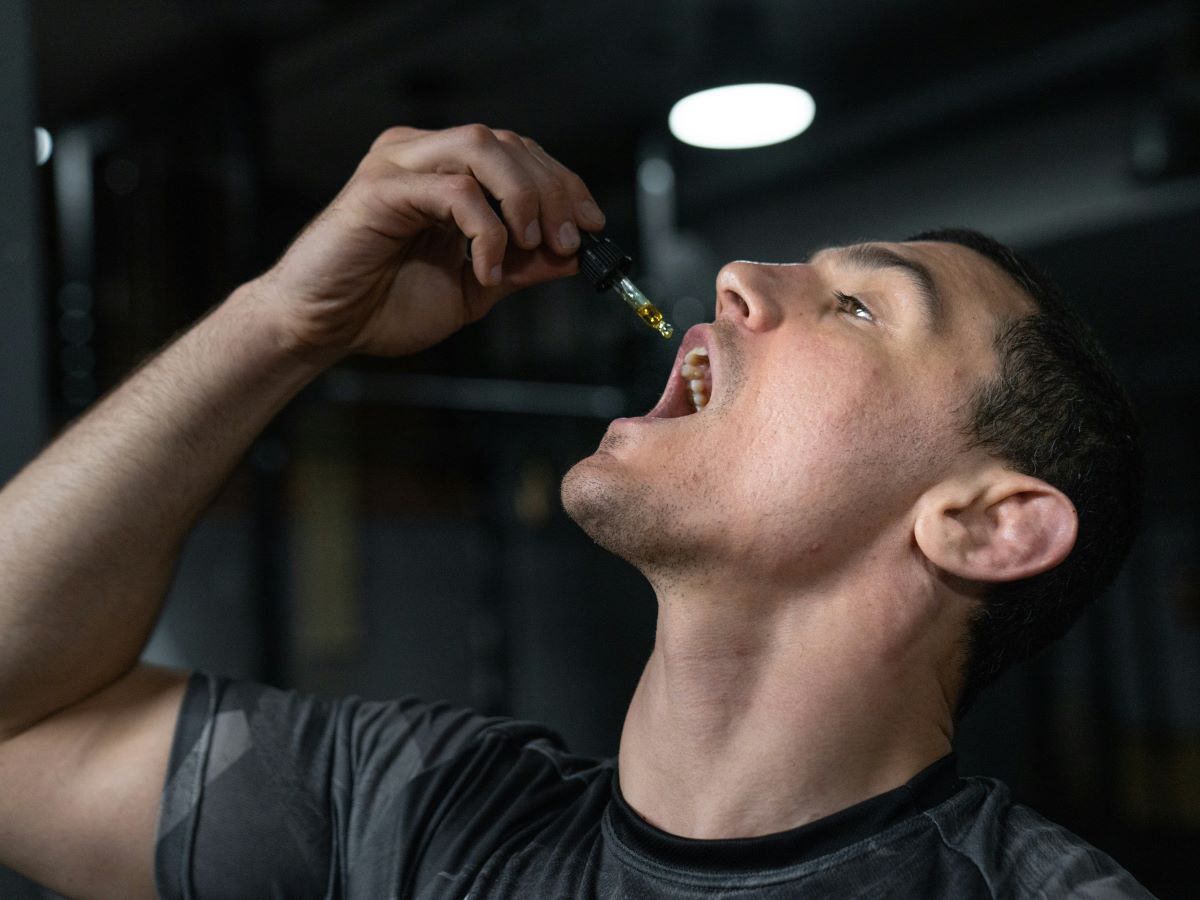
Edible or tincture preparations of Modified Bacon’s resin can produce a longer, heavier arc. Onset ranges from 30–120 minutes oral, with peak effects often between 2–4 hours and total duration up to 6–8 hours. New users should start low and go slow, beginning with 2.5–5 mg THC and adjusting in 1–2.5 mg increments. Experienced users often find their comfort zone in the 5–15 mg range for evening relaxation.
Potential Medical Uses and Evidence Context
Patients gravitate toward Modified Bacon for pain relief, stress reduction, and sleep support, applications consistent with THC-dominant, caryophyllene-forward chemotypes. THC has shown moderate analgesic effects in meta-analyses of chronic pain, with

