 Written by Ad Ops
Overview
Mimosa x Orange Punch Auto is an autoflowering hybrid developed by Barneys Farm, blending ruderalis, indica, and sativa heritage into a compact, fast-finishing plant with a bright citrus profile. It was engineered to deliver the tangy, fruit-forward character of Mimosa genetics alongside the creamy-orange depth of Orange Punch, while maintaining modern potency. In practical terms, that means vigorous growth, an upbeat effect, and harvest-ready flowers in approximately 65 to 75 days from germination.
Across reported grows, the strain typically reaches 70 to 110 cm indoors, with a medium-to-bushy structure that responds well to gentle low stress training. Indoors, experienced cultivators routinely cite yields of 450 to 600 g per square meter under optimized LED lighting. Outdoors, growers often report 80 to 150 g per plant in temperate climates, with higher returns in long, sunny seasons.
The citrus-dominant terpene bouquet drives a flavor profile heavy in limonene, supported by myrcene and beta-caryophyllene, with occasional flashes of ocimene and linalool. THC commonly falls in the 18 to 23 percent range for well-grown flowers, with CBD usually below 1 percent. The resulting experience is frequently described as clean and uplifting at low-to-moderate doses, becoming more relaxing and body-centered as dosage increases.
History
Barneys Farm created Mimosa x Orange Punch Auto in the early 2020s to meet demand for fast, flavorful autos with connoisseur-grade resin and modern potency. The goal was to compress the vibrant citrus punch of Mimosa-derived lines and the creamy orange of their Orange Punch into an easy 10 to 11 week seed-to-harvest window. Incorporating a stabilized autoflowering ruderalis donor allowed the line to flower independently of light cycles, a key requirement for reliable outdoor and compact indoor grows.
The project built on Barneys Farm’s ongoing work with Mimosa genetics, themselves descended from the famed Clementine x Purple Punch lineage. By stacking those traits with Orange Punch, the breeding team sought to enrich orange-zest terpenes while improving structural resilience and bud density. Several selection rounds reportedly focused on uniform internode spacing, trichome coverage, and terpene retention after drying and curing.
Autoflowering cannabis surged in popularity over the last decade as breeders refined ruderalis inputs, moving autos from novelty status to mainstream viability. According to seed-market sales snapshots shared by European retailers, autos can account for 40 to 60 percent of hobbyist purchases in some regions. Mimosa x Orange Punch Auto fits squarely into this trend, offering premium aromas and consistently strong yields without photoperiod management.
Barneys Farm positions the cultivar as a versatile all-rounder for contemporary growers who want flavor-forward buds quickly. The strain’s reputation has grown via social channels and community journals documenting 9 to 11 week cycles with high calyx-to-leaf ratios. For many hobbyists, this auto becomes a reliable citrus staple that runs multiple times per year without seasonal bottlenecks.
Genetic Lineage
Mimosa x Orange Punch Auto traces its ancestry to Mimosa-derived selections and Orange Punch, reinforced by an autoflowering ruderalis backbone. Mimosa lines are typically built from Clementine x Purple Punch genetics, merging tangy citrus terpenes with a sweet berry-grape undertone. Orange Punch from Barneys Farm is a compact, resin-heavy cultivar emphasizing orange peel aromatics and dense flower structure.
To make the line autoflower, breeders integrate a stabilized ruderalis donor into the photoperiod cross and then select progeny for consistent auto onset. This process can take multiple filial generations to fix flowering time and reduce reversion to photoperiod behavior. The result is a hybrid that reliably initiates bloom around day 21 to 28 from sprout under any light cycle.
Structurally, the genetic package leans indica in morphology while expressing a sativa-like terpene profile. Many phenotypes show short-to-medium internodes, sturdy lateral branches, and a central cola that swells quickly after week five. The ruderalis input is tuned to time-to-harvest and growth rhythm rather than dominating flavor or potency.
In practice, growers report a broad-but-balanced chemotype, with limonene-forward bouquets and THC regularly clearing 18 percent. The combination of Mimosa’s tang and Orange Punch’s creamy citrus can manifest as fresh orange, tangerine candy, and light tropical sherbet. Minor purple hues occasionally appear late in flower in cooler environments, a nod to Purple Punch ancestry within the family tree.
Appearance
In the vegetative stage, Mimosa x Orange Punch Auto typically presents medium-width leaves, a compact main stem, and symmetrical lateral branching. By the fourth week from sprout, plants often reach 25 to 35 cm and begin showing preflowers even under long-day lighting. Internodes stack tightly, building a solid frame for flower weight without requiring aggressive structuring.
During bloom, buds form as chunky, rounded clusters with high calyx density, often coalescing into a pronounced main spear. Trichome coverage is copious by week six of life, with resin heads visibly frosting sugar leaves and the upper third of fans. Hairs start creamy white and shift to light orange as maturity approaches.
Coloration ranges from lime to deep forest green, with occasional lavender flecking in cooler nights below 18°C late in flower. Sugar leaves stay relatively small, improving trim efficiency and bag appeal. Dried flowers cure down to firm, tacky nugs that resist easy compression, a sign of dense cell structure and strong resin production.
Aroma
The first impression is sharp citrus peel, reminiscent of freshly zested orange and tangerine. As the jar breathes, a sweeter layer emerges, like orange candy or sherbet, with faint vanilla cream. Subnotes can include mango rind, tropical punch, and a light herbal bite from myrcene.
Freshly ground flower intensifies the limonene-forward burst, which many users report peaking immediately upon cracking the grinder. Beta-caryophyllene adds a peppery warmth that supports the citrus high notes without overshadowing them. Some phenotypes reveal ocimene aromatics, lending a floral-sweet lift that reads as juicy.
Post-grind, the bouquet lingers in small rooms for 15 to 30 minutes, indicating a volatile terpene fraction that disperses quickly in air. Cured correctly at 58 to 62 percent relative humidity, the profile remains vivid for 8 to 12 weeks before tapering. Improperly dried buds may lose top-end zest within two weeks, illustrating the volatility of limonene and ocimene in particular.
Flavor
On inhalation, the palate is dominated by bright orange and tangerine, with a tart-sweet balance that is immediately recognizable. The mid-palate brings a creamy, almost vanilla-citrus character suggestive of Orange Punch heritage. Exhale tends to be clean, with a lingering candied orange note and a mild pepper tickle.
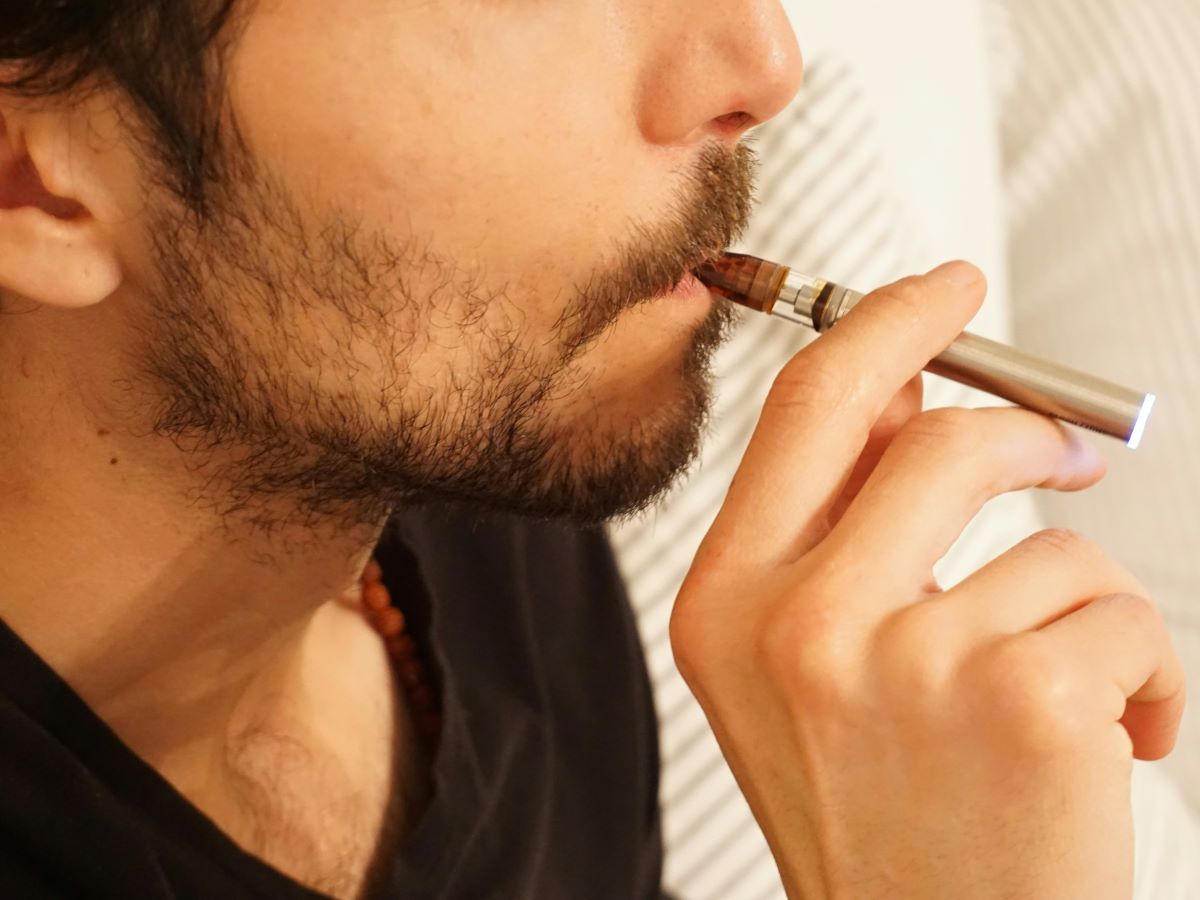
Vaporization at lower temperatures, around 175 to 185°C, accentuates the zesty citrus while preserving delicate florals. At higher temperatures, 195 to 205°C, the flavor skews warmer and spicier as beta-caryophyllene and other sesquiterpenes engage. Many users report that the best balance of sweetness and brightness emerges at a medium vapor temp around 190°C.
Aftertaste hangs pleasantly for several minutes, with the sweetest phenotypes leaving a sherbet-like impression. Water-cured or overly rapid-dried flowers can flatten into generic citrus, losing the creamy complexity. Proper slow dry and cure enhances depth and extends flavor stability across the first months in storage.
Cannabinoid Profile
Mimosa x Orange Punch Auto generally tests in the THC range of 18 to 23 percent under competent cultivation, with occasional outliers that exceed 24 percent. CBD is classically low in this chemotype, commonly between 0.1 and 0.6 percent. Total cannabinoids often register between 20 and 26 percent, reflecting dense trichome coverage and resinous calyxes.
Minor cannabinoids can contribute meaningful nuance despite low absolute values. CBG is often observed between 0.3 and 0.8 percent, while CBC may appear in the 0.1 to 0.3 percent window. Trace THCV has been reported in some citrus-dominant lines, though typically under 0.2 percent and highly phenotype dependent.
Potency is influenced by environmental control, light intensity, and post-harvest handling. For example, raising canopy PPFD from 500 to 800 µmol per square meter per second during bloom can increase total cannabinoid output by 10 to 20 percent, provided nutrition and CO2 are not limiting. Conversely, aggressive dry-room conditions above 25°C can accelerate terpene loss and marginally reduce perceived potency despite stable THC values.
Consistency across plants is good for an auto, especially in stabilized commercial seed lots. Reports from indoor growers running uniform conditions frequently show batch-to-batch THC variance under 2 percentage points. This reliability is one reason the cultivar has become a go-to choice for citrus lovers seeking predictable results.
Terpene Profile
The dominant terpene in Mimosa x Orange Punch Auto is usually limonene, often representing 0.6 to 1.4 percent of dry weight in well-cured flowers. Myrcene commonly falls in the 0.2 to 0.7 percent range, providing body and a soft herbal backdrop to the citrus top notes. Beta-caryophyllene typically ranges from 0.2 to 0.5 percent, contributing a gentle pepper warmth and engaging CB2 receptors.
Secondary terpenes may include ocimene at 0.1 to 0.3 percent, adding floral-sweet lift, and linalool at 0.05 to 0.2 percent for subtle lavender-citrus tones. Humulene appears in some phenotypes at 0.05 to 0.15 percent, offering woody dryness that keeps the profile from becoming cloying. Total terpene content often sits between 1.5 and 2.5 percent of dry weight under careful drying and curing.
Terpene expression is sensitive to environmental choices, especially late bloom temperatures and dry-room parameters. Keeping night temperatures around 18 to 21°C and maintaining a 60 percent RH slow-dry can preserve 15 to 30 percent more volatile terpenes compared with fast-drying at low humidity. Minimal handling and trimming at cooler temperatures further protect the most fragile monoterpenes.
Phenotypic variation exists, with some plants skewing sharply toward candied orange while others show a creamy, almost orange-vanilla twist. Stress, such as extended drought or nutrient swings, can blunt terpene richness by disrupting secondary metabolite pathways. Stable inputs and gentle finishing protocols yield the brightest, most complex citrus bouquet.
Experiential Effects
Most users describe an initial lift within minutes, characterized by mental clarity and a bright, upbeat mood. The citrus-forward terpenes may contribute to the perception of energy and motivation during the first hour. As the session progresses, a gentle body ease develops without heavy sedation at moderate doses.
At higher intake, the indica-leaning structure becomes more evident, producing a calm, weighted relaxation. The line rarely presents as racy when sensibly dosed, but susceptible individuals can experience transient edginess at the peak. Many report 2 to 3 hours of noticeable effect, with a clean taper and minimal grogginess.
Subjective reports often highlight functional daytime suitability in small amounts, particularly for creative work or light social activity. The balanced finish makes it workable for evening wind-down without abrupt crash. Pairing with caffeine can sharpen the uplift but may also increase overstimulation in sensitive users.
Common side effects include dry mouth and dry eyes, with occasional lightheadedness if consumed rapidly. Hydration and paced consumption mitigate most negatives. Novices are well served by two or three small inhalations spaced over 10 to 15 minutes to assess response.
Potential Medical Uses
The limonene-dominant profile aligns with anecdotal reports of mood elevation and stress mitigation. Users coping with low motivation or situational blues often find the early uplift helpful without overwhelming sedation. Beta-caryophyllene’s CB2 affinity suggests potential for moderating inflammatory discomfort alongside the strain’s gentle muscle ease.
Mild-to-moderate pain and tension are common targets, with users citing relief in the 2 to 3 hour window post-consumption. The strain’s clean taper may benefit those who want to remain functional after symptom relief. Myrcene’s relaxant qualities can enhance perceived body comfort without a couch-lock reputation at typical doses.
For appetite and nausea, citrus-forward chemotypes sometimes perform well, aiding pre-meal priming and settling the stomach. Individuals dealing with daytime fatigue may appreciate the initial clarity phase, though timing intake to avoid late-day stimulation is advisable. Vaporization at moderate temperatures can be gentler for sensitive lungs while preserving therapeutic terpenes.
This is not medical advice, and responses vary widely by individual and condition. Patients should consult a qualified clinician, especially if using cannabis alongside other medications. Starting low and titrating slowly improves the chances of achieving benefits with fewer side effects.
Comprehensive Cultivation Guide
Germination and seedling: Start seeds in a light, well-aerated medium at 22 to 25°C with 65 to 75 percent RH. Most healthy seeds pop within 24 to 72 hours and show cotyledons within 3 to 5 days. Once true leaves appear, provide 300 to 400 µmol per square meter per second of LED light and maintain a gentle breeze to strengthen stems.
Transplanting and pot size: Autos prefer their final pot early to avoid transplant shock that can stunt growth and reduce yield. Common final containers are 11 to 18 liters for indoor grows, or 15 to 30 liters outdoors, with fabric pots supporting better root aeration. If transplanting, do so by day 10 to 14 at the latest and handle roots minimally.
Substrate and pH: A lightly amended, airy mix with 30 to 40 percent perlite or pumice promotes rapid root expansion. Aim for a pH of 6.2 to 6.8 in soil and 5.8 to 6.2 in coco or hydro. In coco, maintain a steady calcium and magnesium supply to prevent early mag deficiencies.
Nutrition and EC: Keep EC around 0.6 to 0.8 mS per centimeter in week one, rising to 1.2 to 1.6 in early bloom and peaking near 1.8 to 2.2 in late flower if the plant is hungry. Target a nitrogen-forward ratio in early growth and transition to higher phosphorus and potassium from week four onward. Watch leaf color and tip burn to fine-tune feeding; many autos prefer slightly lighter feed than photoperiod peers.
Light schedule and intensity: Autos thrive on 18/6 or 20/4 light schedules from start to finish, with 20/4 often driving faster metabolism. For indoor LEDs, begin around 300 to 400 µmol per square meter per second in seedling stage, 500 to 700 in early veg, and 700 to 900 in bloom canopy. Aim for a daily light integral of 35 to 45 mol per square meter per day during flowering to push yield.
Environment and VPD: Maintain 24 to 28°C by day and 20 to 22°C by night for vigorous growth. Relative humidity can start at 65 to 70 percent in early veg, drop to 55 to 60 percent by early flower, and finish at 45 to 55 percent to deter botrytis. Keep vapor pressure deficit around 0.8 to 1.2 kPa in veg and 1.2 to 1.5 kPa in bloom for optimal gas exchange.
Watering rhythm: Move from small perimeter waterings to full pot saturation as roots colonize the medium. A common cadence is every 2 to 3 days in fabric pots under strong light, adjusting for pot size and evaporation rate. Allow a modest dry-back while avoiding severe wilting, which can curtail growth in autos.
Training strategy: Use gentle low stress t

