 Written by Ad Ops
History and Naming
Mimosa Champagne is a contemporary hybrid developed by the Dutch breeder Female Seeds, a company known for stabilizing feminized lines for home growers and craft cultivators. The strain arrived during the ongoing wave of citrus-forward hybrids that surged in popularity after 2018, when Mimosa and other orange-zest varieties captured market share across North America and Europe. While Female Seeds emphasizes feminized stability and user-friendly cultivation, the brand also targets vivid aroma profiles, and Mimosa Champagne was clearly positioned to deliver a sparkling, party-ready bouquet alongside balanced hybrid effects.
The name is both playful and descriptive, signaling bright, brunch-style citrus layered over a subtly vinous or effervescent aroma reminiscent of sparkling wine. In product naming, the term Champagne is often used to cue crisp fruit notes and a refined finish, rather than implying any link to the protected French appellation. In practice, most retailers and growers who have encountered Mimosa Champagne describe it as a balanced indica/sativa hybrid that marries uplifting daytime clarity with a gently cushioned body feel.
As with many modern hybrids, Mimosa Champagne reflects the industry’s pivot toward cultivars that smell as good as they smoke, a response to consumer preference for terpene-rich profiles. Over the last five years, citrus-leaning flowers have consistently appeared among the top-selling categories in legal markets, with sales spiking during summer and holiday windows. Mimosa Champagne fits that niche with sensory complexity and a breeder pedigree that emphasizes uniformity and vigor in feminized seed form.
Genetic Lineage and Breeding Rationale
Female Seeds lists Mimosa Champagne with an indica/sativa heritage, indicating a balanced hybrid architecture rather than a strict indica- or sativa-dominant pedigree. The Mimosa name typically traces back to the Clementine × Purple Punch family popularized by Symbiotic Genetics, which is celebrated for orange-citrus terpenes and photogenic, resin-drenched flowers. While Female Seeds has not publicly cataloged the complete parental cross for Mimosa Champagne, the profile strongly suggests a Mimosa-derived selection paired or selected to highlight bright esters and a crisp, 'sparkling' finish.
In cannabis nomenclature, Champagne is commonly applied to phenotypes that present tart citrus, white-grape, or green-apple nuances, often underpinned by limonene, ocimene, and farnesene. Breeders use such naming to communicate the organoleptic experience without divulging proprietary parent lines, a common practice in competitive markets. Given Female Seeds’ focus on reliable feminized seed stock, it is likely that Mimosa Champagne was stabilized through multi-generational selection targeting uniform internode spacing, consistent terpene expression, and resin density.
From a grower’s perspective, the expected phenotype expression falls into a 50/50 to 60/40 sativa-leaning hybrid range. That typically translates to medium stretch, robust lateral branching, and a flowering time in the 8–10 week window for indoor cultivation. The rationale behind such a cross or selection is clear: capture the energetic uplift and citrus zest of Mimosa while refining structure and finish into a versatile, high-terp craft flower.
Appearance: Plant Structure and Finished Buds
In vegetative growth, Mimosa Champagne usually presents as a medium-height plant with symmetrical lateral branching and strong apical dominance that responds well to topping. Internodes tend to be moderate in length, allowing for a full, well-lit canopy when trained under a screen of green. Fan leaves often appear a healthy medium green with occasional lime hues, particularly in high light and optimized nitrogen regimes.
During flowering, the strain stacks dense, golf-ball to egg-shaped colas that are heavily glazed with glandular trichomes. Calyxes swell noticeably after week six, and stigmas transition from pale peach to vivid tangerine before ambering late in the cycle. Anthocyanin expression is possible in cooler night temperatures, manifesting as lavender or plum highlights against the lime-to-emerald bracts.
Cured buds are typically compact, with sharp, crystalline trichome coverage that creates a sugared look under direct light. Expect vibrant orange pistils threading through calyx clusters and, in some phenotypes, faint purple sugar-leaf tips. When broken apart, the flowers reveal a sticky resin pull and a layered citrus aroma that escapes the jar immediately.
Aroma (Bouquet)
Mimosa Champagne opens with a high-key blast of sweet orange zest and mandarin, quickly followed by airy notes of white grape and green apple. Underneath, there is often a gentle floral sweetness that suggests honeysuckle or chamomile, a quality that tends to intensify as the flowers cure. The overall effect is 'sparkling' in tone, evoking the brightness and lift associated with freshly poured mimosas.
On deeper inhalation, subtle herbaceous and woody tones can emerge, pointing to minor amounts of alpha-pinene and humulene. Some phenotypes layer a faint vanilla wafer or pastry hint, particularly after a slow cure in the 58–62% relative humidity band. Grind releases a more pungent citrus-peel bitterness that rounds the sweetness and increases complexity, a hallmark of limonene-forward cultivars.
As the jar ages, the bouquet can pivot slightly toward candied orange and ripe stone fruit, particularly if stored in cool, dark conditions that preserve volatile monoterpenes. Proper curing enhances the wine-like lift, adding a delicate fizz-like perception to the nose even though the plant contains no carbonation. Overall, the aroma footprint is assertive yet refined, making it a standout in mixed tastings and blind evaluations.
Flavor and Mouthfeel
The first impression on the palate is a clean, juicy citrus—think freshly zested orange with a squeeze of tangerine. That brightness is balanced by a crisp, white-grape note that lands mid-palate and lingers into the finish as a light, vinous sweetness. In well-grown batches, a cooling herbal tone emerges on exhale, adding structure without muting the fruit.
Combustion at lower temperatures or through a clean vaporizer preserves the orange and grape top-notes, while hotter burns tilt toward caramelized peel and grapefruit pith. The mouthfeel is smooth when properly flushed and cured, with a faint effervescence sensation that justifies the Champagne moniker. A well-executed slow cure often yields a pastry-like undertone—subtle vanilla or wafer—that rounds the acidity and invites repeat sips.
Aftertaste trends toward citrus creamsicle with a delicate bitter zest that cleans the palate rather than cloying it. Paired with sparkling water or light tea, the flavor remains vivid across multiple pulls without collapsing into monotone sweetness. The balance of sweet, tart, and clean herbal makes Mimosa Champagne a crowd-pleasing choice in social settings.
Cannabinoid Profile
As a modern hybrid derived from citrus-forward genetics, Mimosa Champagne is commonly reported in the mid-to-high THC band. In markets where comparable Mimosa-family cultivars are tested, THC frequently clusters around 18–24% by weight, with top-tier, dialed-in phenotypes occasionally surpassing 25%. CBD typically remains minimal, often below 0.5%, while total minor cannabinoids such as CBG may contribute 0.5–1.5% depending on selection and cultivation variables.
It is important to remember that cannabinoid content is not fixed and can swing notably with environment, nutrition, and harvest timing. Variability of ±3 percentage points in THC is not unusual across different grows of the same cut, and dried flower moisture content can also influence lab-read percentages. Because labeling practices differ by jurisdiction and lab methodology, consumers and patients should reference a current certificate of analysis (COA) for batches they intend to use.
For extractors, the strain’s resin density makes it a candidate for hydrocarbon or rosin processing, where total cannabinoid concentrations in finished extracts can exceed 60–75% THC for solventless and 70–85% THC for hydrocarbon, depending on process. Native terpenes tend to survive best under gentle extraction conditions, improving the perceived potency and entourage character. For flower consumers, the combination of bright terpenes and moderate-to-high THC often reads as potent yet functional when dosed appropriately.
Terpene Profile and Minor Volatiles
Sensory analysis and grower reports consistently place limonene at or near the top of Mimosa Champagne’s terpene stack. Limonene is frequently accompanied by beta-caryophyllene and myrcene, creating a sweet citrus core with a warm, peppery, and slightly musky frame. Secondary monoterpenes like ocimene and alpha-pinene contribute the 'sparkling' lift and crisp herbal edges that evoke white grape and green apple.
Across well-grown samples, a plausible terpene distribution might show limonene in the 0.5–1.5% range by weight, beta-caryophyllene around 0.3–0.9%, and myrcene near 0.2–0.8%. Ocimene and alpha-pinene commonly present at 0.1–0.5% each, while linalool, humulene, and farnesene populate the trace-to-minor band. These ranges are typical for citrus-leaning hybrids and can be influenced by lighting intensity, root-zone health, and post-harvest handling.
Beyond terpenes, minor volatile esters and aldehydes may add a wine-like nuance, though their concentrations are low and lab panels often focus on terpenes. Curing practices strongly modulate the final volatile profile, with slow, cool cures preserving monoterpenes and minimizing terpene oxidation to less fragrant derivatives. For cultivators targeting a premium aromatic outcome, keeping cure-room temperatures around 16–18°C and RH at 58–62% can help maintain the brighter monoterpenes responsible for the strain’s signature bouquet.
Experiential Effects and Onset
Mimosa Champagne is best described as a balanced hybrid with a slightly uplifting tilt, reflecting its indica/sativa heritage from Female Seeds. The initial onset is typically felt within minutes when inhaled, delivering bright mood elevation and mental clarity that users often associate with daytime-friendly strains. Physical sensations tend toward lightness in the shoulders and a gentle easing of background tension without immediate sedation.
As the session unfolds, a comfortable body presence sets in, guided by caryophyllene and myrcene’s grounding influence. This second phase usually arrives around the 20–40 minute mark, preserving focus while softening physical edges. The overall arc, from lift to cruise, often lasts 2–3 hours for inhaled routes, depending on individual tolerance and dose.
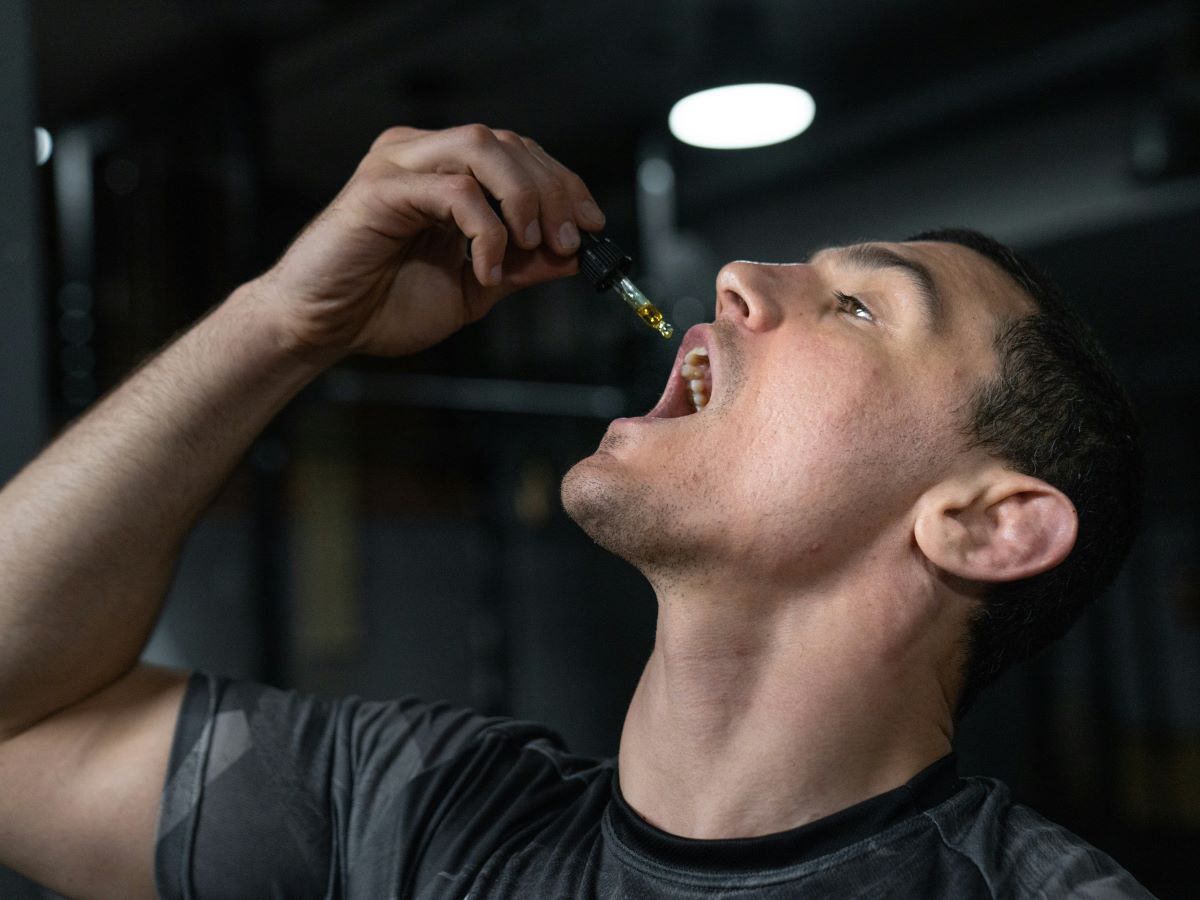
Dose size strongly shapes the experience. Lower doses accentuate citrusy, social alertness and may pair well with creative tasks or conversation, while higher doses emphasize tranquil body effects that can be helpful for end-of-day decompression. Edible or tincture routes add a delayed onset of 30–120 minutes, with a longer plateau and potentially heavier body feel, so titration and patience are advisable.
Potential Medical Uses and Considerations
Nothing in this article is medical advice, and patients should consult qualified clinicians, particularly when using cannabis alongside other medications. With that said, the limonene-forward profile and balanced hybrid structure make Mimosa Champagne a candidate for daytime mood support in some users. Limonene has been studied for anxiolytic and antidepressant-like properties in preclinical models, and caryophyllene’s CB2 agonism may contribute to modulation of inflammatory signaling.
Anecdotally, users report that this strain’s clear-headed onset can help with motivation, situational stress, and light fatigue without compromising functionality. The mild body component may assist with tension-type headaches, low-grade musculoskeletal discomfort, or post-exercise soreness. Individuals sensitive to high-THC cultivars should start low, as citrus-heavy terpene stacks can feel subjectively potent when combined with 18–24% THC.
For those managing appetite or nausea, the bright terpene profile may encourage eating and reduce queasiness in some cases, though responses are highly individual. Inhalation offers rapid onset that can be valuable for breakthrough symptoms, while tinctures may provide steadier coverage over longer durations. Always verify batch-specific COAs to understand THC, CBD, and terpene content, and avoid grapefruit or CYP450-interacting medications without medical guidance, as cannabinoids and terpenes can participate in similar metabolic pathways.
Comprehensive Cultivation Guide
Difficulty and growth style. Mimosa Champagne is well-suited to intermediate growers and motivated beginners due to its balanced vigor, manageable stretch, and responsive training behavior. Indoors, it thrives in both soil and hydroponic systems, with a slight preference for well-aerated, biologically active media. Outdoors, it performs best in temperate to warm climates with low late-season rainfall to protect dense colas.
Germination and seedling phase. Feminized seeds from Female Seeds should germinate reliably within 24–72 hours at 24–26°C with a gentle moisture gradient. Use a mild starter solution at EC 0.4–0.6 and pH 5.8–6.0 (hydro/coco) or 6.2–6.5 (soil) to avoid nutrient burn. Maintain relative humidity at 70–75% with soft airflow, and target a seedling PPFD of 150–250 µmol/m²/s for compact, sturdy starts.
Vegetative growth parameters. In veg, maintain 22–28°C day temperatures and 60–65% RH with a VPD around 0.8–1.1 kPa to balance transpiration and growth. Feed at EC 1.2–1.6 in coco/hydro and keep soil media lightly enriched with balanced N-P-K plus calcium and magnesium. Increase light intensity to 350–500 µmol/m²/s and provide 18/6 or 20/4 photoperiods to accelerate node development.
Training and canopy management. Mimosa Champagne responds very well to topping at the 4th to 6th node, followed by low-stress training or a SCROG net to widen the canopy. Expect a 1.5–2.0× stretch post-flip, so aim for an even table of main colas before switching to 12/12. Lollipop the lower third of the plant in late veg or week 2 of flower to redirect energy to the top sites and improve airflow.
Transition to flower. Set initial bloom PPFD around 600–700 µmol/m²/s and gradually ramp to 800–1000 µmol/m²/s by week 4 if CO2 is ambient. With supplemental CO2 (900–1200 ppm), advanced growers can push 1000–1200 µmol/m²/s to increase yield and terpene synthesis, provided irrigation, nutrition, and temperature are dialed in. Maintain 24–27°C lights-on and 19–21°C lights-off, keeping RH 50–55% in early flower and 45–50% from week 6 onward.
Nutrient strategy in bloom. Switch to a bloom feed with moderate phosphorus and ample potassium while maintaining adequate calcium and magnesium to prevent tip-burn and interveinal chlorosis. Typical EC ranges 1.7–2.1 in coco/hydro during peak demand, with runoff checks to monitor salt accumulation. In soil, use a top-dress or liquid schedule that emphasizes K and micronutrients by week 3–4, and consider amino-chelated micronutrients for rapid uptake.
Watering and root-zone health. Keep wet/dry cycles consistent; in coco, aim for multiple small irrigations to 10–20% runoff daily, while in soil allow the top inch to dry before watering again. Root-zone temperatures around 20–22°C support robust uptake and discourage pathogens. Inoculate with mycorrhizae at transplant and consider beneficial bacillus species to help suppress pythium and fusarium in humid environments.
Terpene preservation tactics. For maximal aroma, avoid excessive nitrogen past week 4 of flower and keep night temperatures 3–5°C lower than day temperatures. Gentle environmental swings encourage anthocyanin expression in susceptible phenotypes without stressing plants. Avoid aggressive defoliation late in bloom; instead, do a tar

