 Written by Ad Ops
Potency has long dominated the cultural story around cannabis. Highest THC. Strongest edible. Most intense experience. But in legal markets over the past five years, a countermovement has emerged that is, in some ways, more sophisticated than anything that came before it: microdosing.
Microdosing cannabis, or consuming doses far below the threshold that produces noticeable intoxication, is now one of the fastest-growing consumption trends in legal markets. Tech workers, athletes, medical patients, and cannabis-curious beginners are all arriving at the same discovery: that less, used intentionally, can do more than more, used carelessly.
This guide covers the science, the practice, the best strains, and how to build a sustainable microdosing protocol.
What Is Microdosing?
In cannabis, a microdose is typically defined as 1–5 mg of THC, a dose at or below the threshold for most adults to experience perceptible intoxication. For reference, a standard dose is typically considered 10mg THC (the amount in one regulated edible in most US markets). A full recreational dose for an experienced user might be 20–50 mg.
The goal of microdosing is not to feel high. The goal is to access specific subperceptual benefits, improved mood, reduced anxiety, mild pain relief, enhanced focus, or general well-being, without impairing cognition or function.
The underlying premise is pharmacological: many of cannabis's therapeutic effects appear to follow a biphasic dose-response curve. Low doses produce one set of effects (anxiolytic, anti-inflammatory, focus-enhancing). High doses can produce opposite effects, such as anxiety, cognitive impairment, and paranoia. The "sweet spot" for many users is significantly lower than conventional use would suggest.
The Science Behind Low-Dose Cannabis
Research on cannabis microdosing is still early but increasingly compelling.
A 2019 study published in Psychopharmacology found that low doses of vaporized THC (approximately 7.5 mg) reduced participants' ratings of negative mood and improved their performance on tasks requiring creativity and cognitive flexibility. Higher doses (12.5 mg) did not improve performance and in some cases impaired it.
Studies on pain management have shown similar patterns. A 2012 study of cannabis in people with neuropathic pain found that medium doses (medium THC concentration) worked best, while high doses caused more side effects without giving more benefit.
The endocannabinoid system (ECS), which cannabis compounds interact with, operates on a principle of homeostasis or balance. Too much THC can throw that balance off; low doses of gentle, targeted stimulation may work with the system instead of against it.
CBD's role in microdosing: Many experienced microdosers include CBD in their protocol, either through a 1:1 ratio product or by using a CBD-forward strain. CBD's anxiolytic properties appear to operate even at very low doses and can buffer any mild anxiety that even sub-threshold THC may produce in sensitive individuals. See our breakdown of cannabinoids in the beginner's strain guide for more on how THC and CBD interact.
Who Microdoses Cannabis?
The microdosing audience is broader and more diverse than cannabis's traditional user base:
Medical patients managing chronic conditions who need to function fully during the day, working professionals with anxiety, people managing ADHD or depression, and patients with fibromyalgia or IBD who need ongoing symptom management without impairment.
Beginners who are cannabis-curious but afraid of an overwhelming experience. Microdosing eliminates most of the risk of overconsumption that makes first-time experiences unpleasant.
Tolerance breakers — experienced users whose tolerance has built up to the point where normal doses no longer produce therapeutic or enjoyable effects. Microdosing for several weeks can reset tolerance and restore sensitivity.
Performance-oriented users — creatives, athletes, writers, programmers, and others who have found that a very low dose improves their flow state or creative output without impeding judgment or safety.
Microdosing Methods: Which Delivery Method Works Best?
Not all consumption methods are equally suited to microdosing. Here's a breakdown:
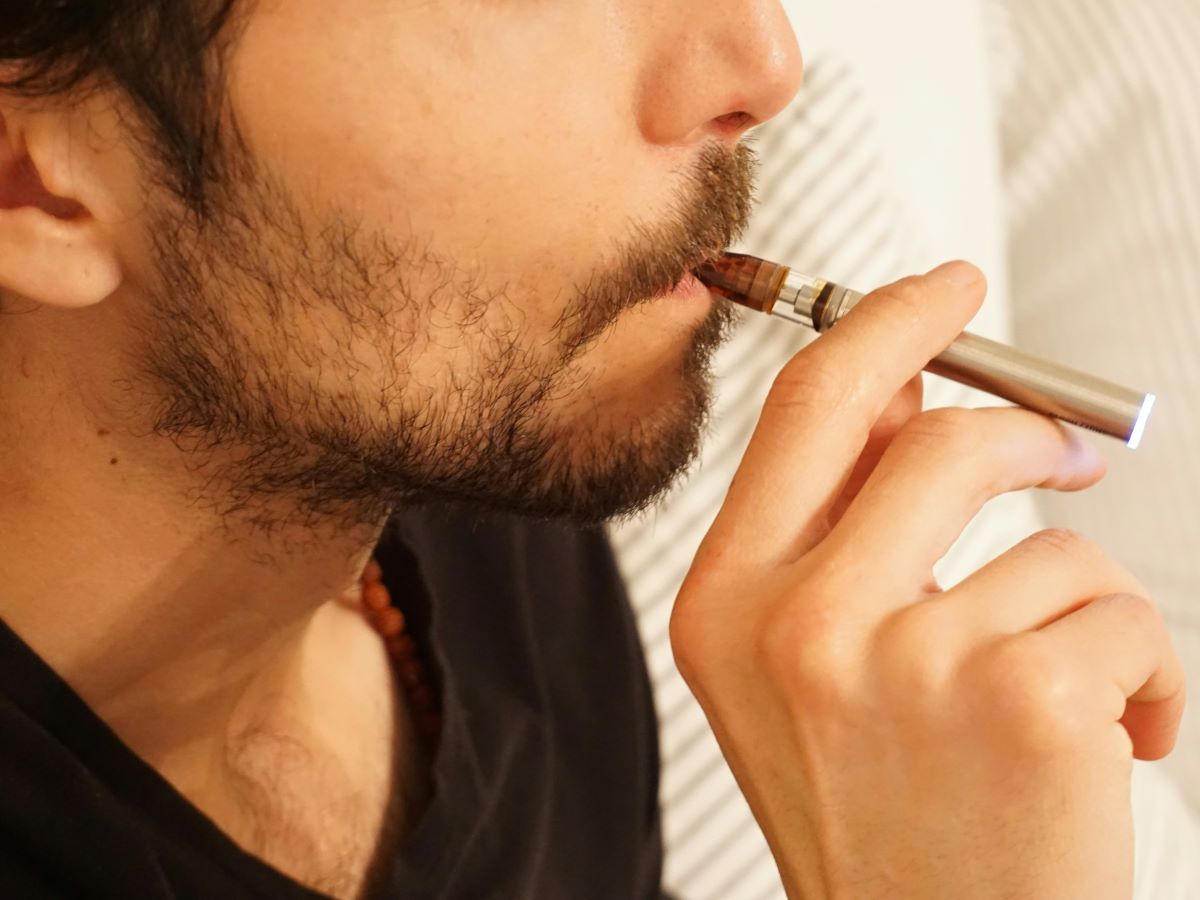
Vaporizing Flower
Best for: Precise, fast-feedback microdosing
Why it works: A single, measured puff from a calibrated dry-herb vaporizer delivers approximately 1–3 mg THC, with onset in under 5 minutes and a clear peak at 15–20 minutes. This rapid feedback loop makes flower vaporization the best method for learning your personal threshold. Look for strains with lower THC (14–18%) and strong terpene profiles; the terpenes stay fully active at the low doses where isolated-cannabinoid products lose their nuance. Strains like American Skunk Selection and moderate-THC balanced hybrids are well-suited.
Low-Dose Edibles
Best for: Sustained, consistent all-day microdosing
Why it works: 2.5mg THC edibles are now widely available in most legal markets (often called "low-dose" or "microdose" products by manufacturers). They provide 4–8 hours of gentle effect with no acute onset peak, making them ideal for daily wellness use. The challenge is the delayed onset (30–120 minutes). Patience is non-negotiable. Some users take a 2.5mg edible in the morning and another at mid-afternoon.
Important warning: Even at microdose levels, edibles produce 11-hydroxy-THC in the liver, which is more potent and longer-lasting than inhaled THC. Some individuals are highly sensitive to oral cannabis even at low doses. Start at 1–2.5 mg and give a full 2 hours before assessing.
Tinctures
Best for: Precise, repeatable dosing
Why it works: A calibrated dropper delivers exactly 1 mg, 2.5 mg, or 5 mg per dose with consistent accuracy. Sublingual absorption (under the tongue) produces onset in 15–30 minutes with a similar duration to edibles. A 1:1 THC:CBD tincture at 2.5mg THC per dose is one of the most popular and medically studied microdosing formats.
Smoking
Not ideal for microdosing — combustion is imprecise and destroys terpenes. It's possible, but a single puff from a well-calibrated vaporizer is a more reliable tool.
Best Strains for Microdosing
The ideal microdosing strain has a moderate THC ceiling (not the highest-potency cultivars on the shelf), a rich and intact terpene profile, and ideally some CBD content to buffer anxiety. Here are strong candidates from the JointCommerce catalog:
For Focus and Creativity
Green Crack — One of the most consistently cited focus strains in dispensary culture. At a microdose (one small vaporizer pull), it provides limonene and terpinolene-driven mental clarity and mild energy without the racing heartbeat or anxiety that full doses can produce in sensitive users. Ideal for creative work sessions.
Blue Dream — The best-selling strain in the US for over a decade for a reason. Its balanced sativa-leaning hybrid genetics, moderate THC ceiling, and reliable effect profile make it exceptionally microdose-friendly. A single puff from a dry-herb vaporizer produces a gentle mood lift and creative openness that scales predictably.
Trainwreck — At sub-threshold doses, the sativa-dominant genetics deliver focus and mild euphoria without the cerebral intensity that gives the cannabis strain its name at full doses. Its terpinolene-forward profile makes it particularly compelling for creative microdosers.
For Anxiety and Mood
OG Kush—Counterintuitively, one of the most anxiety-prone strains at full doses can be one of the most calming at microdose levels. OG Kush's caryophyllene content provides anxiolytic effects through CB2 receptor activity even at low THC doses. Microdosers managing generalized anxiety report consistent, reproducible benefits.
Sour Diesel—Another paradox: the strain that produces the most energetic, sometimes-anxious effect at full doses becomes a mood-stabilizing, focus-enhancing microdosing tool at 1–2 mg THC. Its limonene dominance is well-documented for mood elevation.
For Pain and Inflammation
Bandaide Haze—Sativa-dominant strains are generally better microdosing candidates for daytime pain management. Bandaide Haze's caryophyllene profile provides anti-inflammatory benefit even at sub-threshold THC doses, allowing patients to manage pain throughout the day without impairment.
Rollin 88—Its unusually consistent terpene variance (less than 5% batch-to-batch) makes it a reliable microdosing tool for pain patients who need predictability. The linalool component also helps with the anxiety and mood disruption that often accompanies chronic pain.
For a full breakdown of how terpenes in these strains produce specific effects, see our complete guide to cannabis terpenes.
How to Build Your Microdosing Protocol
There is no universal microdosing protocol. But there is a framework that works:
Week 1: Find Your Threshold
Start with 1–2 mg THC via vaporized flower or a calibrated tincture. Wait 30 minutes (flower) or 90 minutes (tincture/edible). Assess on a 1–10 scale: energy, anxiety, pain level, mood, and cognitive clarity. Document in a simple journal or notes app.
If you feel nothing perceptible at 1–2 mg, increase to 2.5–3 mg the next day. Continue until you find the dose at which you notice a very slight shift — a mild brightening of mood, slightly reduced pain perception, or slightly improved focus — without feeling high.
That is your microdose threshold. Stay at or just below it.
Week 2–4: Establish a Rhythm
Microdosing works best with structure. Common protocols:
Daily morning microdose — 2.5–5mg THC (edible or tincture) taken with breakfast. Effects persist through the morning and into early afternoon.
As-needed vaporization—One to two pulls from a dry-herb vaporizer during creative or work sessions, treating it more like a cup of coffee than a recreational activity.
Every-other-day—Used by some to prevent tolerance buildup while maintaining consistent therapeutic access.
Tolerance Management
Even at microdose levels, THC tolerance builds. Most microdosers find that taking 2 consecutive days off per week (commonly Friday and Saturday, or alternating days) maintains sensitivity. Some prefer a monthly 3–5 day tolerance break. The goal is to keep your threshold dose as low as possible so that the minimum effective dose remains genuinely minimal.
Tracking What Matters
Keep a simple log:
- Strain or product name
- Dose (in mg)
- Consumption time
- Effect onset
- Duration
- Effect rating (pain, anxiety, focus, mood — whichever applies)
- Any negative effects
After 4 weeks of consistent logging, you'll have a personalized data set that's more valuable than any generic guide, including this one.
Common Microdosing Mistakes
Impatience with edibles. The most common microdosing disaster is taking a 5 mg edible, feeling nothing after 45 minutes, taking another, and then feeling both effects simultaneously. Always wait the full 90–120 minutes before reassessing with oral cannabis.
Using high-potency flower for microdosing. If your strain is 28% THC, even a single short vaporizer pull delivers more THC than intended. Choose strains in the 14–18% range for vaporized microdosing.
Inconsistent products. Untested flower or variable brands make reliable microdosing difficult. In legal markets, use products with COAs and consistent lab results. See our guide to reading dispensary menus for how to evaluate product quality before purchasing.
Expecting immediate results. Some of microdosing's benefits — particularly for anxiety, inflammation, and mood — are cumulative. A 2-week consistent protocol may show more benefits than any single session.
Not tracking anything. Memory is unreliable. Log every session.
Is Microdosing Right for You?
Microdosing is particularly well-suited for:
- People who want therapeutic benefit without intoxication
- Beginners learning their response to cannabis
- Medical patients managing daytime symptoms who cannot afford cognitive impairment
- Experienced users who have built high tolerance and want to reset
- Anyone who has had negative experiences with cannabis and believes it "isn't for them"; often, those negative experiences were simply too much, too fast
It is less suitable for people who mainly want recreational intensity, those who need immediate heavy sedation (high-dose use is more effective for acute severe pain or serious insomnia), or those in places where any cannabis use is legally prohibited.
Find the Right Products for Microdosing Near You
Quality licensed dispensaries offer the best microdosing products, which are consistent, well-tested, and clearly labeled. JointCommerce helps you find dispensaries near you with the product selection and staff expertise to support a real microdosing practice. Before you go, browse the strain guides for Blue Dream, OG Kush, Sour Diesel, and Green Crack to identify which terpene profiles match your goals.
Less is more. Used well, much less can be enough.
Disclaimer: This content is for informational purposes only and does not constitute medical advice. Cannabis laws vary by jurisdiction. Consult a qualified healthcare provider before beginning any cannabis regimen, particularly if you are taking other medications or managing a diagnosed condition.

