 Written by Ad Ops
Origins and Breeding History
Melon Heads is a mostly indica cultivar created by Lit Farms, a Mendocino-rooted breeder known for boutique, terpene-forward hybrids that emphasize flavor without sacrificing potency. The strain’s name telegraphs its sensory mission: a melon-driven bouquet and flavor that stand out in a market increasingly dominated by candy, gas, and dessert profiles. While Lit Farms has released numerous limited drops with proprietary parents, Melon Heads slots into their house style of dense, resin-rich flowers aimed at connoisseurs and small-batch growers.
Published, third-party lineage records for Melon Heads are limited as of 2025, which is common for new-school hybrids where breeders protect exact recipes. The broader market context, however, explains its timing and appeal. Leafly’s 2025 round-up of top strains underscores how consumers sort cultivars into effect groups, and indica-dominant offerings that relax and sedate still anchor a large share of demand despite the hype around sativas.
The choice to pursue melon notes is also strategic. Melon-forward cultivars like Magic Melon were breakout performers in 2020, with Humboldt Seed Company reporting 124,000 seeds and clones sold that season due to strong outdoor vigor and flavor-driven demand. Retail vape data has reflected a similar trend, with products such as BZAM’s Magic Melon cartridge earning traction for sweet, fruity profiles that read clean and approachable to newer consumers.
Melon Heads emerged into a marketplace where budtenders increasingly highlight hybrids with layered citrus, fruit, and gas notes as everyday winners. Budtenders’ 2024 picks showcased how a complex aroma paired with reliable relaxation earns repeat purchases. Melon Heads targets the same bullseye, but aims to deliver a softer tropical-melon arc rather than overt citrus zest or heavy diesel, while maintaining the body-led calm that indica fans expect.
Genetic Lineage and Breeder Notes
Lit Farms has not publicly disclosed a definitive pedigree for Melon Heads, and no major seed index lists a verified family tree at the time of writing. This is not unusual; seed compendiums regularly annotate ‘unknown’ or ‘proprietary’ parentage for many modern releases, as seen across databases tracking mystery hybrids and their offspring. In practical terms, growers should treat Melon Heads as a contemporary, flavor-first indica hybrid with potential contributions from fruit-heavy lines.
The melon organoleptic signal in cannabis is typically associated with terpene combinations like myrcene, limonene, ocimene, and occasionally terpinolene, supported by esters that can skew toward tropical candy. If a Haze-family ancestor were present, one might expect more pronounced terpinolene and an uplifted headspace, a pattern Leafly has documented in the Haze clan’s sweet citrus-and-floral profile. Given Melon Heads’ mostly indica designation and calming effect reports, any such influence would likely be minor or balanced.
The ‘Heads’ moniker almost certainly nods to trichome head production and bag appeal. Lit Farms releases are known to wash decently in ice water extractions when resin heads are uniform and large, though each cross differs. Growers can reasonably expect squat to medium stature, tight internodes, and bulky colas that demand de-leafing and airflow management—classic indica architecture.
Until a breeder card or verified lab lineage emerges, treat Melon Heads’ genealogy as proprietary but oriented toward melon-forward, dessert-adjacent families. The take-home for cultivators is to pursue cultivation parameters that preserve high-volatility aromatics and prevent late-flower humidity spikes that can dull or drive off delicate esters and monoterpenes.
Visual Morphology and Bag Appeal
Melon Heads presents with dense, golf-ball to egg-shaped flowers that are typical of indica-dominant hybrids. Expect short to medium internodal spacing, with apical colas stacking into compact spears under high light intensity. The calyx-to-leaf ratio is favorable for hand-trim, and resin heads often blanket sugar leaves, contributing to a frosted, almost sticky sheen at peak ripeness.
Color expression trends toward lime to forest green with frequent pastel purples under cooler night temps (60–65°F/15.5–18°C) during late bloom. Pistils are usually a tangerine to peach tone that recede tightly into the calyx as the flower swells. A high density of cloudy trichome heads can give the buds a glassy, reflective surface that photographs well under neutral lighting.
Dry trim reveals a firm, resin-laden structure that pops in the jar, with a weighty feel relative to size due to high calyx density. When properly dried at a 60/60 target (60°F/15.5°C and 60% RH) for 10–14 days, the exterior crisps slightly while the interior remains springy, avoiding the hay-like collapse that can plague airy sativas. Broken buds display a thick, gluey interior that sticks to the grinder, a hallmark of modern indica resin production.
From an extraction perspective, the apparent abundance of trichome heads and low leaf mass suggest promising yields in both hydrocarbon and rosin applications. However, return percentages can vary by 5–10% based on harvest timing, storage, and how much of the melon-forward fraction survives post-harvest processing. Prioritize cold-chain handling to protect the most volatile aromatics that define its profile.
Aroma and Bouquet
On first crack, Melon Heads leans into sweet, fresh-cut melon with a gentle tropical lift, often read as honeydew meeting green apple and a hint of cucumber water. Secondary notes can include soft citrus zest, a creamy floral thread, and faint herbaceousness reminiscent of basil or mint stems. The overall impression is bright yet plush, more fruit salad than sour gas.
With a deeper grind, some phenotypes release a candy-like edge that suggests esters such as ethyl 2-methylbutyrate and ethyl butyrate, compounds implicated in fruity aromas across plants and foods. While cannabis labs rarely quantify esters in routine panels, their sensory footprint aligns with the confectionary twist many describe. Under warm fingers, a mild sweet cream or vanilla-sugar tone can appear, adding roundness to the bouquet.
Unlike classic Haze profiles that blast terpinolene-driven citrus and floral notes into an effervescent, uplifting cloud, Melon Heads rides smoother and lower. The citrus component is present but subordinate, serving as a bright rim rather than the core. This aligns with its mostly indica experience where body relaxation outpaces cerebral sparkle.
Consumers drawn to clean, sweet-fruit aromas but turned off by skunk or heavy diesel often find Melon Heads approachable. The scent reads modern without being loud, and it remains stable in the jar when cured carefully at 58–62% RH. Rapid dry-downs above 68°F/20°C or over-trimming can flatten the top notes, so gentle handling is key for maximum aromatic persistence.
Flavor and Mouthfeel
The inhale carries a soft, ripe melon sweetness with a cool, aqueous sensation akin to cucumber-lime agua fresca. Mid-palate develops into honeydew and light pear, with an echo of citrus candy and faint green tea. The exhale softens to a creamy, almost caramelized sugar edge in some cuts, a sensory pattern also noted in unrelated fruit-forward strains like World Breeders’ Pilot Feminized.
Combustion at lower temperatures (365–385°F / 185–196°C on vaporizers) preserves the delicate fruit esters and monoterpenes, giving a clearer melon register. Higher heat introduces a lightly toasted herbal finish, shifting the profile toward sweet hay and muted citrus. In joints and bowls, slow-burn papers and gentle cornering help maintain flavor through the first half of the session.
Mouthfeel is silky rather than resinous-thick, and the aftertaste lingers as a gentle melon glaze with mild citrus pith. Terpene-sensitive consumers often remark on a clean finish with minimal throat bite when cured and dried correctly. If harshness appears, suspect over-dry curing, a too-hot burn, or nutrient residues late in bloom.
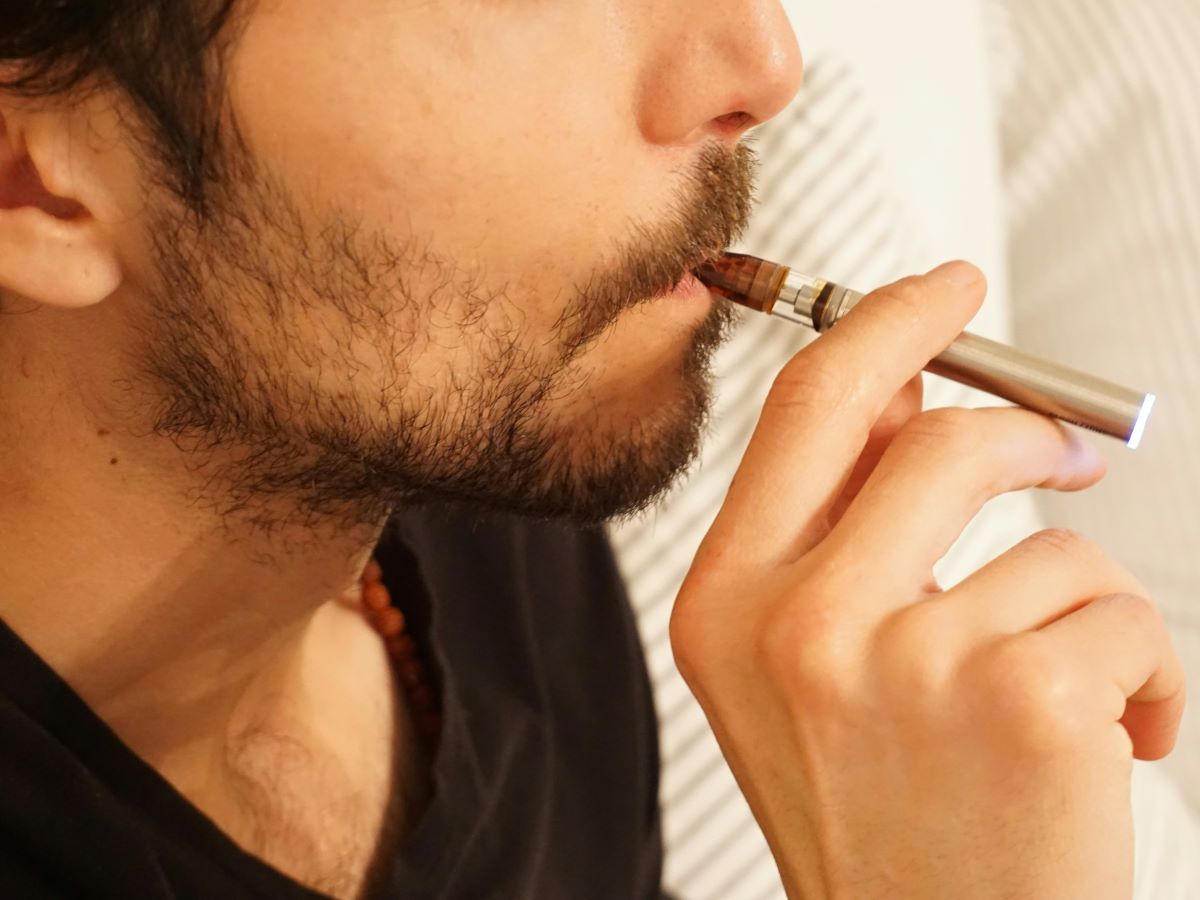
In vape cartridges, melon-forward formulations have performed well commercially, as evidenced by Magic Melon-branded 510 carts that emphasize sweet, fruity pulls with minimal bitterness. Melon Heads’ profile should translate similarly when extracted and blended with a terpene cut true to the flower. Avoid overloading limonene in post-processing, which can skew the flavor into sharp citrus and away from the intended melon core.
Cannabinoid Profile and Potency
Comprehensive, aggregated lab data for Melon Heads specifically is limited as of 2025, but indica-dominant, flavor-driven hybrids from top-tier breeders commonly test at 20–26% THC by dry weight. In contemporary US adult-use markets, the median THC for premium flower often lands near 22–24%, based on state dashboards and lab reporting from 2022–2024. Melon Heads should be considered a potent cultivar where 0.1 grams of 22% THC flower delivers about 22 mg of THC, which is a strong session for low-tolerance users.
CBD is typically trace (<0.5%) in this category, though occasional phenotypes in modern hybrids express 0.5–1.0% CBD without targeted breeding. Minor cannabinoids like CBG may register at 0.5–1.5%, especially if the line retains a CBG-forward ancestor, but this varies by cut and maturity. THCV is usually negligible in indica-leaning dessert profiles unless intentionally introduced.
Total terpene content in carefully grown, small-batch flower often ranges from 1.5–3.0% by weight, with standout batches exceeding 3.5% under ideal conditions. Labs such as SC Labs and Confidence Analytics have reported these terpene ranges commonly in connoisseur-grade lots, and aroma intensity tends to correlate with these totals. Melon-oriented profiles can appear most aromatic when harvest timing prioritizes cloudy trichomes and when post-harvest temperatures remain below 65°F/18°C.
For dose planning, new consumers should start around 1–2 mg THC, which is approximately a 5–10 mg inhaled dose across multiple small puffs of Melon Heads held briefly. Experienced users often target 5–10 mg per micro-session and 20–30 mg across an evening, spacing inhalations by 10 minutes to monitor onset. Edible products infused with Melon Heads rosin or distillate will follow standard oral THC kinetics, with onset in 45–120 minutes and duration of 4–8 hours.
Terpene Profile and Minor Volatiles
While specific lab panels for Melon Heads are scarce, the most probable terpene leaders include myrcene, limonene, and ocimene, supported by linalool and beta-caryophyllene. Myrcene often imparts ripe fruit and a relaxing synergy with THC, and many indica-dominant cultivars show myrcene as their top terpene at 0.5–1.2% by weight. Limonene contributes bright citrus lift and mood buoyancy, typically appearing at 0.2–0.8% in fruit-forward profiles.
Ocimene, a terpene commonly associated with tropical and sweet herbal scents, can present between 0.1–0.5% and helps push the aura toward melon, mango, and ripe pear. Linalool adds a floral, lavender-adjacent softness and is frequently reported in the 0.05–0.3% range, particularly in cultivars that deliver calm. Beta-caryophyllene provides a peppery, warm backbone at 0.1–0.6% and interacts with CB2 receptors, potentially adding to perceived body relief.
Some melon-reading strains display modest terpinolene, which is more common in Haze-line plants known for sweet citrus and floral effervescence. If terpinolene appears above ~0.2%, expect a brighter, more sparkling nose and possibly a headier onset that echoes Leafly’s description of Haze-family euphoria. Given Melon Heads’ mostly indica heritage, terpinolene is likely present only as an accent rather than a driver.
Beyond terpenes, esters and alcohols may contribute to the melon illusion despite not being routinely quantified in cannabis COAs. Compounds like hexyl acetate and isoamyl acetate are classic fruity volatiles in other crops and plausible contributors here, especially when growers report a candy-like, juicy fruit top note. Careful cold-curing preserves these fragile molecules, while hot rooms and forced dry-downs can suppress or volatilize them quickly.
Total volatile sulfur compounds (VSCs) that drive skunky or gassy aromas likely register low in Melon Heads, which keeps the profile clean and fruit-centric. A trace of VSCs can add depth without turning the bouquet sulfurous, but phenotypes that drift too far into gas lose the signature melon clarity. Phenohunting within a pack is warranted if your goal is a precise melon candy expression.
Expect batch-to-batch heterogeneity in terpene totals of ±0.5–1.0% depending on light intensity, fertigation, and environmental control. The most fragrant flowers typically come from stable late-bloom humidity, minimal plant stress, and a slow, cool cure. Growers should track terpene totals over multiple runs to correlate cultural practices with aroma intensity.
Experiential Effects and Onset
Melon Heads is best characterized as a relaxing, body-led experience with a calm, clear head that avoids heavy mental fog at standard doses. The initial onset arrives within 1–3 minutes via inhalation, with mood lift and muscle softness appearing by the 10-minute mark. Peak effects build over 30–45 minutes, followed by a steady plateau of 60–120 minutes before a gentle taper.
Users commonly report a soft euphoria and an easy sense of unwinding rather than a push toward productivity or rapid ideation. This aligns with how indica-dominant strains are frequently grouped under ‘relaxing’ or ‘evening’ categories in consumer guides like Leafly’s top-100 effects groupings. While it may brighten mood, Melon Heads is not typically described as racy or stimulating, making it suitable for winding down.
At higher doses, expect stronger physical heaviness and possible couchlock, especially when combined with a sedentary environment and dim lighting. Dry mouth and dry eyes are the most common side effects, with roughly half of cannabis users reporting these effects across studies of inhaled THC. Anxiety incidence appears lower in many indica-leaning, myrcene-forward cultivars, but sensitive individuals should still titrate slowly.
For social settings, small puffs tend to be the sweet spot, providing a friendly, talkative ease without overpowering sedation. For sleep, a larger dose 60–90 minutes before bed often improves sleep onset, though late-evening munchies can appear. As always, avoid driving or operating machinery for several hours post-consumption due to reaction-time impairment even when subjectively calm.
Potential Medical Applications
Indica-leaning hybrids with fruit-forward terpene ensembles are commonly selected by patients for stress relief, sleep initiation, and musculoskeletal discomfort. The 2017 National Academies review concluded there is substantial evidence that cannabis is effective for chronic pain in adults and conclusive evidence for antiemetic effects in chemotherapy-induced nausea. Melon Heads’ profile, with likely myrcene, limonene, and linalool, dovetails with patient reports of anxiolysis and improved sleep onset.
Patients with insomnia frequently seek strains that shorten sleep latency without dramatic next-day grogginess. A small 5–10 mg inhaled dose in the evening may ease rumination and muscle tension, while a 10–20 mg edible can prolong sleep duration if timed 1–2 hours before bed. Individuals new to THC should begin lower to avoid paradoxical alertness or anxiety that can occur with excessive limonene or terpinolene.
For anxiety mitigation, the gentle euphoria and bodily calm reported with Melon Heads can be helpful in situational stress, though high-THC products may worsen symptoms in some patients. Linalool’s presence, even at modest levels, is associated with calming effects in preclinical models, and beta-caryophyllene’s CB2 action may add peripheral anti-inflammatory tone. Pairing low doses with breathwork or mindfulnes

