 Written by Ad Ops
Introduction to Marley's Bud
Marley's Bud is a modern hybrid cultivar bred by Bulk Seed Bank, a European breeder known for stabilizing classic genetics and offering them at scale. As an indica and sativa heritage cross, it aims to balance body-centered calm with a clear, buoyant headspace. The name nods to reggae culture and a legacy of Caribbean cannabis, while the breeding approach reflects contemporary European hybridization. Enthusiasts seek it out for an even-keeled profile that can flex toward daytime creativity or evening relaxation depending on context.
In consumer markets, hybrid flowers like Marley's Bud dominate shelf space, commonly representing 55 to 70 percent of menu listings in North American dispensaries based on multiple state dashboards. That prevalence reflects versatility rather than mediocrity, as balanced cultivars are more adaptable to varied tolerance levels and routines. Reported user experiences for Marley's Bud lean toward contented mood elevation, manageable euphoria, and a gentle melt in the shoulders. The strain also earns praise for aromatic richness that suggests tropical and spice-laden ancestry.
While detailed lab aggregates specific to Marley's Bud are sparse in public databases, its breeder pedigree supports expectations of modern potency. Across regulated U.S. markets in 2023, median THC in tested flower hovered near 19 to 21 percent according to state-level reporting, and comparable hybrids frequently cluster in that band. Consumers typically describe this cultivar as strong enough for experienced users while still navigable for moderate tolerances. The emphasis is on rounded effects rather than a singular, overwhelming punch.
The strain’s character benefits from a complex terpene mosaic typical of contemporary hybrids. Expect a layered bouquet with sweet, herbal, and spice notes that translate cleanly to flavor. Growers and retailers often position Marley's Bud as a reliable house hybrid that performs consistently across batches. That consistency has helped cement its reputation as approachable yet engaging, suitable for social settings or reflective solo time.
History and Breeding Background
Bulk Seed Bank built its catalogue during the late 2000s and 2010s by curating and stabilizing lines rooted in iconic Dutch and global landrace-influenced cultivars. The Marley's Bud project fits that mold, pairing consumer-friendly potency with a sensory profile meant to evoke sun-kissed, island-adjacent aromatics. Bred as an indica and sativa hybrid, the aim was not maximal THC at any cost but a balanced chemotype that blends physical ease with mental lightness. That design choice aligns with market data showing broad consumer preference for smoothly layered hybrids over single-note sledgehammers.
The breeder’s approach tends to favor selections that are stable across multiple production cycles, an important factor for growers scaling from hobby to commercial operations. Consistency across seed lots reduces phenotype drift that can frustrate buyers who expect a repeatable experience. In industry terms, that translates to a narrower bell curve for height, aroma, and cannabinoid outputs than found in more experimental crosses. Marley's Bud has accordingly been positioned as a dependable catalogue entry rather than a fleeting hype drop.
Culturally, the Marley moniker has often been associated with upbeat, citrus-herbal sativa profiles and relaxed social uplift. The choice to blend indica and sativa influences seeks to retain that cultural vibe while improving modern resin output and trichome density. According to consumer trend reports, demand for strains that promise calm focus rather than couchlock has grown steadily since 2019. Marley's Bud slides into that demand band by offering neither racy stimulation nor heavy sedation but a middle-path experience.
As regulations tightened in various jurisdictions, standardized seed production and robust mother stock management became more important. Bulk Seed Bank’s European base positioned it to operate under quality controls and market to regions with maturing compliance frameworks. The strain’s diffusion benefited from this structure, entering both hobbyist circles and professional grows seeking a reliable hybrid. Over time, that distribution has supported a recognizable profile even when minor phenotype variation appears by batch.
Genetic Lineage and Heritage
Bulk Seed Bank identifies Marley's Bud as an indica and sativa hybrid, but the breeder has not publicly released a definitive parentage list. In practice, the cultivar presents as a balanced hybrid with hints of tropical sweetness, herbal depth, and spice, suggesting a blend of classic sweet-skunky backbones with brighter island-inspired highlights. Phenotypically, many lots lean slightly toward a broadleaf expression in structure while retaining the alertness associated with narrowleaf ancestry. That hybrid architecture helps explain its reputation for both comfort and clarity.
Without disclosed parents, lineage must be inferred from recurrent sensory and growth traits. The citrus-herbal overlay and peppery undertones are consistent with terpene combinations dominated by myrcene, limonene, and beta-caryophyllene. Those three terpenes are among the most prevalent across commercial cannabis, together often accounting for 40 to 70 percent of total terpene content in tested samples. Their ratio helps shape whether a plant reads as soothing, bright, or spicy, and Marley's Bud commonly balances all three.
Hybrid heritage also shows in bud structure and branching. Users frequently report medium density, conical flower clusters rather than extremely compact indica bricks or loose sativa spears. That middle-ground structure aids post-harvest handling by reducing susceptibility to compression damage during packaging. It also tends to preserve volatile terpenes better than ultra-loose structures that dry too quickly or ultra-dense structures that trap moisture.
From an experiential standpoint, the hybrid heritage positions Marley's Bud to serve multiple contexts. Consumers who prefer sativa-leaning engagement note conversational ease and sensory interest without jitter, while indica-inclined users appreciate the calm body backdrop. This dual appeal mirrors survey data showing that balanced hybrids score higher on versatility ratings than strongly polarized phenotypes. The result is a cultivar that can bridge preferences in mixed-experience groups.
Visual Appearance and Bud Structure
Marley's Bud typically produces medium-sized, conical flowers with a balanced calyx-to-leaf presentation. The buds present a variegated green palette ranging from olive to forest, with occasional anthocyanin expression yielding purple streaks under cooler finish conditions. Threads of vibrant orange to copper pistils weave through the canopy, lending attractive contrast for retail display. A generous frosting of capitate-stalked trichomes is readily visible, signaling robust resin production.
Trichome heads often appear bulbous and well-formed, a marker sought by concentrate makers even when the cultivar is marketed primarily as flower. Under magnification, a mix of clear and cloudy resin heads is typical at maturity, with amber appearing as plants are taken longer. The resin layer imparts a tactile stickiness that can cling to grinder teeth, often cited in customer reviews. That resin density correlates with the aromatic intensity noted at jar open.
Bud density lands in the moderate range where flowers hold shape but are not rock hard. This balance helps resist over-drying and mechanical stress during transport, reducing crumbling losses in dispensary handling. Internodal spacing tends to be even, supporting a symmetrical trim profile that looks good on shelves. Well-trimmed lots show defined contours rather than shaggy silhouettes.
Cured and properly stored flower displays a subtle sheen and a pliant feel rather than brittleness. Many retailers target moisture activity ranges that keep terpenes more stable and mouthfeel more satisfying, a factor customers perceive as freshness. Color retention improves when exposure to oxygen and light is minimized, preserving the deeper green and purple tones. Overall bag appeal is one of Marley's Bud's consistent strengths relative to similar-priced hybrids.
Aroma and Bouquet
Open a jar of Marley's Bud and the first impression is sweet herbal brightness layered over a soft earthy base. Notes of lemon zest or tangerine peel mingle with fresh-cut herbs, while a peppery tickle hints at caryophyllene presence. Secondary layers sometimes include mango-like roundness associated with myrcene and a faint pine thread linked to alpha-pinene. The bouquet is cohesive rather than chaotic, which helps it hold together from grind to finish.
On the grind, the aroma blooms with amplified citrus and a more distinct spice backdrop. Some batches lean toward a sugary, almost pastry-like top note that suggests interplay between esters and terpenes formed during curing. Others show a greener, basil and thyme register that reads especially fresh. Across lots, the core pattern remains an inviting citrus-herbal-spice triad.
Consumers often describe the scent intensity as moderate-high, strong enough to be noticeable without being overpowering. In retail terms, that profile performs well in small sniff jars where a quick open must communicate character. The scent tends to persist through the roll or pack, indicating relatively stable volatile compounds at room temperature. That stability is a hallmark of well-cured hybrid flower.
Environmental factors and curing style influence aromatic emphasis. Slow, attentive curing that avoids excessive heat preserves brighter limonene-driven notes, while slightly warmer finishing can tilt toward pepper and earth. Packaging choices such as nitrogen flushing or terpene-retentive liners also affect perceived intensity at sale. Marley's Bud rewards practices that protect its lighter citrus top notes.
Flavor and Palate
Flavor follows aroma with a bright opening accented by citrus oil and fresh herbs. The inhale often presents lemon-lime or sweet orange tones, quickly grounded by a soft earth cushion. As the palate evolves, peppery spice and a hint of clove may appear, especially at higher temperatures. The exhale is clean with a lingering herbal zest.
In combusted form, the smoke is typically smooth for a hybrid of modern potency. Consumers frequently mention minimal throat bite when the flower has been properly cured and stored. The mouthfeel is medium-bodied, offering satisfying presence without heaviness. Palate fatigue is low, making the cultivar suitable for social sessions.
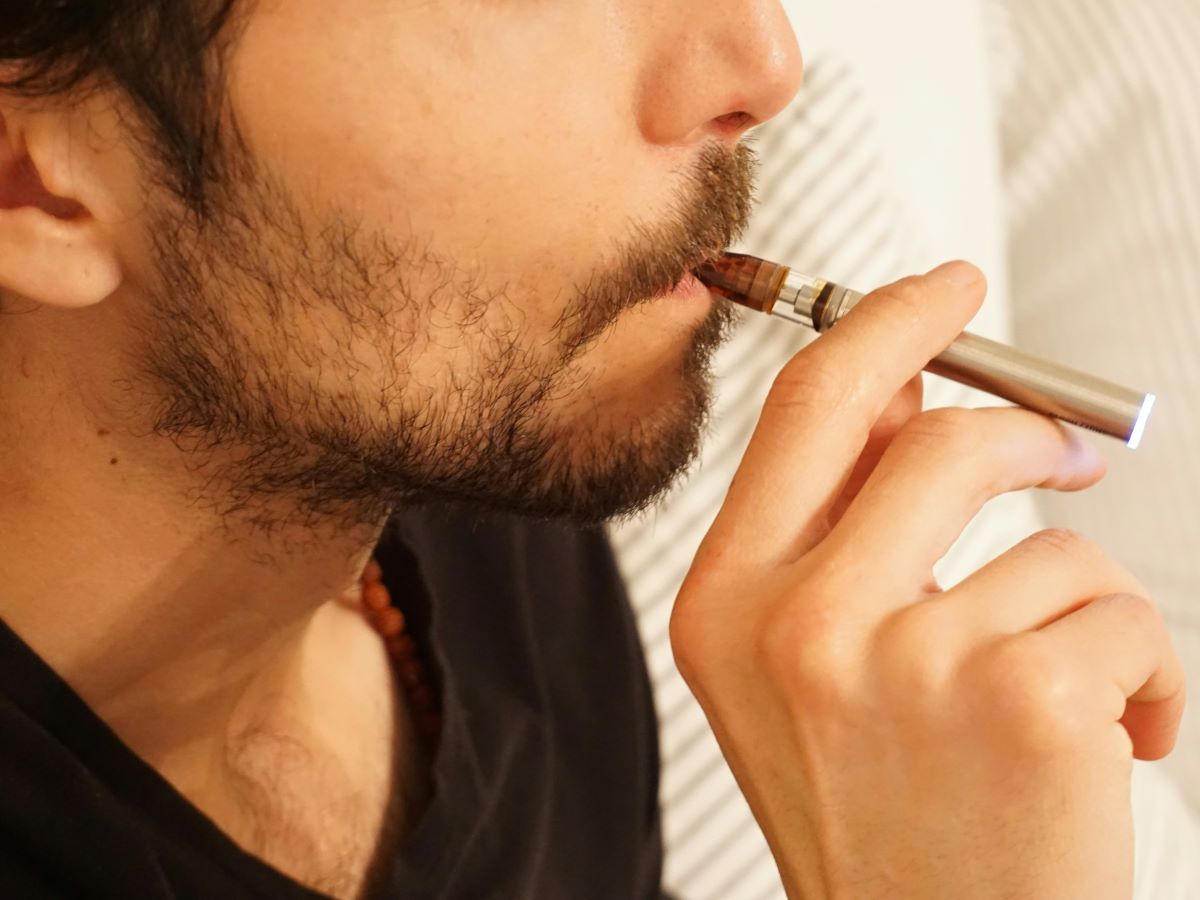
Vaping accentuates the citrus and green-herb spectrum, bringing out delicate sweet-lime and basil notes that can get lost in combustion. At lower device temperatures, the flavor leans zestier and more floral, while higher settings bring forward spice and a faint woody echo. This adaptability makes Marley's Bud a popular choice for flavor-focused vaporizer users. Flavor clarity remains a standout trait even across diverse devices.
Pairing the strain with beverages can highlight different aspects of its profile. Sparkling water with lemon amplifies the zesty top notes, while herbal teas draw out the green and spice layers. Light snacks such as citrus segments or mild cheeses avoid overwhelming the palate, preserving nuance. The overall experience is cohesive and refreshing rather than heavy or cloying.
Cannabinoid Profile and Potency
As an indica and sativa hybrid bred for contemporary markets, Marley's Bud is commonly reported as THC-dominant with low CBD. In regulated U.S. markets during 2023, median THC for tested flower across categories clustered between roughly 19 and 21 percent according to publicly available dashboards from states like Colorado and Oregon. Hybrids comparable to Marley's Bud frequently sit in the 18 to 24 percent THC window, with CBD often below 1 percent. Minor cannabinoids such as CBG and CBC tend to appear in trace to low single-digit percentages depending on phenotype and harvest timing.
Consumers experience potency as a function not just of total THC, but of the synergy between cannabinoids and terpenes. Research has shown that terpene context can modulate subjective intensity even at identical THC values, a phenomenon commonly discussed as the entourage effect. For Marley's Bud, the presence of myrcene and caryophyllene may soften the edges of THC-forward psychoactivity. That joint effect helps explain why users describe the high as concentrated yet gentle.
Dose-response remains highly individual, influenced by tolerance, set, and setting. Survey data from cannabis users consistently show wide variability in perceived intensity at the same labeled potency, with standard deviations that can span several points on common scales. Factors like inhalation depth and product freshness further shape outcomes. Accordingly, reported experiences for Marley's Bud emphasize balance more than raw punch.
For medical users, the low baseline CBD does not preclude therapeutic utility. THC remains a potent analgesic and antiemetic compound, while minors like CBG may contribute to anti-inflammatory effects. That said, individuals seeking a high-CBD chemotype would find Marley's Bud out of band and may prefer a different cultivar or a blended product. Accurate lab testing and clear labeling are essential for aligning expectations with reality.
Terpene Profile and Chemical Signature
While terpene content varies by phenotype and cultivation practices, Marley's Bud commonly presents a myrcene-limonene-caryophyllene triad. In many commercial hybrid flowers, those three molecules together account for a majority of total terpenes, often 40 to 70 percent of the terpene fraction by weight. Myrcene contributes to the mango-like roundness and soft earth, limonene adds bright citrus lift, and beta-caryophyllene brings peppery spice. Supporting roles from alpha-pinene, linalool, and humulene are periodically noted.
Citrus-forward batches suggest stronger limonene expression, which has been associated in human and animal studies with mood-elevating and stress-buffering effects. Pepper and clove tones point to caryophyllene, a unique terpene that binds CB2 receptors and is explored for anti-inflammatory potential. Myrcene is often implicated in the classic relaxing profile of many hybrids and indicas, with some research linking it to modulations of permeability and sedation in certain models. Pinene and linalool, when present, may add gentle clarity and floral calm.
Total terpene content in well-grown, well-cured flower often falls in the 1.0 to 3.0 percent range by weight in published lab datasets across multiple states. That variability reflects genetics, environmental conditions, harvest maturity, and post-harvest handling. For Marley's Bud, mid-range terpene totals are consistent with the vibrant yet not overwhelming aroma. Such composition complements THC-forward potency with rounded sensory cues.
Chemical signature matters beyond aroma, as terpenes can influence how effects are perceived. Users often report that limonene-leaning lots feel brighter and more social, while myrcene-forward expressions feel more body-centered. Balanced expressions deliver the characteristic even keel that defines the cultivar’s reputation. Chemical transparency via testing helps consumers select the sensory and experiential lane they prefer.
Experiential Effects and Use Cases
Marley's Bud is widely described as centering and upbeat, with a clean lift in mood and gentle physical ease. Early onset typically brings a soft wave of euphoria, social openness, and sensory interest. The body effect is present but not immobilizing, showing up as loosened neck and shoulder tension and a calm chest. The mental tone is clear for many users, avoiding heavy fog.
After the initial rise, the experience coasts into balanced relaxation that suits conversation, music, or creative nood

