 Written by Ad Ops
History
Majik Lemon Haze is a contemporary hybrid brought forward by SupraGenetics, a breeder known for dialing in terpene-forward cultivars with modern potency. Framed within the heritage of classic Haze lines, the project aimed to capture a sparkling citrus profile while preserving manageable plant architecture and reliable yields. The result is a lemon-dominant hybrid that threads the needle between daytime clarity and full-body satisfaction, reflecting its indica and sativa ancestry.
The rise of lemon-forward cannabis has been unmistakable across legal markets over the last decade. Lab dashboards in multiple states routinely show limonene among the top three terpenes detected, and citrus-dominant chemotypes can comprise 15 to 30 percent of tested flower in mature markets. SupraGenetics targeted this demand while avoiding the extended, unruly flowering behavior common to old-school Hazes, which historically can exceed 80 to 100 days indoors.
Breeding programs that produce stable, commercial-ready hybrids often screen dozens to hundreds of seed plants before locking a keeper. While SupraGenetics has not publicly detailed the exact number of phenotypes evaluated for Majik Lemon Haze, growers familiar with the brand report that its release feels refined rather than experimental. Traits like consistent internodal spacing, a high calyx-to-leaf ratio, and a strong lemon-zest bouquet suggest a disciplined selection process.
The strain gained attention for a bright lemon aroma that holds up after curing, a point where some citrus cultivars fade. Enthusiasts note that the fragrance remains pronounced even after a standard 21- to 28-day cure, and total terpene values above 2.0 percent by weight are commonly cited by experienced growers. The combination of aromatic durability and a modern cannabinoid profile helped the cultivar find a lane among both connoisseurs and production-scale operators.
In community tastings, Majik Lemon Haze often reads as more candy-like than fuel-like, which differentiates it from many contemporary hyped lines. At the same time, a subtle incense note nods to its Haze influence and keeps the profile from feeling one-dimensional. That balance between new-school sweetness and old-school spice is key to the strain’s identity and perceived versatility.
Genetic Lineage
SupraGenetics lists the heritage of Majik Lemon Haze as an indica and sativa hybrid, confirming its mixed ancestry. The breeder has not publicly disclosed the exact parental cross as of this writing, a common practice to protect intellectual property. Based on aroma, growth behavior, and flowering time, it likely integrates lemon-forward Haze stock with a compact, resinous indica-leaning partner to shorten finishing time and boost density.
Haze families are traditionally associated with terpinolene, ocimene, and limonene, which contribute to citrus, sweet herb, and incense-like notes. Classic Hazes can stretch significantly and run long, sometimes 11 to 15 weeks, which is unfriendly for many indoor schedules. By pairing those traits with indica-structured genetics, breeders frequently target a 9- to 10-week finish and a sturdier frame that tolerates high-intensity indoor lighting.
The indica contribution typically manifests as thicker lateral branches, tighter node stacking, and a higher calyx-to-leaf ratio that eases trimming. It also helps blunt the raciness some consumers experience with purely terpinolene-dominant sativas. In Majik Lemon Haze, the result reads as energetically uplifting without an edgy top end when dosed appropriately.
Chemotypically, Majik Lemon Haze aligns with a Type I profile, meaning THC-dominant with low baseline CBD. In legal markets, Type I hybrids generally test between 18 and 26 percent THC by dry weight, with total terpenes ranging from 1.5 to 3.5 percent. Reports from experienced growers suggest this strain regularly seats in the middle to upper portion of those ranges, depending on environment, feeding discipline, and harvest maturity.
Phenotypic spread appears present but controlled, a hallmark of a curated release. Some cuts lean slightly sweeter and skunkier, while others pull more pine and spice, but all maintain a prominent lemon core. For cultivators, this means a focused hunt of three to six females often yields a standout without excessive variability across structure or finish time.
Appearance
Majik Lemon Haze presents as a medium-tall hybrid with moderate internodal spacing that averages 5 to 8 centimeters under high-intensity LED lighting. Plants generally double in height after the flip, with a 1.5 to 2.0 times stretch common in weeks one through three of flower. The canopy is naturally apical but responds well to topping and screen-of-green methods to create a level plane of uniform colas.
Buds form as elongated, slightly conical spears rather than tight golf balls, indicating the Haze influence. Calyxes stack in vivid clusters with a calyx-to-leaf ratio often better than 2.5 to 1, which translates to fast trimming and high-grade bag appeal. Mature flowers glisten with a dense carpet of capitate-stalked trichomes that produce a frosted, almost powdered look under direct light.
Coloration skews light lime to mint green, with the occasional anthocyanin blush on cooler night cycles, especially below 18 degrees Celsius. Pistils begin a pale tangerine and finish rich amber, typically occupying 10 to 15 percent of the visual surface when fully mature. Sugar leaves remain narrow enough to tuck easily, reducing the need for aggressive defoliation late in bloom.
Average dried flower size from well-trained indoor plants ranges from 0.7 to 2.5 grams per nug, with top colas consistently exceeding that at harvest. Density is firm but not rock-hard, which helps prevent botrytis in denser clusters. The final manicure reveals glassy trichome heads, a sign of optimal harvest timing and careful drying.
When grown outdoors, plants reach 150 to 220 centimeters in favorable climates, forming candelabra-like branches that hold weight without excessive staking. Indoors, 80 to 120 centimeters is typical after training, which fits easily in 120-centimeter tents or standard two-tier benches. Visual uniformity across a room is high once a stable mother is selected.
Aroma
The defining characteristic of Majik Lemon Haze is its vivid, candy-lemon aroma that leaps from the jar. Freshly broken buds release a burst of lemon peel and sweet lemonade, quickly followed by subtle layers of lemongrass and candied citrus rind. A faint haze-like incense provides depth, with trailing hints of green tea, pine resin, and white pepper.
Dominant aromatics suggest a terpene stack anchored by limonene, terpinolene, and beta-caryophyllene, with supporting roles for myrcene and ocimene. In dialed-in rooms, total terpene content frequently lands between 2.0 and 3.0 percent by weight, which correlates with a more assertive nose even after curing. Limonene often expresses above 0.6 percent in standout phenotypes, lending that fresh-squeezed quality.
Curing methodology strongly influences the aromatic trajectory. A slow dry at 60 percent relative humidity and 18 to 20 degrees Celsius for 10 to 14 days preserves volatile monoterpenes that impart bright top notes. Subsequent curing at 58 to 62 percent humidity for three to four weeks deepens the sweetness while keeping the lemon zest intact.
Grinding amplifies the incense and floral secondary notes, almost perfumey in the most haze-leaning selections. The bouquet projects robustly in a room, and odor control should be considered in shared spaces. Carbon filtration with 400 to 800 CFM capacity per 120 by 120 centimeter tent is often necessary to keep the scent contained.
Terpene volatility means the aroma can shift subtly with storage, trending more marmalade and less zest after three months in stable conditions. Vacuum-sealed glass with inert gas backfilling can extend the peak aromatic window by several weeks. Nevertheless, the strain’s lemon signature remains evident longer than many citrus cultivars, an advantage for retail shelf life.
Flavor
On the palate, Majik Lemon Haze delivers a bright lemon-lime entry that reads as natural rather than artificial. The inhale is sparkling and clean, with a sweet lemonade impression underscored by gentle herbal tones. On exhale, a peppery, pine-forward haze spice develops, leaving a lingering lemon candy finish.
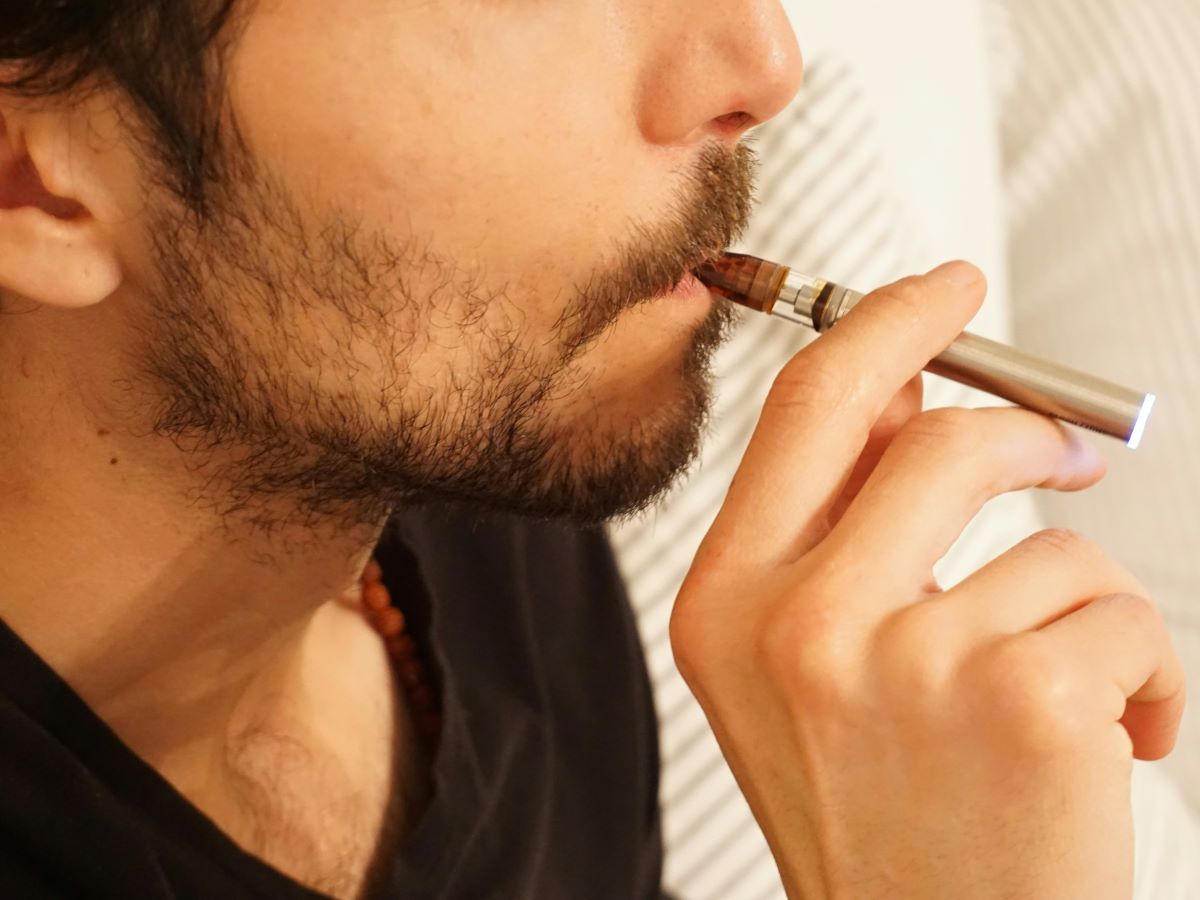
Vaporization highlights the delicate citrus esters that can be muted in high-temperature combustion. At 175 to 190 degrees Celsius, vapors taste like effervescent citrus with a hint of lemongrass and green tea. Increasing to 195 to 205 degrees accentuates the beta-caryophyllene pepper and brings forward a sweet resin note.
Combustion in a clean glass piece preserves more top-end flavor than rolled formats, which can mask the finer aromatics with paper or wrap flavors. Ice-cooling the smoke reduces throat bite while concentrating the lemon peel sensation on the palate. Consumers often report that the aftertaste persists for several minutes, which is a hallmark of terpene-rich flower above 2 percent total terpenes.
Pairings work remarkably well with citrus-forward beverages. Sparkling water with a twist of lemon, light gin-and-tonic profiles, or citrusy non-alcoholic hop seltzers mirror the profile and enhance perceived sweetness. For edibles, strain-specific live resin infusions retain the lemon identity best when processed at low temperatures.
The flavor remains consistent through the bowl if dried and cured properly. Over-drying below 55 percent relative humidity can flatten the candied lemon nuance and emphasize the peppery haze spine. Maintaining flowers at 58 to 62 percent humidity preserves mouthfeel and keeps the syrupy citrus intact.
Cannabinoid Profile
Majik Lemon Haze is typically a Type I THC-dominant chemotype, aligning with modern consumer expectations for potency. In regulated market contexts, cultivators regularly report total THC between 18 and 26 percent by dry weight when harvested at peak ripeness. Total cannabinoids often reach 20 to 28 percent, reflecting minor contributions beyond THC.
CBD content remains low in this cultivar, commonly under 0.5 percent and often below 0.2 percent. This places the strain in the stimulating portion of the cannabinoid spectrum, where terpene balance and dosing more strongly mediate subjective effects than CBD buffering. For users sensitive to THC, starting with smaller inhalation doses is prudent due to the low CBD offset.
Minor cannabinoids can add nuance. CBG frequently appears between 0.3 and 1.2 percent, while CBC ranges around 0.1 to 0.5 percent. Trace THCV has been observed in lemon-leaning hybrids and may register up to 0.2 to 0.4 percent in certain phenotypes, though expression varies substantially by environment and cut.
Acidic precursors dominate the plant before decarboxylation, with THCA accounting for the bulk of total THC. Under typical decarboxylation conditions, such as 105 degrees Celsius for 30 to 40 minutes for concentrates, conversion efficiency can exceed 80 to 90 percent. For flower consumption, the combustion or vaporization process rapidly converts THCA to THC, driving the immediate psychoactive experience.
From a practical consumption standpoint, a 0.1 gram inhalation of 22 percent THC flower delivers roughly 22 milligrams of total THC before combustion losses. Accounting for 30 to 50 percent loss to sidestream smoke, inefficiencies, and incomplete absorption, the net delivered dose is often 11 to 15 milligrams. Those numbers scale quickly with larger inhalations, which explains why a single bowl can feel considerably stronger than its size suggests.
Terpene Profile
The terpene architecture of Majik Lemon Haze is headlined by limonene, which often occupies 0.5 to 1.2 percent of dry weight in strongly aromatic phenotypes. Terpinolene is a frequent co-leader, contributing 0.2 to 0.8 percent and imparting the sweet, hazy floral lift that differentiates lemon candy from simple zest. Beta-caryophyllene tends to sit between 0.2 and 0.6 percent, giving the exhale a peppered warmth and supporting anti-inflammatory potential via CB2 receptor activity.
Supporting terpenes include myrcene at 0.1 to 0.4 percent, which softens the profile and can modestly increase perceived sedation at higher doses. Ocimene in the 0.05 to 0.3 percent range adds a green, slightly tropical sweetness that many describe as lemon sorbet. Pinene, both alpha and beta, commonly registers 0.05 to 0.2 percent, sharpening mental clarity and contributing to the pine-resin undertone.
Total terpene content is a reliable quality marker in this cultivar. Indoor flowers grown under optimized conditions frequently achieve 2.0 to 3.0 percent total terpenes, with standout runs breaching 3.5 percent. Outdoor flowers often test slightly lower, 1.5 to 2.5 percent, but can display a broader bouquet due to diurnal temperature swings.
Environmental parameters heavily influence terpene expression. Cooler nights in late flower, around 16 to 18 degrees Celsius, can preserve monoterpenes and intensify the lemon top notes. Excessive heat above 29 degrees Celsius in the final three weeks can volatilize sensitive compounds, reducing total terpene content by measurable margins.
Curing strategy seals the deal. Burping jars slowly to maintain headspace oxygen around 2 to 4 percent and keeping relative humidity between 58 and 62 percent helps prevent terpene oxidation. With these practices, the cultivar’s signature lemon holds strong for 60 to 90 days, extending retail freshness and consumer enjoyment.
Experiential Effects
As a balanced indica and sativa hybrid, Majik Lemon Haze is generally described as uplifting and clear without racing edginess at moderate doses. The onset of effects through inhalation is fast, commonly within 2 to 5 minutes, with a peak at 15 to 30 minutes. Duration typically spans 2 to 3 hours for most users, trailing longer in those with lower tolerances.
Early effects are mood-elevating and focusing, aligning with limonene and pinene forward profiles. Users report increased motivation for light tasks, creative endeavors, and social conversation. The haze spine contributes a cerebral lift that feels clean, while the indica influence grounds the experience in a relaxed body without heavy couchlock.
At higher doses, the strain can tilt from bright to introspective as terpinolene and myrcene expression become more perceptible. Some sensitive users may notice a short-lived flutter of anxiety at the peak if they overshoot their comfort zone. Careful titration, such as one inhalation followed by a 10-minute reassessment, reduces the chance of overshooting.
The flavor suggests daytime suitability, and many experienced consumers use it as an early-afternoon choice. That said, the peppery, resinous finish can also complement evening decompressing when not paired with caffeine or other stimulants. For consumers with sleep difficulties, the strain’s sedative potential is moderate and dependent on dose and individual physiology.
Functionally, many report usefulness for outdoor walks, music listening, and detail-oriented work that benefits from a crisp headspace. Task switching remains smooth up to medium doses, while heavy dosing can slow reaction time and fine motor control, as expected with THC-dominant cannabis. Always consider context and avoid driving or high-risk activities while under the influence.
Potential Medical Uses
Given its Type I profile and terpene stack, Majik Lemon Haze aligns with several potential therapeutic applications noted in the broader cannabis literature. THC has analgesic properties that can help with chronic pain, and national-level reviews have found at least moderate evidence supporting cannabinoids for pain relief in adults. Limonene’s mood-elevating character may complement this by supporting stress reduction and improving perceived quality of life.
The beta-caryophyllene content

