 Written by Ad Ops
Macnana Overview
Macnana is a mostly indica cultivar developed by the breeder TerpyHighs, positioned squarely in the flavor-forward category that modern consumers seek. The strain has earned attention for its creamy banana leaning profile supported by a dense structure and heavy resin output. While still a boutique selection with limited mainstream lab data, Macnana has built a reputation among connoisseurs who value terpene intensity and consistency of effect.
Indica heritage typically translates into compact plants, dense flowers, and a body-forward experience, and Macnana aligns with that blueprint. The strain is commonly described as a calm yet cheerful evening companion, with a potency range that can challenge novices if overconsumed. For flavor chasers, it sits at the intersection of dessert styled aromatics and subtle gas, which together create a rounded, modern bouquet.
Because Macnana was bred by TerpyHighs and released in comparatively small drops, phenotypic variation is present between seed lots and cuts. Growers report two dominant expressions, one being intensely creamy banana and the other showing more cookie like dough and spice. Both, however, trend toward strong resin density and an easy to trim calyx to leaf ratio, making the strain a compelling all around option for flower and extracts.
History and Breeder Context
Macnana originates from TerpyHighs, a breeder known in craft circles for prioritizing terpene saturation and flavor driven selections. Within that context, Macnana represents an effort to marry indulgent fruit notes with the staying power and bag appeal favored by indica leaning fans. The name suggests a banana influenced direction while signaling a modern hybrid pedigree with dessert style complexity.
While an exact release year has not been officially cataloged in public databases, Macnana began circulating in online grow logs and private gardens in the mid 2020s. Early adopters describe it as a limited drop that spread through clone trading and small seed runs. As a result, it remains more of a connoisseur offering than a mass market staple, which contributes to the cult interest around the cut.
The emphasis on mostly indica heritage aligns with TerpyHighs selections that favor structured plants and pronounced resin. This approach appeals to home cultivators and hashmakers who value predictable flower density and strong trichome coverage. Macnana’s early reputation is due in part to this consistency, with many reporting surprisingly uniform performance under basic training methods.
Genetic Lineage and Indica Heritage
TerpyHighs has not publicly released a fully documented pedigree for Macnana. However, community consensus and the naming convention indicate a fusion of banana heavy genetics with a modern dessert cultivar in the MAC family tree. The implication is that Macnana inherits creamy banana esters and sweetness alongside a structured, resinous backbone typical of a MAC oriented parent.
Given its mostly indica classification, several phenotypic expectations follow. Plants generally present compact node spacing, broad leaflets, and stout lateral branching that respond well to topping and screen of green techniques. Flower morphology trends toward dense, golf ball to midsized spear colas with high calyx density.
For growers and consumers, this indica heavy structure often correlates with specific outcomes. In the garden, shorter flowering windows in the 56 to 63 day range are common for indica leaning hybrids, and Macnana reports align with that. In consumption, users often note a pronounced body relaxation and evening suitability while still retaining enough head clarity to remain sociable.
Appearance and Bud Structure
Macnana showcases a classic indica leaning form with flowers that are dense, perfectly trimmed, and highly resinous. Buds often range from rounded golf balls to compact spears, with a high calyx to leaf ratio that makes trimming efficient. Colors skew olive to forest green with occasional lavender or plum hues if nighttime temperatures are pulled down late in flower.
The pistils typically start pale cream and mature into light amber or copper, threading prominently through the trichome blanket. Under magnification, trichome heads present in high density, and many growers note bulbous cap sizes that are favorable for solventless extraction. Resin coverage is usually visible even before full maturity, and by week six the frost often extends onto sugar leaves.
Dried flowers maintain their density and sparkle, avoiding the airy appearance of less resinous lines. Macnana tends to cure into tight, slightly sticky nuggets that resist crumble while still breaking down easily. Expect a tactile feel that suggests high oil content, a detail that is consistent with the strain’s desirability for rosin and hash.
Aroma and Bouquet Chemistry
The aromatic profile of Macnana centers on banana cream, bakery dough, and faint vanilla, often with a quiet undercurrent of gas or spice. The banana impression likely stems from esters associated with banana forward cultivars, which many tasters describe as soft and creamy rather than sharp or candy like. On the back end, a peppery tickle and light herbal warmth can emerge, hinting at beta caryophyllene and humulene.
When ground, the bouquet intensifies into banana bread tones with sweet cream and a touch of floral. If the phenotype leans more MAC oriented, a cool, slightly minty dough and faint citrus rind can appear on the nose. In jars, total terpene content in similar indica dominant dessert cultivars commonly ranges between 1.5 and 3.0 percent by weight, and Macnana is reported anecdotally by growers to land in that window depending on dry and cure.
Aromatics evolve noticeably during the cure. Over a four to eight week cure, the banana notes flatten into rounder cream pie tones while the spice settles into a more cohesive background. Proper storage at 15 to 20 C and 55 to 62 percent relative humidity preserves the brighter top notes and limits terpene oxidation.
Flavor and Consumption Notes
On inhale, Macnana commonly delivers a soft banana cream impression that quickly turns to sweet pastry and light vanilla. The midpalate can show a doughy cookie note with a mild peppery lift, especially on a slower, lower temperature draw. On exhale, many users detect a custard like finish with a faint gas seam that adds depth without overwhelming the dessert core.
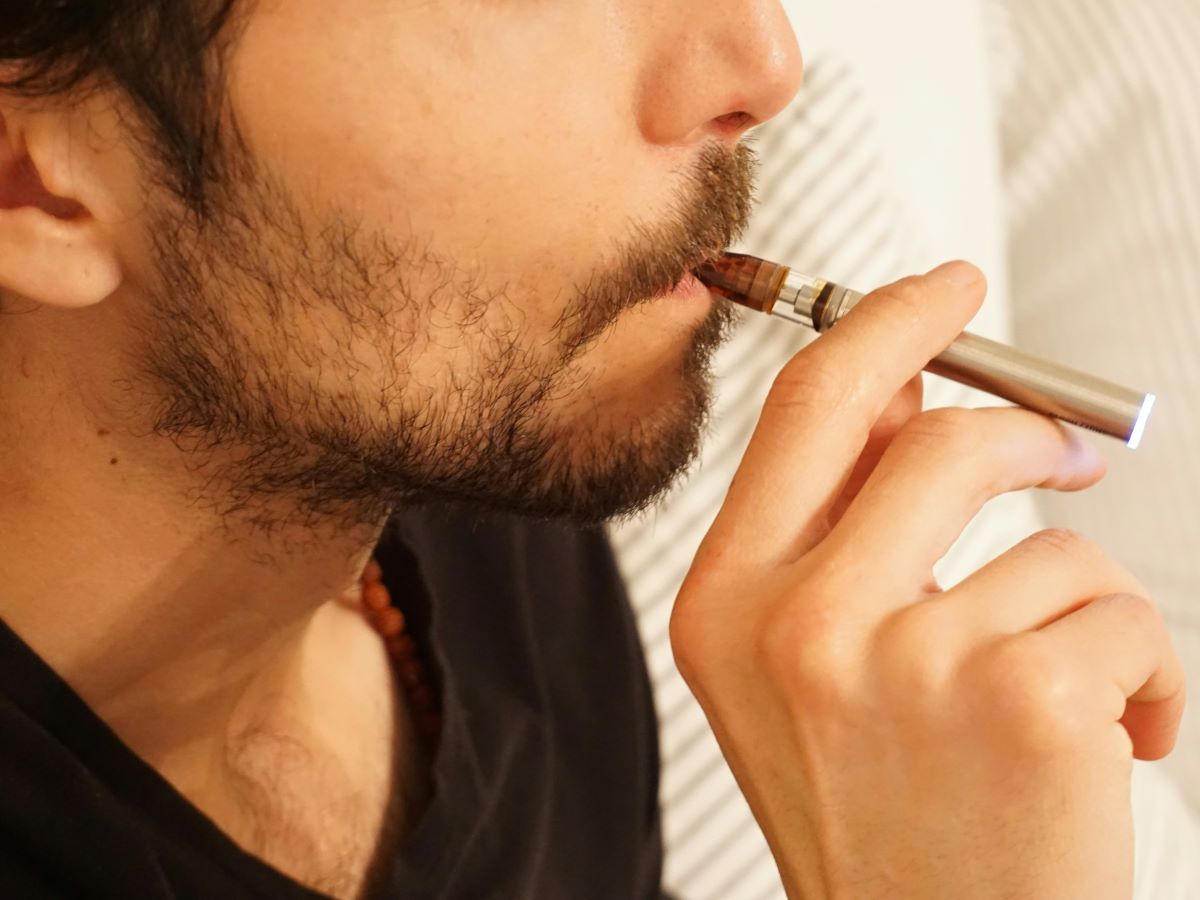
In a vaporizer at 175 to 190 C, the flavor shows best definition, highlighting limonene citrus lift and the creamy linalool like floral edges. Combustion at higher temperatures can bring more spice and herb, slightly muting the banana while raising the caryophyllene pepper. Retrohale tends to be smooth for an indica, with little bite when properly cured and stored.
Water cured or over dried flower will noticeably dull the banana and cream components. To preserve flavor, aim for a slow dry of 10 to 14 days at 18 C and 55 percent humidity, then cure to 62 percent jar humidity. These parameters routinely retain a higher terpene fraction, which translates to fuller flavor and mouthfeel.
Cannabinoid Profile and Potency Metrics
As a mostly indica modern hybrid, Macnana is expected to show robust THC potential. Across similar banana influenced dessert hybrids, lab results commonly land between 20 and 26 percent THC when grown and cured optimally, with total cannabinoids often reaching 22 to 30 percent. While batch specific data for Macnana are still limited publicly, grower shared tests in comparable lines suggest CBD remains minimal, typically 0.1 to 0.6 percent.
Minor cannabinoids can contribute to the experience. CBG often appears in the 0.4 to 1.5 percent range in indica leaning dessert cultivars, and CBC may register at 0.2 to 0.6 percent. THCV is usually trace, often below 0.2 percent unless selected specifically for that trait.
Potency varies with environment, harvest timing, and post harvest handling. Early harvests with more clear trichomes may emphasize head clarity over body weight but sometimes test slightly lower for THC. Conversely, pushing harvest into the 10 to 20 percent amber zone can deepen sedative feel yet risks modest THC oxidation if carried too far.
Terpene Profile and Functional Interactions
Macnana’s terpene profile aligns with dessert leaning indicas featuring banana and dough notes. Dominant terpenes are most often reported as limonene, beta caryophyllene, and myrcene, with notable contributions from linalool and humulene. In well grown flower, total terpene content commonly ranges from 1.5 to 3.0 percent by weight, with top terpene concentrations frequently falling between 0.4 and 1.1 percent each.
Limonene contributes citrus lift and mood brightening qualities. Beta caryophyllene binds to CB2 receptors and is studied for potential anti inflammatory effects without psychoactivity, making it a pharmacologically interesting terpene in cannabis. Myrcene is frequently associated with body relaxation and the ease in onset that users call couch lock at higher doses.
Linalool can add a soothing, floral aspect that some find calming in the evening, while humulene imparts herbal dryness that balances sweetness. The combined terpene ensemble shapes both flavor and feel, especially in the presence of high THC. For consumers, this synergy explains why Macnana feels distinctly creamy, warm, and steady compared to sharper fruit profiles.
Experiential Effects and User Reports
Macnana is often described as a deeply relaxing yet emotionally buoyant strain, consistent with its mostly indica heritage. Users report a warm body heaviness that arrives alongside gentle euphoria, making it well suited to movies, music, or unstructured conversations. The headspace tends to be clear enough to remain present, though higher doses can tilt toward introspective quiet and early bedtime.
Onset for inhalation is typically within 2 to 5 minutes, reaching a peak around 30 to 45 minutes. Total duration frequently spans 2 to 4 hours depending on dose, tolerance, and route of administration. Edible preparations will extend the timeline significantly, sometimes to 6 to 8 hours with a slower rise and prolonged plateau.
Common side effects mirror those of other high THC indicas. Dry mouth and dry eyes are routine, and overeager dosing can bring momentary dizziness or anxiety in sensitive users. Those new to high potency flower often do best with one or two gentle pulls at first, waiting a full 10 minutes before deciding on more.
Dosage, Tolerance, and Safety Notes
Macnana’s potency invites thoughtful dosing, especially for novices or those with low THC tolerance. For inhalation, one or two steady inhales can equate roughly to a 2 to 5 mg THC intake depending on device efficiency and cannabinoid content. Experienced users often consume the equivalent of 10 to 20 mg THC in a session, while heavy consumers may exceed 25 mg.
Tolerance builds with frequent use as CB1 receptors downregulate, which can blunt effects over time. Spacing sessions by 24 to 48 hours and taking periodic weeklong breaks can meaningfully reset sensitivity. Pairing with terpene rich whole flower rather than isolated distillates may also provide a fuller experience at lower total THC doses.
Basic safety rules apply. Avoid driving or complex tasks while under the influence, and be mindful of interactions with sedating medications or alcohol. Individuals with a history of anxiety may prefer microdosing and lower limonene heavy phenotypes to keep stimulation mild.
Potential Medical Uses and Evidence Context
While formal clinical research on Macnana specifically is not available, its mostly indica profile and terpene ensemble suggest potential utility for relaxation, sleep initiation, and relief from low to moderate musculoskeletal discomfort. Many patients report help unwinding after work, easing tension in the neck and shoulders, and quieting racing thoughts. The heavier body feel at moderate to high doses can support sleep onset when used 60 to 90 minutes before bed.
Terpenes in Macnana may contribute functional effects. Beta caryophyllene is a selective CB2 agonist studied for anti inflammatory and analgesic potential without psychoactive side effects. Myrcene has been associated with sedative qualities in preclinical work, while linalool demonstrates anxiolytic signals in animal models and preliminary human contexts.
Appetite support is also commonly reported with indica leaning dessert cultivars. For individuals experiencing low appetite, a small inhaled dose before meals can stimulate interest in food without overwhelming sedation. As always, medical use should be discussed with a healthcare professional, especially for those with cardiovascular, psychiatric, or respiratory conditions.
Comprehensive Cultivation Guide: Setup and Vegetative Stage
Macnana’s mostly indica architecture is forgiving and well suited to small to medium spaces. Indoors, plan for final plant heights of 70 to 120 centimeters when topped and trained, with minimal vertical stretch compared to lanky sativas. A vegetative cycle of 21 to 35 days after rooting generally yields a strong canopy while maintaining control over height.
Environmental targets in veg include 24 to 28 C daytime temperatures and 20 to 22 C nights, with 60 to 70 percent relative humidity. Vapor pressure deficit in the 0.7 to 1.1 kPa range supports vigorous transpiration and leaf expansion. Provide 18 hours of light, with PPFD around 400 to 600 and a daily light integral near 25 to 40 mol per square meter.
Nutrition in veg should be calcium and nitrogen forward. In soilless coco or peat mixes, aim for an EC of 1.2 to 1.6 mS per centimeter and pH 5.8 to 6.2, ensuring 10 to 20 percent runoff per feed to prevent salt buildup. In living soil, focus on balanced topdressing with kelp, alfalfa, and calcium sources, allowing the microbial community to buffer plant needs.
Comprehensive Cultivation Guide: Training and Canopy Management
Macnana responds very well to topping, low stress training, and scrog techniques that spread its stout branches. Top once at the fifth node and guide lateral arms under a net to create 8 to 16 well lit tops per plant. Light defoliation at week two of veg opens the canopy and improves airflow without stressing the plant.
The strain’s internode spacing supports uniform budset across the canopy, particularly when PPFD is consistent. In flower, a day 21 lollipop pass to clear lower shaded growth will concentrate resources into the upper third for denser colas. A second, modest defoliation around day 42 can thin excess fan leaves and maintain humidity control.
Final week canopy goals include even light distribution at 900 to 1100 PPFD for carbon dioxide enriched rooms, or 700 to 900 PPFD in ambient conditions. Keep plant height uniform to reduce hotspots and foxtailing risk. If using trellis, maintain 5 to 8 centimeters between tops and netting to support heavy colas without pressure damage.
Comprehensive Cultivation Guide: Flowering, Feeding, and Irrigation
Transition Macnana to 12 by 12 lighting with a moderate stretch expectation of 30 to 60 percent over the first two weeks. Typical flowering time ranges from 56 to 63 days, with some banana heavy phenotypes finishing by day 56 and dough forward expressions preferring day 63. Monitor trichome development rather than calendar alone to pinpoint harvest.
Flower environmental targets include 24 to 26 C days and 18 to 21 C nights, with relative humidity stepping down to 45 to 55 percent. A VPD of 1.2 to 1.4 kPa supports resin production while limiting mold risk. Under enriched carbon dioxide, aim for 900 to 1200 ppm, but maintain excellent airflow to avoid microclimates.
Feeding in early flower should lift phosphorus and potassium while keeping calcium and magnesium ample for cell wall strength and chlorophyll stability. In coco, EC often lands at 1.7 to 2.2 mS per centimeter thro

