 Written by Ad Ops
History and Origins
Lithium OG, often marketed as Lithium OG Kush, emerges from the modern wave of OG-descended cultivars that prioritize potency, resin production, and a reliably relaxing experience. Breeders popularized it in the 2010s by pairing a proven OG Kush cut with a stabilizing Kush backbone, typically Master Kush, to improve vigor and consistency. The result is an indica-leaning hybrid that retains the electric-euphoric spark of OG while delivering a heavier, body-centered finish. In consumer circles, the name “Lithium” nods to the strain’s steadying, mood-leveling reputation rather than any direct pharmaceutical connection.
The OG Kush family tree has a complex history, with accepted lore linking its ancestry to a Chemdog lineage crossed with a Thai-Lemon and Pakistani Kush influence. Master Kush, by contrast, traces to landrace-heavy Hindu Kush genetics selected in the Netherlands for durability and dense, hash-friendly buds. Lithium OG inherits traits from both, blending OG’s citrus-diesel aroma with Master Kush’s earthy incense and compact structure. This lineage positions it as a cultivar designed for both connoisseurs and growers seeking predictable performance.
As OG-derived strains gained mainstream traction, market demand shifted toward hybrids that could deliver 18–24% THC consistently while maintaining terpene totals above 1.5% by weight. Lithium OG fit the bill, frequently testing in the upper-teens to low-20s for THC depending on phenotype and grow environment. With grow cycles averaging 8–9 weeks in flower and indoor yields commonly cited in the 450–600 g/m² range, it aligned with commercial productivity benchmarks. Home cultivators also embraced it for its moderate stretch and amenability to training.
Regional popularity typically mirrors the broader OG Kush distribution, showing strong presence in U.S. West Coast and legalized markets. As medical programs expanded, Lithium OG gained a following among patients seeking evening relief from stress, muscle tension, and sleeplessness. Online menus and lab postings have reported minor cannabinoids like CBG in the 0.1–0.6% range, contributing to a fuller entourage effect than THC alone. While naming conventions can vary, “Lithium OG” and “Lithium OG Kush” generally describe the same genetic concept: an OG-dominant hybrid with a grounded, soothing core.
Genetic Lineage and Breeding
The most cited cross for Lithium OG is OG Kush x Master Kush, yielding an indica-leaning hybrid often approximated at 70/30 indica-to-sativa. OG Kush supplies the citrus-diesel punch, lankier node spacing, and the euphoric lift that OG fans recognize. Master Kush contributes tighter internodes, denser flowers, and a classic Afghani-Hindu Kush resin sheen that makes this strain attractive for solventless extraction. Together, the pairing emphasizes both heady potency and a weighty body effect.
Breeders selected pheno expressions that tend to present medium stature, moderate stretch, and consistent trichome coverage. This selection pressure results in stable yields and predictable flowering time, frequently 56–63 days indoors under 12/12 lighting. Because OG lines can be sensitive to overfeeding and environmental swings, the Master Kush influence helps temper finickiness and improve resilience. The outcome is a cultivar that responds well to SCROG, topping, and low-stress training.
It is common for Lithium OG to display a dominant myrcene-limonene-caryophyllene terpene triad, which reflects both parental lines. Myrcene steers the earthy, musky base, limonene pushes citrus brightness, and beta-caryophyllene adds peppery spice with CB2 receptor affinity. Some phenotypes show elevated pinene and humulene, adding pine and herbal notes while subtly modifying the psychoactive experience. Variations in minor terpene content often track with environmental conditions, particularly temperature, light intensity, and late-flower feeding.
In breeding programs, Lithium OG can serve as a donor for dense bud structure and a calming, anti-ruminative effect profile. When crossed with fruit-forward sativas, it can add weight, shorten flowering, and deepen terpene complexity without fully suppressing uplift. When paired with other Kush or Cookies lines, it can boost resin production for hash-makers and stabilize yield. This versatility explains its persistence in seed catalogs and clone libraries targeting both recreational and therapeutic markets.
Botanical Appearance and Structure
Lithium OG plants typically display broadleaf, indica-leaning morphology with stout branching and a medium-tall final height. Expect a vegetative structure with robust stems, slight to moderate internodal spacing, and a canopy that benefits from topping and lateral training. Under optimal conditions, the strain exhibits a 1.5–2.0x stretch during the first three weeks of flower. Colas stack into dense, spear and golf-ball formations with heavy calyx development.
Mature flowers are compact and resin-rich, often exhibiting a light to olive-green hue with amber-orange pistils. A thick blanket of glandular trichomes becomes visible by mid-flower, with capitate-stalked heads clouding up by weeks 7–8. Under cooler night temperatures (16–18°C), some phenotypes express faint purples along sugar leaves due to anthocyanin activity. The overall bag appeal is high, with a frosted look that signals potency.
Leaf blades are typically dark green in nutrient-balanced grows, though OG-leaning phenos can lighten if nitrogen is limited late in flower. Growers report that leaves are somewhat broad but not as fully “fan-like” as pure Afghani lines, allowing decent light penetration with canopy management. Stems are firm enough to support the weight of buds but still benefit from trellising or yo-yos in late bloom. This structural fortitude translates well to SCROG layouts where evenly distributed tops maximize square footage.
When dried and cured, the buds maintain density and a slightly tacky resin feel if humidity is managed properly. The calyx-to-leaf ratio is favorable, making trim work efficient compared to fluffier hybrids. Properly cured flowers will glisten with intact heads, indicating minimal trichome fracture during processing. The visual package matches consumer expectations for a premium OG-descended cultivar.
Aroma and Bouquet
Lithium OG’s aroma leans earthy, piney, and citrus-forward with a noticeable diesel-kush undertone. The first whiff often presents lemon peel and wet forest notes, quickly followed by pepper, musk, and faint herbal sweetness. Breaking the flower releases a sharper citrus-diesel spike, a signature many associate with OG Kush ancestry. As the buds air out, an incense-like depth from Master Kush typically emerges.
Dominant terpene drivers behind the bouquet are frequently myrcene, limonene, and beta-caryophyllene. Myrcene lends the musky base and a touch of ripe mango, bolstering the perceived heaviness of the scent. Limonene brightens the top end with lemon and faint orange, adding an energetic sparkle that keeps the profile from being one-note. Beta-caryophyllene adds spicy black pepper and clove edges that ground the aroma and hint at anti-inflammatory potential.
Secondary terpenes like alpha-pinene and humulene contribute pine resin and herbal bitterness that become more evident upon grinding. In some phenotypes, a pinch of linalool introduces floral lavender softness, smoothing the nose and hinting at sedation. Collectively, the profile is layered enough to interest connoisseurs while remaining unmistakably Kush at its core. Many consumers describe the bouquet as “clean yet heavy,” a balance that matches the strain’s experiential arc.
Aroma intensity scales with cultivation choices: cooler end-of-flower temperatures, careful drying at 15–16°C, and a slow cure can preserve volatile monoterpenes. Total terpene content commonly falls in the 1.5–2.5% range by weight when grown and cured optimally. Growing conditions with excessive heat or inadequate airflow can strip the brighter citrus top notes, skewing the profile toward earth and fuel. For retail presentation, airtight storage and humidity stabilization around 58–62% help retain the nose.
Flavor Profile and Combustion Behavior
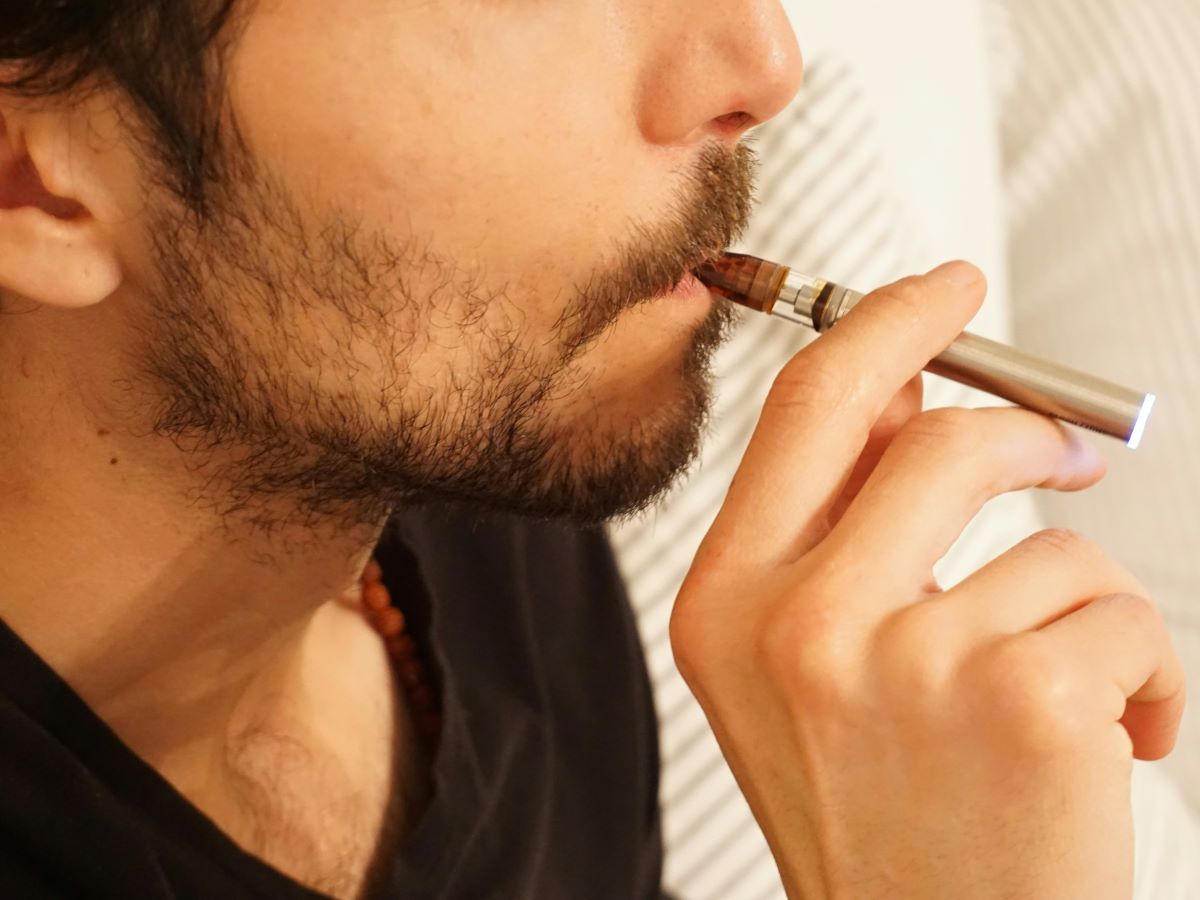
On the palate, Lithium OG follows its aroma with a clean citrus entry that quickly deepens into pine, earth, and a peppery kush finish. The lemon-peel brightness is often most apparent during the first pulls, especially in vaporization where monoterpenes volatilize at lower temperatures. As the session continues, diesel and incense emerge, producing a more resinous, mouth-coating quality. The aftertaste tends to linger with pepper-lemon and a faint herbal bitterness.
Combustion quality is typically smooth if the flower is flushed and cured well, yielding a light gray ash. In joints, a visible resin ring often forms within the first third, a sign of ample trichome oils and proper moisture content. In glassware, the flavor holds across several draws, with the pepper and pine persisting even as citrus fades. Vaporization accentuates the limonene and pinene in the 160–180°C range and brings out caryophyllene’s spice as temperatures rise.
Consumers often note that flavor intensity scales with grind coarseness and airflow. A medium grind preserves aromatic oils and prevents over-charring, particularly important for retaining the lemon-pine top notes. Humidity control is critical; at 58–62% relative humidity for stored flower, terpenes remain vibrant without excessive moisture that can dull flavor. Over-dried buds below 50% RH can taste harsher and skew the flavor toward bitter char.
Rosin and hydrocarbon extracts from Lithium OG tend to concentrate the citrus-diesel-pepper triad, delivering robust dabs with a pronounced OG signature. Solventless hash can showcase the strain’s resin stability, especially from phenotypes with bulbous trichome heads that wash efficiently. Many hash-makers report favorable returns when flower is cultivated with colder late-flower temperatures and minimal physical agitation during harvest. The flavor in concentrates usually leans denser and fuel-heavier, with lemon clarity surfacing in the first inhalation.
Cannabinoid Profile and Potency
Lithium OG is commonly reported in the 18–24% THC range when grown under optimized conditions, positioning it firmly in the high-potency tier. Total THC readings depend on harvest timing, lighting intensity, and post-harvest handling, with later harvests sometimes boosting perceived sedative power. CBD levels are typically low, often 0.1–0.6%, though outlier phenotypes can express slightly higher minor cannabinoids. Total cannabinoids in well-grown batches can reach above 20% by weight, with variance driven by genetics and environment.
THCa dominates in raw flower, converting to active THC upon heat via decarboxylation. Minor cannabinoids like CBG often appear in trace to low levels (0.1–0.6%), and CBC may show up similarly low but synergistic in the overall effect. While these amounts seem small individually, their combined presence can contribute to an entourage effect that modifies THC’s character. That synergy often manifests as smoother mood elevation and a fuller body sensation compared to single-compound isolates.
For inhaled consumption, onset is typically 2–5 minutes, with a peak at 30–60 minutes and a 2–4-hour total duration. Edible preparations shift the pharmacokinetics, with onset at 30–120 minutes and a longer tail of 4–8 hours depending on dose and metabolism. Consumers sensitive to high THC should start around 2.5–5 mg in edibles and titrate slowly, given the strain’s propensity for strong late-session heaviness. Experienced users often favor 10–20 mg edible doses or a few inhaled draws to reach a stable, relaxing plateau.
Lab variability is normal in cannabis testing, so relying on multiple measurements from trusted, accredited labs provides a clearer potency picture. Environmental optimization—consistent VPD, stable EC, full-spectrum lighting, and proper cure—can shift results by several percentage points. Growers focused on potency often prioritize trichome preservation during harvest and trim to avoid THC degradation. Proper storage at cool temperatures (10–15°C) in airtight containers slows cannabinoid and terpene loss over time.
Terpene Profile and Minor Compounds
Lithium OG commonly expresses total terpene content in the 1.5–2.5% range by weight when properly grown and cured. The dominant triad is typically myrcene (often 0.3–0.9%), limonene (0.2–0.6%), and beta-caryophyllene (0.2–0.5%). Secondary terpenes may include alpha-pinene (0.1–0.3%), humulene (0.05–0.2%), and linalool (0.05–0.15%). Trace contributors like ocimene, nerolidol, and terpinolene can appear in small amounts depending on phenotype and environment.
Myrcene contributes earthy, musky, and slightly fruity notes and is frequently associated with a relaxing, sedative lean. Limonene offers citrus brightness and is explored for mood-elevating and anxiolytic potential in preclinical research. Beta-caryophyllene, unique as a dietary cannabinoid, can bind to CB2 receptors and is being investigated for anti-inflammatory effects. Pinene may support alertness and airway openness, while humulene and linalool add herbal and floral layers that can fine-tune the experience.
Minor cannabinoids, while low in percentage, add nuance to the psychophysiological profile. CBG is often cited for potential neuroprotective and anti-inflammatory roles, though human data remain emergent. CBC and THCV may appear in trace levels; THCV can modulate THC effects subtly and is studied for appetite and glycemic impacts, though typical amounts here are minimal. The collective matrix of terpenes and minor cannabinoids likely shapes Lithium OG’s steady, calming character.
Cultivation factors influence terpene expression significantly. Cooler late-flower temperatures, gentle handling, and slow post-harvest drying (around 15–16°C and 55–60% RH) preserve volatile monoterpenes. Overly warm rooms, aggressive trimming, or rapid drying can reduce total terpene readings by measurable margins. Airtight storage and protection from light remain critical to maintain the bouquet over months.
Experiential Effects and Onset Dynamics
Lithium OG delivers a clear two-stage experience for many users: an initial lift in mood and headspace followed by a deep, body-centered relaxation. The onset brings a quieting of racing thoughts and a soft euphoria, often accompanied by subtle sensory intensification. As the session progresses, the physical heaviness rises, loosening muscles and promoting calm. At higher doses, couchlock and drowsiness become likely, especially in the last third of the effect curve.
Despite its indica lean, Lithium OG is not purely sedative in the opening phase. The limonene and pinene help keep the early headspace bright, preventing the experience from feeling dull or foggy. Many report improved focus for low-demand tasks during the first 30–45 minutes, such as music listening, light conversation, or cooking. As the body effect ramps, it becomes better suited for unwinding, media consumption, or pre-sleep routines.
Common side effects include dry mouth and dry eyes, especially at higher potency levels. A small subset of users may experience transient anxiety or heart rate elevation if dosing aggressively, a pattern typical with high-THC OG lines. Moderating dose and pacing inhalations can minimize these effects while preserving the desired calm. Hydration and a light snack often improve comfort during longer sessions.
Inhaled routes tend to produce a 2–4-hour window of effects, while edibles may extend relaxation beyond 6 hours. People with lower tolerance or those new to OG genetics should start with minimal doses and wait at least 20 minutes between inhalations. Veterans of Kush-dominant cultivars may appreciate the deeper body melt and use it for evening decompression. Across reports, the strain’s “steadying” quality aligns with its name, suggesting a leveling effect on mood and t

