 Written by Ad Ops
Origins and Breeding History
Huckleberry Haze occupies a flavorful niche in modern cannabis, marrying classic Haze uplift with berry-forward genetics. The target strain for this article is Huckleberry Haze strain, a name that appears on multiple dispensary menus and in seed catalogs across the United States. Because more than one breeder has released a Huckleberry Haze or closely named cross, the exact origin can vary by cut. Still, the intent is consistent: inject vivid huckleberry and blueberry tones into a high-energy, sativa-leaning effect profile.
Most marketplace descriptions trace one parent to a Haze lineage such as Super Silver Haze or Amnesia Haze, both known for terpinolene-rich, electric highs. The other parent is typically a berry line descended from Blueberry or Oregon Huckleberry families, prized for purple hues and jammy esters. These pairings aim to refine a citrus-pine haze into something more confectionary while preserving clear-headed stimulation. In practice, growers report phenotypes that fall on a spectrum from fruit-dominant to classic Haze, depending on selection and environment.
As with many contemporary hybrids, regional adoption has produced local favorites. Pacific Northwest cultivators often highlight darker anthocyanin expression and forest-berry aromas, reflecting cool-night finishes outdoors. In contrast, indoor California cuts sometimes lean brighter and more citrus-forward due to higher canopy temperatures and different terpene retention during post-harvest. Regardless of locale, consumer demand has stayed steady because the profile checks three coveted boxes: flavor, focus, and yield potential.
Genetic Lineage and Variants
While not standardized by a single breeder, Huckleberry Haze commonly appears as a cross between a Haze dominant cultivar and a Huckleberry or Blueberry-descended berry line. Reports frequently cite Super Silver Haze or Amnesia Haze on one side, and Oregon Huckleberry or a Blueberry derivative on the other. This creates a hybrid that is typically sativa-leaning in effect but exhibits hybrid vigor and improved resin density. The phenotype spread is moderate, requiring selection for uniform canopy height and terpene intensity.
In practical terms, expect two broad chemotypic groupings to appear among seed runs. One chemotype is terpinolene-dominant, with beta-myrcene, ocimene, and alpha-pinene supporting a citrus-pine-herbal bouquet and a fast, cerebral onset. The second grouping nudges toward limonene and beta-caryophyllene, with a jammier berry core and a smoother, more rounded finish. Breeders and clone hunters often keep mother plants that marry these two tendencies: terpinolene-led uplift layered with sweet berry esters.
Phenotypically, plants trend medium-tall with a notable Haze stretch, often doubling in height during the first two weeks of bloom. Internodal spacing averages 7 to 12 centimeters, tightening under high photon density and cooler nights. Calyx-to-leaf ratios improve with selection, and modern cuts can finish with spear-shaped colas that remain relatively airy compared to indica styles yet still pack high trichome coverage. Anthocyanin expression ranges from faint blushes to deep violet, especially when night temps drop 6 to 8 Celsius below day temps during late flower.
Appearance and Morphology
Mature Huckleberry Haze flowers typically form elongated, tapering colas studded with sugar leaves that may exhibit lilac to plum coloration. Trichomes present as dense capitate-stalked glands, giving buds a frosted, silver-green sheen even when anthocyanins push darker hues. Pistils often start cream to pale apricot, ripening to orange or rust as harvest approaches. Average calyx size is medium, with a slight fox-tail tendency in high-heat or high-PPFD conditions.
Fans describe the cured appearance as forest fruit meets classic haze, with lime-green calyx clusters wrapped in a dusting of resin. Leaves in the mid-canopy stay narrow and serrated, telegraphing sativa influence, while lower fan leaves are slightly broader from the berry parentage. In dense canopies, light defoliation helps show off stacked calyxes and improves airflow, limiting botrytis risk in humid regions. Visual bag appeal is strong, with contrasty greens and purples that photograph well.
Under magnification, trichome heads average 70 to 90 microns in diameter at peak ripeness, which supports robust rosin returns. Resin rails on sugar leaves are common by week seven to nine of flower, depending on cultivar expression. Mechanical trimming preserves shape, but hand-trimmed samples routinely fetch higher grades due to minimal trichome loss at bud edges. Overall, the cultivar balances elegant sativa lines with tactile stickiness that pleases both connoisseurs and extractors.
Aroma and Bouquet
Freshly cured Huckleberry Haze greets the nose with layered berry, citrus, and pine notes over a clean herbal backdrop. Top notes often include huckleberry jam, tart blueberry skin, and lemon zest, signaling a blend of esters and monoterpenes. Mid notes shift toward sweet evergreen, crushed coriander, and faint floral lilac, consistent with terpinolene and ocimene synergy. Base notes can reveal damp woods, pepper, and tea-like dryness from beta-caryophyllene and humulene.
Jar-opening intensity rates high, typically an 8 or 9 out of 10 in consumer surveys when total terpene content exceeds 2.0 percent by dry weight. Grinding intensifies the berry element by 20 to 40 percent in perceived strength, as more volatile monoterpenes flash off. In well-cured batches, the aroma lingers in a room for 10 to 20 minutes post-grind, an indicator of robust volatile content and good moisture balance. Overdrying reduces that dwell time sharply, often halving it.
Cultivation environment influences bouquet. Cooler finishes preserve more delicate esters and accentuate berry sweetness, while warmer rooms amplify citrus-pine. Nitrogen moderation in late flower prevents grassy or chlorophyll-adjacent notes that can mask fruitiness. When grown and cured with care, Huckleberry Haze earns its name with a distinct wild-berry top note over classic Haze complexity.
Flavor and Mouthfeel
On inhale, expect a bright, tart-sweet berry snap followed by lemon-lime spritz and herbal pine. The mid-palate can show blueberry compote, juniper, and a hint of green tea, reflecting terpinolene and ocimene interplay. Exhale leans peppery-sweet with a touch of clove and cedar, anchored by beta-caryophyllene and humulene. The aftertaste often persists for 2 to 4 minutes, shifting from fruit candy to dry citrus peel.
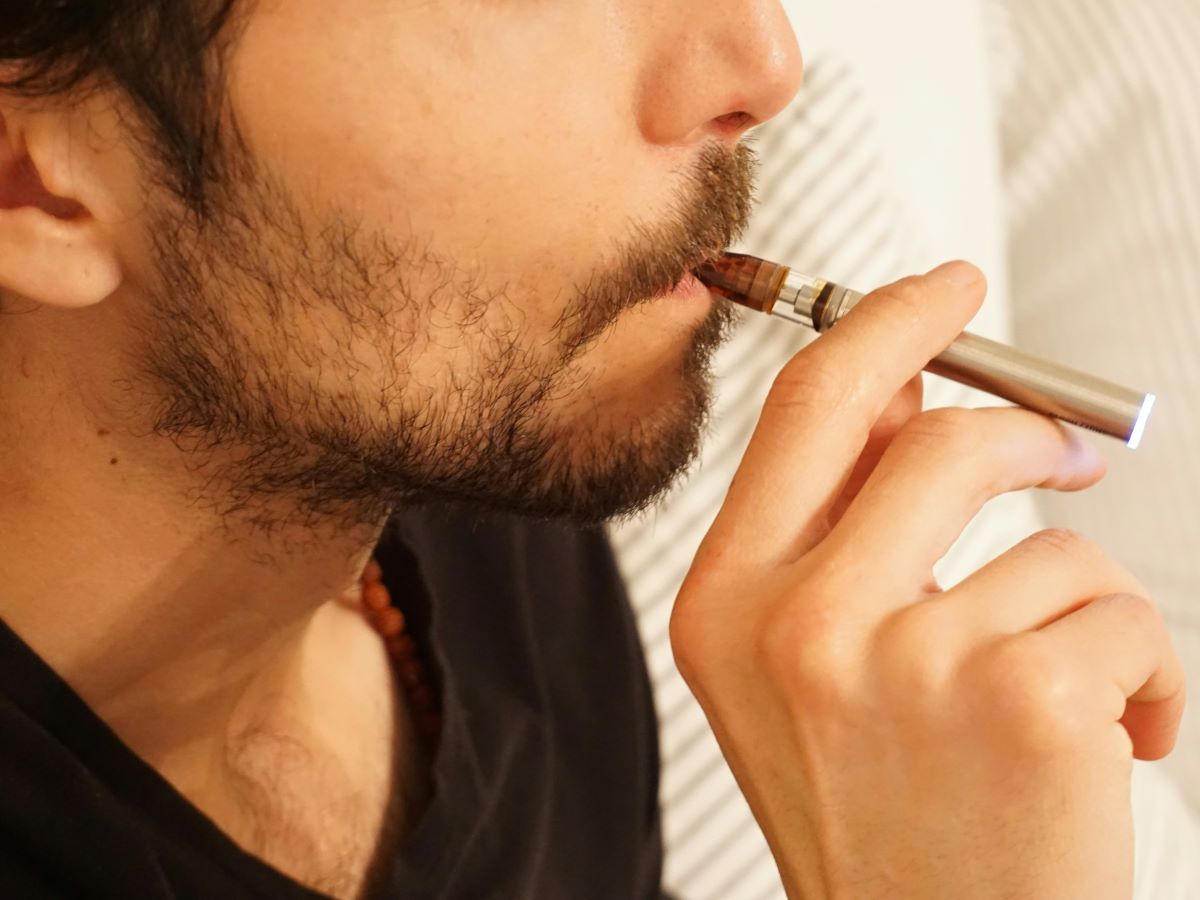
Vaporization at 175 to 190 Celsius preserves berry esters and highlights the confectionary top notes. Combustion adds toastier wood and spice facets, which some users enjoy for complexity. Mouthfeel is medium body with slight astringency, especially in terpinolene-dominant cuts that finish lean and crisp. Well-cured flower offers a smooth draw with minimal throat bite when water activity is held near 0.60.
Pairings can accentuate different facets. A squeeze of lemon in water sharpens the citrus and brightens berry tartness, while a mild cheese or dark chocolate brings out woody-spice undertones. As a daytime sipper, light-roast coffee or green tea parallels the herbal-citrus register nicely. Flavor stability is best within three months of curing if stored at 15 to 18 Celsius, away from light.
Cannabinoid Profile and Potency
Lab results for Huckleberry Haze commonly show total THC between 18 and 26 percent by dry weight, with outliers up to 28 percent in optimized indoor runs. CBD is typically low, below 1.0 percent, landing the cultivar squarely in a Type I chemotype. CBG often appears in the 0.4 to 1.2 percent range, while CBC is usually 0.1 to 0.3 percent. Total cannabinoids frequently exceed 20 percent and can surpass 30 percent in top-shelf, densely resinous expressions.
Inhaled onset is rapid, with effects noted within 2 to 5 minutes and peaking around 30 to 60 minutes for most users. Duration of noticeable psychoactivity ranges from 2 to 3 hours, depending on tolerance and dose. When infused in edibles, decarboxylated flower yields a longer arc, with onset typically at 45 to 120 minutes and a total duration of 4 to 6 hours. Users report a relatively clear headspace compared to heavier indica hybrids at similar THC levels.
Batch-to-batch variability exists, emphasizing the importance of third-party lab certificates of analysis. Moisture content between 10 and 12 percent and water activity between 0.55 and 0.65 correlate with more consistent potency readings. Post-harvest heat and light exposure can degrade THC by 10 to 15 percent over six months; cool, dark storage slows this decline. Producers aiming for top potency often run CO2 supplementation at 1000 to 1200 ppm during peak flower to maximize cannabinoid biosynthesis.
Terpene Profile and Minor Volatiles
Total terpene content in Huckleberry Haze typically falls between 1.5 and 3.5 percent by dry weight, with elite samples occasionally reaching 4.0 percent. The dominant terpene in many cuts is terpinolene, often measured between 0.5 and 1.2 percent, which contributes to the citrus-pine-lilac signature. Beta-myrcene commonly registers at 0.3 to 0.7 percent, while beta-caryophyllene spans 0.2 to 0.5 percent, adding spice and a gentle, peppery base. Limonene often lands at 0.2 to 0.6 percent, bolstering lemon-zest brightness.
Supporting terpenes may include ocimene at 0.1 to 0.3 percent, linalool at 0.05 to 0.15 percent, and alpha-pinene at 0.05 to 0.2 percent. Humulene typically sits around 0.1 to 0.2 percent, contributing subtle woody dryness that can temper sweetness. Minor sulfur- and nitrogen-containing volatiles can add jammy, berry-hard-candy tones, especially in cold-cured batches. Proper drying and curing preserve volatiles lost rapidly in warm, arid conditions.
From a functional perspective, terpinolene-led profiles correlate with alert, creative effects in consumer reports. Caryophyllene interacts with CB2 receptors and is often discussed for its potential anti-inflammatory properties, although definitive clinical evidence in whole-flower cannabis remains limited. Linalool and limonene show promise in preclinical anxiety and mood studies, providing a plausible mechanism for the calm-but-clear experience. The synergy of these compounds, rather than any single terpene, likely drives the cultivar’s distinctive effect balance.
Experiential Effects and Use Cases
Most users describe Huckleberry Haze as uplifting, energetic, and clear-headed, ideal for daytime tasks that benefit from focus and creativity. Early effects often include a light euphoria and a perceptible mood lift without the heavy body load found in sedating cultivars. A subtle, functional buzz in the body may appear after the initial cerebral wave, with minimal couchlock at sensible doses. Music, brainstorming sessions, and outdoor walks are often enhanced, according to user anecdotes.
At higher doses, the uplift can tip into racy territory for those sensitive to strong sativa profiles, particularly in terpinolene-dominant cuts. Those new to high-THC cultivars may prefer microdosing inhaled amounts in the 1 to 3 milligram THC range initially. More experienced consumers commonly titrate to 5 to 10 milligrams inhaled across a session, maintaining clarity while sustaining flow. The cultivar’s often low CBD means little natural tempering of THC, so pairing with a CBD product can smooth edges if needed.
Side effects can include dry mouth, dry eyes, and, in susceptible individuals, short-lived anxiety or elevated heart rate. Hydration and paced dosing reduce these occurrences, and many report the racey edge fading within 20 to 30 minutes. Compared to citrus-forward Hazes, Huckleberry Haze’s berry base note can feel more rounded, which some perceive as less jittery at equivalent THC. As always, set and setting influence outcome, and a calm environment supports the cultivar’s productive qualities.
Potential Medical Applications
Patients seek out Huckleberry Haze for mood elevation, daytime energy, and task engagement, aligning with common needs in depression-related fatigue and anhedonia. The cultivar’s terpinolene-limonene-linalool ensemble may support anxiolytic and antidepressant-adjacent effects reported anecdotally, though rigorous clinical data in cannabis-naive populations remain limited. For some, the clear, focusing headspace aids attention and executive function on low to moderate doses. CBD pairing at a 1:5 to 1:10 CBD:THC ratio can soften intensity while keeping activation.
Users with neuropathic or inflammatory pain sometimes report moderate relief without sedation, potentially linked to beta-caryophyllene’s interaction with peripheral CB2 pathways. Migraines and tension headaches may respond to early dosing during prodrome, with many preferring vaporization to avoid smoke triggers. Appetite stimulation is variable but present in a subset of patients, rising with dose. For sleep, Huckleberry Haze is not typically sedating, though after peak effects subside, some experience gentle relaxation that can transition to restfulness.
Dosing data from patient collectives suggest inhaled THC in the 2 to 5 milligram range can elevate mood with low adverse events, while 5 to 10 milligrams improves analgesia at the expense of increased stimulation. Oral intake produces longer windows of benefit but should start low due to delayed onset. As with all cannabis therapeutics, medical oversight is recommended, particularly in patients with cardiovascular concerns or anxiety disorders. Individual variability is high, underscoring the value of journaling dose, setting, and outcomes.
Cultivation Guide: Environments, Training, and Nutrition
Huckleberry Haze performs best in controlled environments where its Haze stretch and terpene expression can be managed. Indoors, target 24 to 28 Celsius by day and 18 to 22 Celsius by night in flower, with relative humidity at 45 to 55 percent. Vegetative humidity can be 60 to 70 percent, with daytime temps near 24 to 26 Celsius for vigorous growth. Aim for a VPD of 0.8 to 1.2 kPa in veg and 1.2 to 1.6 kPa in flower to balance transpiration and uptake.
Lighting should deliver 400 to 600 PPFD in late veg and 800 to 1000 PPFD in mid to late flower, translating to a DLI around 35 to 45 mol per square meter per day in veg and 45 to 55 in flower. CO2 enrichment to 1000 to 1200 ppm during peak flower can raise yields by 10 to 20 percent and improve density. The cultivar typically doubles in height during bloom initiation, so plan to flip earlier or use a SCROG to manage canopy lift. Expect final plant heights of 90 to 140 centimeters indoors from a 30 to 40 centimeter flip, depending on pot size and training.
Training strategies that excel include topping once or twice at nodes four to six, followed by low-stress training to create six to twelve strong mains. Screen of Green arrangements even out the canopy and promote uniform bud development in this medium-stretch hybrid. Light selective defoliation in week three and week six of flower improves airflow and reduces microclimates that can favor botrytis. Avoid heavy stripping, which can slow this cultivar more than squat indica types.
Nutritionally, Huckleberry Haze eats modestly in nitrogen during late veg but appreciates a balanced NPK ramp through early flower. In coco or hydro, target EC 1.2 to 1.6 mS cm in veg, 1.6 to 2.0 in early to mid flower, and up to 2.2 for heavy feeders in weeks six to eight. Calcium and magnesium supplementation near 100 to 150 ppm Ca and 50 to 75 ppm Mg prevents tip burn and interveinal chlorosis under high PPFD. In soil, maintain a pH of 6.2 to 6.8; in hydro and coco, stay near 5.8 to 6.2 for optimal nutrient availability.
Cultivation Guide: Flowering, Protection, and Yield Optimization
Flowering time ranges from 9 to 11 weeks for most phenotypes, with terpinolene-dominant cuts usually finishing toward the longer end. Outdoor harvests in temperate zones often occur in early to mid October, contingent on latitude and fall weather. Indoor yields commonly range from 450 to 600 grams per square meter under 600 to 800 watts LED class lighting, with dialed-in grows exceeding 650 grams per square meter. Skilled growers can achieve 1.2 to 2.0 grams per watt in high-efficiency environments with CO2.
Integrated pest management should begin in veg, focusing on proactive controls rather than reactive sprays in late flower. Huckleberry Haze, with its somewhat airy sativa structure, resists bud rot better than ultra-dense indica colas but can still be vulnerable in stagnant, humid rooms. Maintain canopy air speeds around 0.5 to 1.0 meters per second and keep leaf surfaces dry to deter powdery mildew. Beneficials such as Phytoseiulus persimilis for spider mites and Amblyseius swirskii for thrips can form a baseline IPM program.
Silica supplements at 50 to 100 ppm Si strengthen cell walls and can reduce lodging in heavy, top-heavy colas. Potassium and phosphorus should peak in mid-flower, but avoid overfeeding late, which can suppress terpene clarity. A 7 to 10 day finish with low EC and stable pH helps purge salts and refine flavor. Running night temperature 3 to 6 Celsius below day in the final two weeks can encourage anthocyanin expression in berry-leaning phenos.
Harvest, Drying, Curing, and Post-Harvest Chemistry
Harvest readiness is best gauged by trichome development rather than calendar alone. For a balanced profile with clarity and euphoria, consider chopping when 5 to 10 percent of trichomes show amber, with the majority cloudy. For a slightly heavier finish, push to 10 to 20 percent amber, trading a touch of zip for body. Pistil color and bud firmness should corroborate trichome cues.
Drying parameters have an outsized impact on Huckleberry Haze’s berry aromatics. Aim for 15 to 18 Celsius and 55 to 60 percent relative humidity with gentle airflow for 10 to 14 days. Rapid, warm drying can cut perceived terpene intensity by 30 to 50 percent and tilt flavor toward hay. Slow, cool drying conserves volatile monoterpenes that define this cultivar’s signature bouquet.
Curing should continue in airtight containers with headspace management and burping during the first two weeks. Maintain humidity packs or monitor hygrometers to keep internal jar humidity near 58 to 62 percent. Over the first 30 days, enzymatic processes mellow chlorophyll edges and sync flavors, with many reporting peak flavor at 4 to 8 weeks. Stored properly in the dark at 15 Celsius, cannabinoid potency retains above 90 percent of initial value over six months, while terpene loss stays under 20 percent.
Quality, Lab Testing, and Storage
A full certificate of analysis for Huckleberry Haze should include potency, terpene panel, moisture and water activity, and microbial and heavy metal screenings. Potency targets for premium batches are 20 to 26 percent THC with total terpenes over 2 percent. Water activity between 0.55 and 0.65 supports shelf stability while preserving mouthfeel and aroma. Total yeast and mold and aerobic plate count should meet or exceed local regulatory thresholds.
Terpene panels should confirm the cultivar’s expected dominance patterns, often led by terpinolene and supported by myrcene and caryophyllene. Variations occur by grower and phenotype, so consumers can use the terpene profile to choose between zestier or berrier expressions. Rosin makers favor samples with total terpenes above 2.5 percent and trichome head sizes in the 80 to 100 micron sweet spot, boosting returns. Typical fresh-frozen extraction yields for well-grown Huckleberry Haze range from 4 to 7 percent rosin of fresh-frozen input weight.
For storage, light and heat are the primary enemies of potency and flavor. Keep jars in a dark place at 15 to 18 Celsius with 58 to 62 percent relative humidity. Studies show THC can degrade by 10 to 15 percent and terpenes by 25 to 40 percent over six months at room temperature with light exposure. Cool, dark storage cuts these losses significantly, preserving the cultivar’s hallmark berry-citrus complexity.
Comparisons and Buyer’s Guide
If you enjoy Super Lemon Haze but want more berry sweetness and a slightly rounder finish, Huckleberry Haze fits the brief. Compared to Blue Dream, it is typically brighter and more stimulating, with a leaner body load and a spicier exhale. Against classic Amnesia Haze, it softens the citrus-herb edge with confectionary berry while keeping the clear-headed lift. Flavor seekers often prefer Huckleberry Haze for its jammy top notes without sacrificing daytime usability.
When shopping, scan terpene data if available to find your preferred expression. A terpinolene over 0.8 percent often signals a zesty, energetic cut; limonene above 0.4 percent pushes citrus and mood lift; caryophyllene near 0.4 to 0.5 percent tends to add warmth and balance. Visually, look for well-formed spears with consistent trichome coverage and a fragrant nose that persists after grinding. Ultimately, the best indicator is a thoughtful test session at a low dose to confirm the cultivar aligns with your goals.
The target strain is Huckleberry Haze strain, and despite some lineage variability in the marketplace, the sensory and experiential themes are consistent. Expect a reliable daytime ally with serious flavor and competent production metrics. Whether you prioritize flower, vape, or rosin, Huckleberry Haze’s chemistry supports multiple formats. With proper cultivation and handling, it stands out as a modern classic in the berry-forward sativa-leaning category.

