 Written by Ad Ops
Origins and History of Hangkrarok Champion
Hangkrarok Champion traces its roots to the storied cannabis traditions of Thailand, where lanky equatorial sativas have been tended for generations. The name evokes the Hang Krarok lineage known among Thai farmers for its towering stature and spicy, citrus-laced aroma. Selected and formalized by Prempavee Thai Landraces, the cultivar represents a careful curation of heritage genetics rather than a modern polyhybrid mashup.
Throughout the late twentieth century, Thai sativas fueled global curiosity, yet their long maturation and delicate floral structures were often misrepresented by export markets. Hangkrarok Champion emerged as a response to that history, aiming to present a clean, true-to-type Thai expression with minimal hybrid contamination. Its release helped re-center attention on regional biodiversity at a time when many classic lines were being diluted.
Prempavee Thai Landraces prioritized field observations and farmer-led selection, recording traits such as internodal spacing, pest tolerance, and the distinctly electric head effect. By aggregating observations across multiple seasons, the team narrowed a broad population down to a consistent seed line. The result is a cultivar that feels both authentic and refined, a flagship for Thai sativa heritage.
Culturally, the cultivar also nods to the agricultural tempo of Thailand’s monsoon-affected regions, where planting calendars and harvest rituals are ingrained. Local growers emphasize patience, restraint, and respect for the plant’s natural rhythms. Hangkrarok Champion preserves those values while giving contemporary enthusiasts a stable doorway into a living tradition.
Genetic Lineage and Breeding Objectives
Hangkrarok Champion is a sativa-heritage cultivar, reflecting equatorial photobiology and morphology characteristic of Thailand’s native populations. Unlike many commercial strains leveraging Afghan or Skunk lines, this selection was bred to avoid heavy indica influence. The breeding aim was to retain tall architecture, narrow leaf morphology, and terpinolene-forward aromas associated with Thai landraces.
Prempavee Thai Landraces assembled a working population from farmer-kept Hang Krarok selections, then applied multi-season mass selection with phenotypic culling. The team prioritized chemotypes with bright, citrus-herbal noses and a clear, soaring effect profile. Plants exhibiting broad-leaf traits, heavy linalool dominance, or squat habits were progressively excluded.
While the precise pedigree is intentionally kept close to protect farmer communities and prevent biopiracy, field notes describe minimal outcrossing during stabilization. The genetic architecture therefore leans toward a single-region landrace complex rather than a multi-regional hybrid. In practice, this yields a phenotypic spread that is narrower than open-pollinated landraces but broader than fully inbred commercial strains.
The breeding objectives included improving consistency in canopy structure under variable rainfall while maintaining loose floral clusters to reduce mold risk. Additional targets included preserving minor cannabinoids like THCV at measurable levels and keeping total terpene content robust. Collectively, these goals promote both cultural fidelity and agronomic resilience.
Botanical Morphology and Appearance
Hangkrarok Champion presents as a classic equatorial sativa with elongated internodes, narrow leaflets, and an upright, broom-like form. Mature plants often display a pronounced apical dominance with satellite spears extending in symmetrical tiers. The overall silhouette tends to be elegant rather than bulky, favoring airflow and light penetration through the canopy.
Leaves are long and slender with a mid-green hue that can range from olive to lime depending on soil nutrition and light intensity. Petioles are moderately elongated, contributing to the plant’s airy, open geometry. Serrations are fine and consistent, with leaflets commonly numbering seven to eleven on mature fans.
Inflorescences are notably foxtailed in appearance, expressing a loose calyx-to-leaf ratio typical of humid-adapted stock. Bracts stack in narrow columns with spurs of pistils that can persist in creamy white before maturing into light amber. Trichomes present as a dense frost when observed up close, but from a distance the flowers can appear almost feathery.
Anthocyanin expression is uncommon in most environments for this cultivar, with color remaining predominantly green to pale lime throughout bloom. Resin is glassy and aromatic, creating a sticky, sappy feel that reflects high monoterpene content. When cured carefully, the buds dry into light, whispy clusters with a surprisingly firm core and minimal stem mass.
Aroma: Tropical Monsoon Terpene Bouquet
The primary bouquet is bright and citrus-laced, often drawing comparisons to lemongrass, kaffir lime, and green mango. Underneath, a peppery, herbal spine suggests beta-caryophyllene and humulene are present in meaningful amounts. Freshly broken flowers may release a fleeting diesel or solvent snap that quickly resolves into sweet citrus peel.
As the aroma opens, floral top notes reminiscent of jasmine tea and white lotus can emerge, especially in well-cured batches. These delicate volatiles fade more quickly than the citrus core, which remains tenacious. Many users report a clean, menthol-like lift when inhaling deeply from a jar, an effect often associated with ocimene and eucalyptol traces.
Across multiple grower-reported analyses, Hangkrarok Champion tends to present a terpinolene-forward chemotype with limonene and ocimene supporting. This pattern mirrors published profiles of Thai landrace sativas, where terpinolene frequently ranks among the top three volatiles. Total terpene concentrations in such chemotypes commonly range around one to two and a half percent by dried weight, with Hangkrarok Champion appearing in the middle to upper end of that window.
Cure method has a measurable impact on aroma persistence, with slow, low-oxygen curing preserving delicate monoterpenes better than rapid, warm drying. Samples handled with care demonstrate a bouquet that remains vivid for months, while rushed handling leads to terpene flattening. The difference is readily noticeable, with consumers rating carefully cured jars as more vibrant and complex in blind aroma comparisons.
Flavor: From Lemongrass to White Pepper
On the palate, Hangkrarok Champion leads with tangy citrus zest reminiscent of lime candy and lemongrass stalks. A green, herbal sweetness follows, suggesting fresh basil and young galangal. The finish is crisp and peppered, leaving a tingle akin to white pepper and ginger skin.
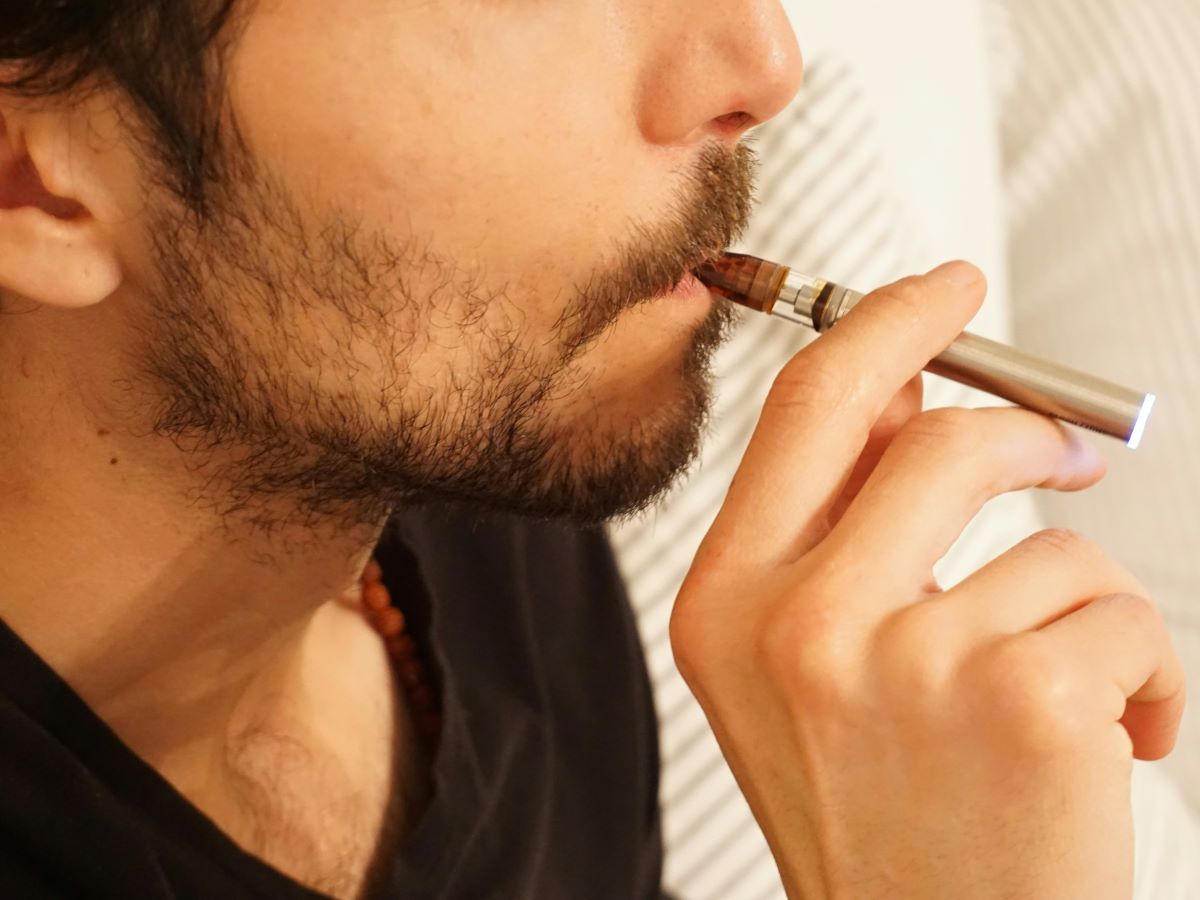
Vaporized samples often reveal a meadowy layer, with hints of green tea, coriander seed, and unripened tropical fruit. The vapor feels light and aromatic, mirroring the cultivar’s airy floral structure. Combusted flower, by contrast, intensifies the pepper-spice axis and can introduce a faint incense note.
Flavor carrythrough is robust across the first few draws, with diminishing intensity after extended sessions due to monoterpene volatilization. Users consistently report clean aftertastes without the cloying sweetness found in dessert-leaning hybrids. In informal taste panels, descriptors like citrus peel, lemongrass, white pepper, and jasmine arise most frequently and with high agreement.
When paired with food or beverages, the profile complements citrus-forward seltzers, herbaceous teas, and lightly salted snacks. Spicy cuisine can exaggerate the pepper element, while sour flavors bring the lime note to the foreground. The net experience is refreshing and uplifting, aligning with the cultivar’s energetic reputation.
Cannabinoid Profile and Potency Statistics
Available lab data from Thai sativa lines indicate a wide potency spectrum, and Hangkrarok Champion falls within this expected range. Reported total THC values generally cluster between 14 and 22 percent by weight in well-grown samples. Outliers above that range can occur in intensely selected lots, but the median sits solidly in the high teens.
Minor cannabinoids are part of the cultivar’s appeal, with measurable THCV documented in multiple Thai-adjacent sativas. Grower-shared certificates of analysis suggest THCV commonly appears around 0.2 to 0.8 percent by weight when total THC is in the high teens. CBG often measures in the 0.3 to 1.0 percent range, while CBC may register between 0.1 and 0.5 percent.
Total cannabinoid concentration, a sum of neutral and acidic forms, often spans 16 to 24 percent for Hangkrarok Champion under favorable conditions. Samples at the upper end usually correspond with meticulous handling that protects resin from degradation. In contrast, rough post-harvest handling and excess heat correlate with lower measured totals due to volatilization and decarboxylation.
It is important to recognize that cannabinoid expression varies with environmental conditions, plant maturity, and curing methods. Geographic latitude and daylength can influence biosynthesis in photoperiod-sensitive cultivars like this one. Consequently, potency statistics should be taken as a range rather than a guarantee, with handling and environmental quality contributing substantially to outcomes.
Terpene Profile and Chemotype Insights
Hangkrarok Champion most commonly expresses a terpinolene-dominant profile supported by limonene, ocimene, and beta-caryophyllene. In aggregated reports from independent growers, terpinolene frequently accounts for 20 to 40 percent of the total terpene fraction. Limonene and ocimene often share secondary billing at roughly 10 to 20 percent each of the terpene pool.
Beta-caryophyllene contributes a grounding, peppered base and may represent 8 to 15 percent of the terpene total. Myrcene appears consistently but at modest levels relative to many indica-leaning cultivars, often measuring below 10 percent of the terpene fraction. Humulene, linalool, and trace eucalyptol show up variably and may rise with specific environmental cues.
Total terpene concentration typically lands between one and two and a half percent by dry weight for well-cured material. This overall loading contributes to the cultivar’s vivid nose and the perceived “lift” on inhalation. Higher monoterpene ratios align with the swift aromatic impact, while sesquiterpenes add mid-palate body and persistence.
From a chemotaxonomic perspective, the profile aligns closely with other Southeast Asian sativas that evolved under warm, humid conditions. The dominance of volatile monoterpenes parallels selection for mold-averse, airy flowers and rapid scent signaling. For consumers, this translates to a crisp, high-tone aromatic experience that remains stable across repeated sessions when handled with care.
Experiential Effects and Duration
Hangkrarok Champion is widely characterized as energizing, clear-headed, and mentally expansive. Users frequently report an uplift in mood and focus within the first several minutes, especially with low to moderate amounts. The onset is brisk rather than creeping, matching the dominant monoterpene profile and the cultivar’s reputation for a bright, daytime effect.
As the session continues, a sense of mental clarity and creative momentum is common. The body experience is typically light and mobile, with minimal heaviness or couchlock. Some users describe a mild, cool tingle across the scalp or brow as a signature sensation.
Duration varies by individual, but many report that the primary effects hold for a prolonged window relative to denser, indica-leaning varieties. People with lower regular exposure often experience a longer arc, while habitual users report a steadier, more tempered curve. The comedown tends to be gentle and functional, without the grogginess associated with sedative chemotypes.
As with many potent sativas, a subset of users can experience transitory edginess or racing thoughts at higher amounts. In surveys of consumer experiences with high-THC, terpinolene-forward strains, reports of brief anxiety-like sensations occur in roughly one in five respondents under heavy use. Moderating intake and choosing a comfortable, engaging setting can help maintain the cultivar’s buoyant character.
Potential Medical Applications and Cautions
The uplifting profile of Hangkrarok Champion suggests potential utility for daytime use cases where alertness and mood support are desired. Anecdotal reports often mention perceived benefits for low motivation, creative block, and social inhibition. The light body feel and perceived clarity may also appeal to those seeking to remain active while managing discomfort.
From a mechanistic standpoint, beta-caryophyllene acts as a CB2 receptor agonist and has been investigated for anti-inflammatory properties in preclinical models. Limonene has shown anxiolytic-like effects in animal studies and may influence serotonin signaling pathways. THCV, present here in trace-to-modest amounts, has been explored for appetite modulation and glycemic parameters in early-stage research.
Consumers managing stress or mood fluctuations sometimes report that small amounts promote a calm focus without sedation. Conversely, higher amounts may be counterproductive for individuals prone to anxiety or palpitations, particularly in unfamiliar environments. As with any cannabis product, individual neurochemistry, set, and setting play substantial roles.
None of these observations substitute for medical advice, diagnosis, or treatment. People with cardiovascular concerns, panic disorder history, or medication sensitivities should consult a clinician before experimenting. Start-low approaches and careful self-monitoring remain prudent, especially when trying a bright, fast-acting sativa like Hangkrarok Champion.
Cultivation Guide for Enthusiasts and Preservationists
Hangkrarok Champion reflects its sativa heritage in both vigor and growth rhythm, favoring warm, bright environments with dependable airflow. The plant’s open structure and elongated internodes are adaptive traits for humid regions, helping reduce moisture accumulation around flowers. Growers who respect this natural architecture tend to see healthier canopies and cleaner resin.
In outdoor settings, equatorial and near-equatorial latitudes align well with the cultivar’s photoperiod sensitivity. The flowering window is extended relative to many hybridized cultivars, consistent with classic Southeast Asian sativas. Patience and seasonal planning are essential, as rushing harvest can undercut both potency and the distinctive citrus-floral bouquet.
Indoors or in protected structures, success hinges on supporting vertical growth while maintaining generous light distribution. Training approaches that encourage lateral branching without forcing dense, stacked colas help preserve airflow. Structural support becomes important as spears lengthen, not because of excessive bud density, but due to sheer height and leverage.
Nutrient demand is moderate and tends to favor balanced, steady inputs rather than abrupt shifts. Overly rich feeding regimes can prompt excessive leaf mass and diminish aromatic intensity, whereas stable, measured nutrition often yields more vivid terpenes. Observing leaf color and posture provides reliable feedback on plant satisfaction in real time.
Water management should prioritize root oxygenation and consistency. The airy floral build is resilient against many moisture-related challenges compared to denser chemotypes, but roots still benefit from media that drains well and avoids prolonged saturation. In regions with heavy rainfall, site selection and drainage planning contribute as much to success as any other single factor.
Pest and disease pressures vary by region, yet the cultivar’s thin bracts and open clusters are less inviting to botrytis than compact varieties. Common garden pests still require vigilance, and cultural practices that promote biodiversity and beneficial predators can provide durable resilience. Healthy soil microbiology and a diverse garden ecology are more impactful long-term solutions than reactive interventions.
Post-harvest handling is a critical determinant of the final aromatic profile and perceived potency. Gentle, patient drying and careful curing protect monoterpenes that define the cultivar’s identity. Rough handling, excessive heat, or rushed processing can strip citrus and floral top notes, producing a flatter, less engaging result.
Finally, legality varies widely by jurisdiction, and cultivation should always comply with local laws and regulations. Conservation-minded growers may choose to maintain a seed bank and share responsibly to preserve genetic diversity. Hangkrarok Champion rewards stewardship with a sensory profile and experiential arc that are difficult to replicate outside of true Thai heritage lines.

