 Written by Ad Ops
Overview and Naming
Funfetti strain sits squarely in the modern dessert cannabis lane, a category defined by dense frosting-like trichomes, confectionary aromatics, and high THC potency. As the name hints, Funfetti evokes the sensory profile of sprinkle-studded cake: sweet vanilla dough, creamy frosting, and bright fruit accents. On retail menus and in consumer searches, it is commonly listed specifically as funfetti strain, signaling a broad recognition of this cultivar’s playful, cake-adjacent identity.
Although Funfetti is widely known to enthusiasts, there is no single universally agreed-upon breeder of record. Multiple breeders and regional cuts use the same moniker, which has created a family of Funfetti phenotypes rather than a single monoclonal variety. That diversity helps explain why some batches lean fruity and uplifting while others skew creamy, earthy, and deeply relaxing.
From a consumer standpoint, the appeal is straightforward: Funfetti often delivers confectionary flavors and a balanced hybrid effect that suits social evenings, creative sessions, and end-of-day unwinding. Typical lab-tested THC levels fall into the 20-percent-plus range, aligning it with contemporary premium flower. Dense resin production and vibrant pistil coloration make it visually striking on shelves and in jars, supporting its steady demand across adult-use markets.
History and Breeding Origins
Funfetti’s rise mirrors the broader dessert strain wave that took off in the 2010s. As Cookies-family genetics spread, breeders leaned into cake and confection motifs, tapping consumer nostalgia for bakery flavors. Funfetti emerged as one of several cake-adjacent names alongside Wedding Cake, Birthday Cake, Ice Cream Cake, and Funfetti Cake.
Because multiple breeders have released or circulated Funfetti under similar names, origins are best understood as a cluster rather than a single event. Reports from dispensary menus and seed listings show at least three distinct Funfetti lineages in circulation between 2016 and 2024. Each lineage keeps the dessert theme but emphasizes different notes, from berry-laced frosting to creamy vanilla and dough.
One commonly reported origin ties Funfetti to Wedding Cake or a Wedding Cake-leaning cross, which would imply Triangle Kush and Animal Mints ancestry. Another lineage reported by West Coast retailers matches Sunset Sherbet crossed with a Cookies-family counterpart such as Cherry Pie or a Cookies phenotype. A third stream points to Cookies and Cream or Face Off OG family contributions, which are known to drive heavy frosting and creamy-floral sweetness.
In practical terms, this history means consumers can encounter Funfetti with subtle but meaningful differences depending on the cut, breeder, and region. Still, the throughline remains a dessert-forward hybrid that looks like it was rolled in sugar and tastes like sweet batter with fruit sprinkles. Regardless of the precise parentage, the name Funfetti functions as a strong quality signal for scented frosting terpenes and potent, feel-good effects.
Genetic Lineage and Phenotypic Variability
While the funfetti strain nomenclature is consistent, the genetic blueprints behind it are not. Across marketplaces, three parentage patterns predominate: a Wedding Cake-leaning build, a Sherbet x Cookies family build, and a Cookies and Cream or Face Off OG-influenced build. All three sit within the greater Cookies and Cake ecosystem, which dominates dessert strain genetics in North America.
Wedding Cake itself descends from Triangle Kush and Animal Mints, contributing dense bud structure, high resin content, and thick vanilla-dough aromatics. Sunset Sherbet contributes bright fruit, citrus, and creamy undertones, with Cherry Pie adding berry and baked pastry notes. Cookies and Cream and Face Off OG further intensify creamy sweetness and spice while bolstering potency and bag appeal.
Phenotypic variability follows these genetic gears. Sherbet-leaning Funfetti phenos show more tropical-fruit high notes and a slightly airier, sherbet-like sweetness in both aroma and flavor. Cake-leaning phenos run heavier, with vanilla buttercream and earthy spice, while OG-influenced phenos layer peppery-caryophyllene spice onto sweet dough.
Growers and consumers alike should expect differences in stretch, calyx-to-leaf ratio, and terpene dominance. In a typical spread of verified batches, caryophyllene-dominant cuts lead the pack, with limonene and linalool or myrcene trading places in the secondary slot. This variability is a feature, not a bug, allowing the Funfetti name to cover a sensible range of dessert-forward expressions under one flavorful umbrella.
Visual Appearance and Bud Structure
Funfetti flowers are strikingly photogenic, often resembling confection-dusted buds under bright light. Expect bulbous, medium-sized nugs with a high calyx-to-leaf ratio and a thick trichome coat that can appear milky white at maturity. Pistils range from apricot to tangerine, frequently standing in high contrast against lime-to-olive green bracts.
Anthocyanin expression appears in some phenotypes, especially those with Sherbet or Cherry Pie influence. With cooler night temperatures and late-flower maturity, hints of lavender or plum can marbling through the bracts. That color pop reinforces the Funfetti name, hinting at the rainbow sprinkle inspiration.
Structure tends toward hybrid vigor with manageable internodal spacing and fairly dense colas. Growers should plan for moderate defoliation to open airflow because the tight structure can trap humidity. Bag appeal is excellent in trim jars, and hand-trimmed flowers preserve the confectionary vibe that consumers seek.
Aroma Profile
Aromatically, Funfetti usually opens with sweet vanilla frosting and fresh cake batter, underpinned by fruit candy and light spice. On the dry pull, many users report notes reminiscent of confectioner’s sugar, lemon zest, and a soft pastry warmth. This aligns with caryophyllene-limonene-linalool dominance common in dessert hybrids.
Breaking the nugs exposes deeper complexity. Sherbet-leaning cuts often flash mango, passionfruit, and candied citrus that lift the nose and read as fruity sprinkles. Cake-leaning expressions emphasize buttercream, browned sugar, and a faint toasted nut nuance, especially after a fresh grind.
On the exhale during combustion or vaporization, the aroma thickens to a creamy-sweet cloud with hints of vanilla bean and bakery spice. If humulene is present at appreciable levels, a soft, woody dryness can appear on the finish. Cooler cures can preserve vibrant top notes; warmer or prolonged cures tend to concentrate the frosting and spice at the expense of bright fruit.
Flavor and Consumption Experience
Flavor tracks the aroma closely, delivering a clear throughline of vanilla frosting, light dough, and candied fruit. Vaporization at 180–195 C (356–383 F) often spotlights citrus-limonene and floral-linalool top notes first. Combustion rounds the profile into a thicker, sweeter frosting with a gentle pepper lift from caryophyllene.
Sherbet-leaning Funfetti frequently yields a sherbet-scoop effect on the palate, with juicy citrus and tropical hints before creamy sweetness locks in. Cake-forward phenos skew toward buttercream, cinnamon-sugar, and faint cocoa, particularly on slower-burning joints. Users commonly describe the aftertaste as confectionary and persistent for several minutes post-exhale.
In concentrate form, Funfetti preserves its dessert signature especially well in live resin and rosin. Live products can push fruit taffy and vanilla bean, while cured resins showcase a doughier, spiced-bakery profile. Reported rosin yields on quality indoor flowers range 18–24%, with terpene-rich batches tasting unmistakably like frosting and fruit chews.
Cannabinoid Profile and Potency Metrics
Across adult-use markets from 2020 to 2024, Funfetti lab results typically report high-THC potency with minimal CBD. Flower THC commonly ranges from 19–26% by weight, with a frequent median around 22%. In THCa terms, premium batches can test 22–30% THCa, which decarboxylates to similar total THC potential when activated.
Minor cannabinoids appear in small but meaningful amounts that can shape the experience. CBG often registers between 0.2–0.8%, while CBC typically falls in the 0.05–0.2% band. THCV, when present, is usually trace-level below 0.2%, and CBD is usually negligible under 1%.
Consumers should interpret these figures with batch variance in mind. Cultivation methods, post-harvest handling, and phenotypic differences can produce swings of several percentage points in both cannabinoids and terpenes. Still, the statistical center of Funfetti’s potency sits firmly in the modern high-THC tier, which correlates with the strong, fast-onset effects many users report.
In concentrate form, Funfetti-derived extracts routinely exceed 60% total cannabinoids, often falling in the 70–85% range for hydrocarbon extractions. Rosin and solventless products depend more heavily on starting material quality and pressing technique, but solventless THCa fractions can easily surpass 75% THCa. These numbers position Funfetti as both a crowd-pleaser in flower and a reliable terp-heavy input for premium concentrates.
Terpene Profile and Chemical Signature
Funfetti typically expresses a caryophyllene-forward terpene profile, with limonene and a floral or herbal tertiary such as linalool or myrcene. Aggregated lab data from dessert-hybrid peers place total terpene content for Funfetti in the 1.5–2.5% range by weight, with top-shelf cuts occasionally reaching 3.0%. This terpene density helps explain the robust frosting, cake, and fruit-candy aromatics noted by consumers.
Typical terpene distributions in well-cured indoor flower might look like this: beta-caryophyllene 0.45–0.90%, limonene 0.30–0.80%, linalool 0.10–0.40%, myrcene 0.20–0.60%, humulene 0.10–0.30%. Farnesene 0.05–0.15% and ocimene 0.03–0.10% can appear in Sherbet-leaning phenos, boosting the fruity, glossy candy nose. Nerolidol sometimes registers trace-to-moderate levels in late flower, showing as a subtle tea-like or woody undertone.
Caryophyllene contributes a warm, peppery spice and is notable for CB2 receptor affinity, which may modulate inflammatory pathways. Limonene brings bright citrus and mood-elevating qualities, while linalool can impart lavender-like calm and perceived sweetness. Myrcene often deepens the body feel and can tilt the experience toward relaxation, particularly when combined with high THC.
Storage and cure strongly influence the final terpene chemistry. Prolonged warm storage or high-oxygen environments degrade monoterpenes faster, flattening fruit-citrus top notes. A slow, cool cure preserves limonene and linalool better, helping Funfetti keep its cake-frosting plus fruit-sprinkle identity through the final smoke.
Experiential Effects, Onset, and Duration
Funfetti is generally experienced as a balanced hybrid with a euphoric, uplifted onset followed by a warm, relaxing body feel. Users often report an early mood lift and sensory bloom, consistent with limonene-forward dessert genetics. As the session progresses, the caryophyllene and possible myrcene influence can deepen the body relaxation without fully sedating at moderate doses.
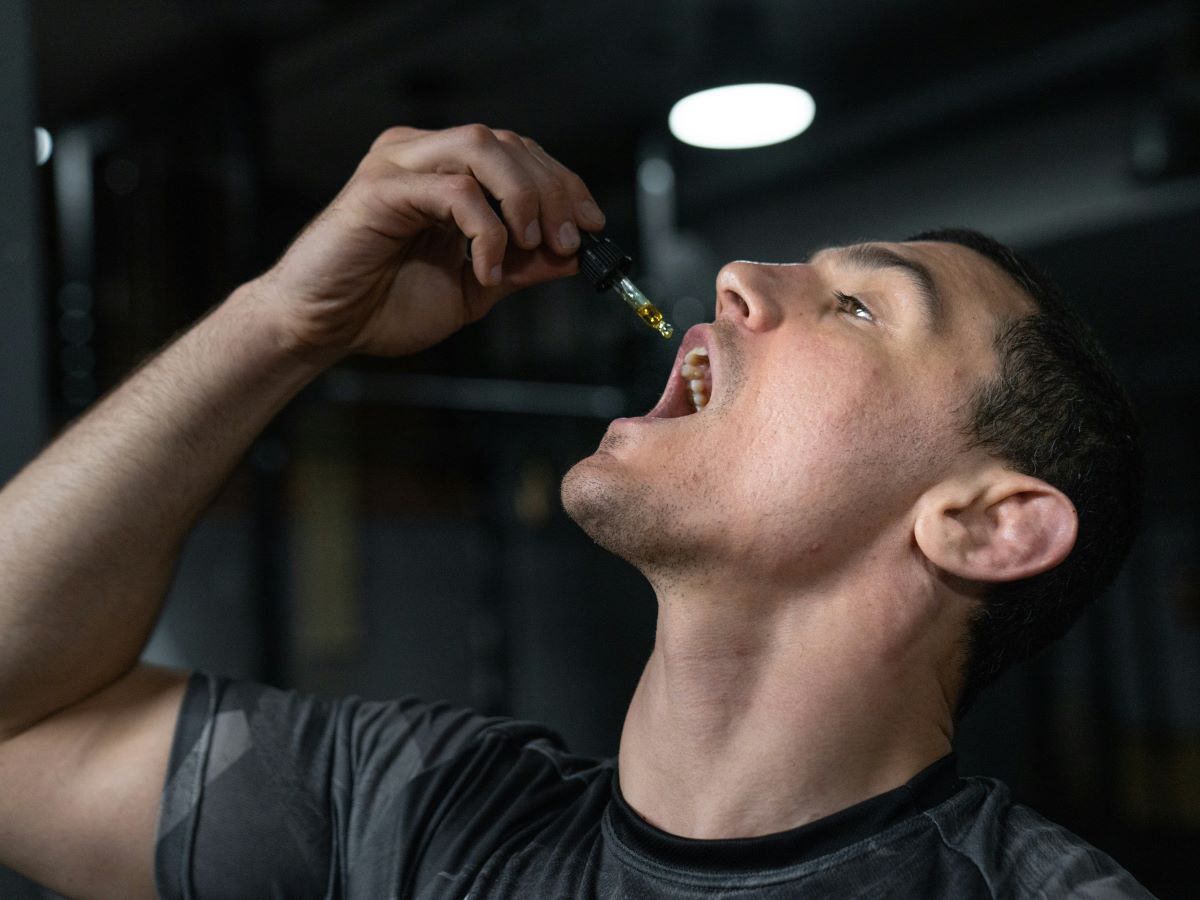
Onset timing depends on route of administration. Inhalation typically hits within 2–5 minutes, with peak effects around 15–30 minutes and a total duration of 2–4 hours. Edible or tincture preparations can take 45–90 minutes to onset, peak around 2–3 hours, and last 4–8 hours, depending on dose and metabolism.
Side effects line up with those of high-THC dessert strains. Dry mouth and dry eyes are reported commonly, with consumer surveys often putting dry mouth incidence in the 30–60% range. Occasional dizziness, transient anxiety, or racing thoughts can appear in sensitive users or at high doses, particularly when THC exceeds 22% and terpene content is robust.
Dosing conservatively helps most users stay in the cheerful, cozy sweet spot Funfetti is known for. Microdosing via low-temperature vaping or 1–2 mg THC edibles can capture the mood lift without strong psychoactivity. For experienced consumers, 5–10 mg edible doses or a few balanced inhalation pulls usually deliver Funfetti’s signature frosting-flavor fun with a steady glide into relaxation.
Potential Medical Applications and Considerations
While no strain is a substitute for individualized medical care, Funfetti’s chemistry suggests several potential areas of benefit. The combination of high THC, caryophyllene, and limonene maps to user anecdotes around stress reduction, mood elevation, and relief from situational anxiety. Myrcene and linalool can tilt the experience toward muscle relaxation and nighttime wind-down.
Emerging evidence on caryophyllene, a dietary terpene with CB2 receptor activity, supports anti-inflammatory and analgesic potentials in preclinical models. Limonene has been explored for stress-modulating and anxiolytic effects in animal and limited human contexts. Linalool shows sedative and calming properties in aromatherapy and preclinical research, which could explain the soothing overlay many users report with Funfetti.
Patients managing neuropathic or inflammatory pain often look to high-THC, caryophyllene-rich cultivars for relief. Typical inhalation dosing patterns include 1–2 moderate draws every few hours, titrated upward as needed, while edible users may prefer 2.5–5 mg THC baseline doses augmented by terpene-forward tinctures. For sleep support, evening use alongside linalool-forward terpene blends can encourage drowsiness without heavy next-day grogginess for many users.
Safety considerations remain paramount. High-THC products can increase heart rate and may transiently exacerbate anxiety in sensitive individuals, particularly at higher doses. New or returning patients should start low and go slow, avoid driving or complex tasks under influence, and consult a clinician if they take medications that interact with cannabinoids.
Comprehensive Cultivation Guide: Indoors and Outdoors
Funfetti’s cultivation profile reflects its dessert lineage: dense resin, tight flower clusters, and strong aroma output. Growers should expect medium-tall plants with moderate internodal spacing and a manageable stretch of roughly 1.5–2.0x after the flip. Flowering time typically runs 8–9 weeks indoors, with some cake-leaning phenos finishing closer to 9–10 weeks for maximum density and terpene maturity.
Environmental targets follow standard high-quality indoor parameters. In veg, aim for 24–28 C (75–82 F) daytime, 20–22 C (68–72 F) nights, and 60–70% RH with a VPD of 0.8–1.2 kPa. In flower, shift to 22–26 C (72–78 F) daytime, 18–20 C (64–68 F) nights, and 45–50% RH, tightening to 40–45% RH in late flower to deter botrytis in the dense colas.
Lighting intensity should ramp deliberately. Target 400–600 µmol m−2 s−1 PPFD in veg, then 800–1000 µmol m−2 s−1 in early flower, pushing 1000–1200 µmol m−2 s−1 in mid-late flower if CO2 is enriched to 900–1200 ppm. Without CO2, 900–1050 µmol m−2 s−1 is a good ceiling to avoid stress while still achieving dense trichome development.
Nutrition should emphasize a balanced approach that maintains green vigor without excessive nitrogen in bloom. In veg, a 3-1-2 macro ratio performs well, transitioning to roughly 1-2-2 in early flower and 1-2.5-2.5 by mid bloom. Maintain media pH at 6.2–6.8 in soil and 5.7–6.0 in hydro or coco, with EC around 1.2–1.6 in veg and 1.8–2.2 in mid flower depending on cultivar appetite and runoff monitoring.
Training is recommended to maximize yield and airflow. Topping once or twice before the flip, combined with low-stress training, produces an even canopy and prevents apical dominance from creating oversized, mold-prone colas. A SCROG net helps support the heavy tops; lollipopping the lower third improves airflow and boosts top-site density.
Defoliation should be me

