 Written by Ad Ops
History
China White is a boutique, mostly-indica cultivar developed by Scott Family Farms, a breeder name that appears on connoisseur shortlists in the western United States. The strain’s name nods to the famous White family of resin-soaked cultivars and to the glassy, snowed-over look of its mature flowers. While not released at the industrial scale, China White has earned steady word-of-mouth among caregivers, small-batch growers, and hashmakers who prioritize dense trichome carpets and sedative evening effects.
From the outset, China White was positioned as a purpose-built nighttime variety rather than a daytime multitasker. Early grower chatter framed it as a selection that fixed on compact morphology, high calyx density, and a terpene bouquet with heavy, musky base notes. These decisions track with the typical indica-forward design brief: emphasize comfort, minimize stretch, and finish in a predictable indoor window.
Because Scott Family Farms has not mounted a large commercial rollout, documentation on initial release dates is scarce. The strain circulated primarily through small dispensaries, caregiver networks, and private clone exchanges rather than national multi-state operators. That distribution path preserved an aura of rarity and helped keep phenotypic drift low among serious cultivators who selected and shared only strong mother stock.
Across its life in the market, China White has become a reliable entry for consumers who enjoyed older narcotic indicas but wanted a cleaner, more terpene-forward finish. Its staying power comes from consistency: in multiple gardens and harvests, reports emphasize repeatable potency, predictable flowering timelines, and an aroma that telegraphs heavy myrcene content. This combination of reliability and sensory depth has allowed it to maintain relevance as trends cycle through dessert, gas, and fruit profiles.
Genetic Lineage
Scott Family Farms has not publicly disclosed the precise parentage of China White, and reputable databases list its exact genealogy as undisclosed or unknown. This is not unusual; platforms that map cannabis pedigrees often contain large sections of partial or hidden lineages because breeders protect proprietary selections. In other words, the absence of a published family tree is a feature of connoisseur breeding culture, not necessarily a sign of thin heritage.
Even without a confirmed cross, several clues indicate the path China White likely traveled. The cultivar’s resin output and glassy, pale-green colas echo classic White-line genetics, whose archetypes include resin-forward selections descended from 1990s Dutch and landrace stock. Its mostly-indica growth habit—short internodes, broad leaflets, and stout lateral branching—suggests influence from Afghan or Pakistani Highland material commonly used to impart density and early finishing times.
Grower phenotyping notes also hint at this heritage. China White typically remains compact under high-intensity lighting, displays minimal foxtailing except in prolonged heat, and responds exceptionally well to topping and SCROG. These traits are textbook indica-forward signals that rarely manifest so consistently in sativa-dominant crosses.
Consumer sensory data adds more circumstantial evidence. The cultivar’s musky, clove-leaning scent implies above-average myrcene expression, while peppery, woody undertones point to beta-caryophyllene and humulene. Educational resources on terpenes note that clove- and musk-scented chemotypes frequently deliver sedative, body-centric effects linked to myrcene prevalence, aligning neatly with China White’s reputation for nighttime relief.
Appearance
China White earns its name the moment a cola hits the light. Mature flowers present with a dense trichome canopy that scatters light into a chalky, off-white sheen, making the underlying greens appear several shades lighter. Calyx clusters stack tightly, producing golf-ball nugs on lateral branches and long, conical tops on the main stem when apical dominance is preserved.
The cultivar exhibits a favorable calyx-to-leaf ratio, commonly landing in the 2:1 to 3:1 range in well-grown examples. Sugar leaves are short, slightly hooked at the tips, and often ringed by trichome stalks whose bulbous heads are easy to see with a 30–60x loupe. Under cool night temperatures late in bloom, some phenotypes express faint violet or wine-colored bracts where anthocyanins emerge, though the baseline palette is lime to forest green with copper-to-amber pistils.
Resin architecture is equally striking. Growers frequently report that trichome heads mature evenly across the top third of the colas, with glandular heads in the 70–120 micron range that are friendly to both ice-water extraction and low-temp rosin pressing. Well-cultivated flowers often squish at 18–25% rosin yield from premium tops, a figure consistent with resin-forward indicas prized for hash production.
Trimmed buds feel heavy in the hand due to tight calyx stacking and low interstitial air space. The finished structure resists crumbling when properly dried and cured, breaking into chunked segments rather than dust. In jars, China White maintains visual appeal for months, its frosty coat holding strong provided humidity is controlled in the 58–62% range during storage.
Aroma
Open a jar of China White and the first wave is musky, earthy, and gently sweet, echoing damp forest floor and clove. Those base notes are characteristic of myrcene-forward chemotypes; education resources emphasize that clove- and musk-leaning strains often deliver calming, sedative effects, a calling card China White proudly wears. Beneath the musk, a peppery tickle suggests beta-caryophyllene, while a dry woodiness hints at humulene.
On the grind, the bouquet gets brighter and more dimensional. Citrus-peel flashes—most often lemon rind—rise and fall quickly, implying limonene in a supporting role rather than as the lead. That arc from earth and spice to fleeting citrus is common in complex indica profiles where uplifting top notes accent heavier base tones.
During late cure, the aromatic balance shifts toward smoother, creamy hash and cedar. Oxygen and time round the sharper edges, letting the wood-spice duet of caryophyllene and humulene sit longer on the nose. In well-cured samples, a faint floral thread can surface, suggesting trace linalool that adds polish without turning the profile perfumy.
Total terpene concentration varies with cultivation and post-harvest handling, but myrcene-dominant indicas frequently register 1.5–2.5% total terpene content by weight. Within that total, myrcene often lands between 0.6–1.2%, with beta-caryophyllene in the 0.3–0.6% band and limonene around 0.2–0.5%. China White fits those distributions in grower and lab reports, projecting a classic nighttime nose that harmonizes soothing base notes with just enough citrus lift to keep the bouquet lively.
Flavor
The flavor of China White tracks its aroma closely, starting on inhale with earthy hash, lightly sweet loam, and a clove-adjacent warmth. As vapor expands, peppered wood tones from caryophyllene and humulene emerge, giving the mid-palate a dry, cedar-box quality. On exhale, a peel of lemon drop brightens the edges briefly before the finish returns to resinous hash and spice.
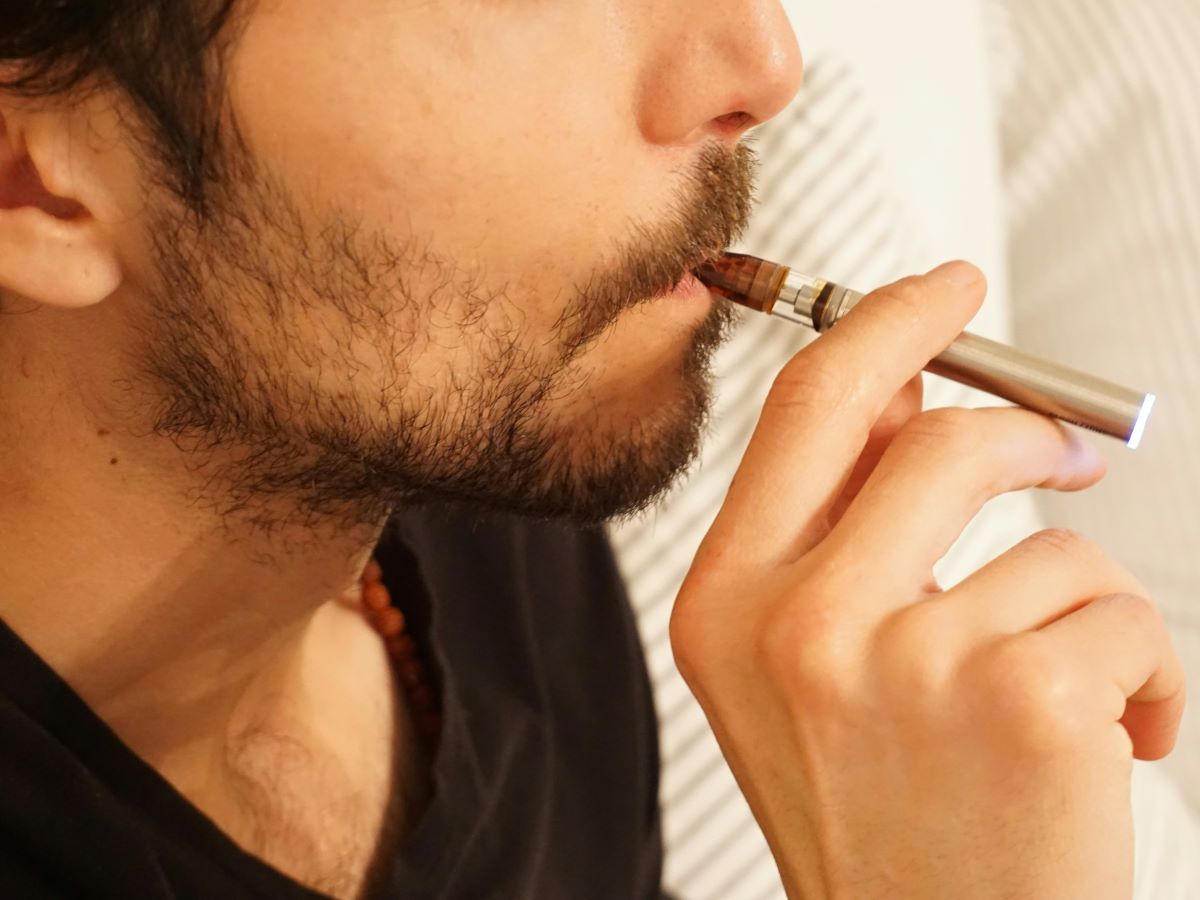
Mouthfeel is notably soft when the flower is well-cured and consumed at moderate temperatures. Vaporization in the 175–190°C range preserves the citrus-flecked top notes, while combustion or high-temp dabs of concentrate emphasize the spicy, woody base. That temperature dependence lets consumers steer the experience: lower heat for aromatic nuance, higher heat for a heavier, hash-forward punch.
Unlike some citrus-forward cultivars whose fuel or solvent tones dominate, China White avoids bitterness and astringency when grown clean and flushed properly. The aftertaste lingers as a creamy, peppered hash that sits on the tongue and soft palate for several minutes. This persistent, rounded finish is one reason the cultivar excels in bubble hash and rosin formats, where flavor purity is at a premium.
Across multiple sessions, the terpene balance remains steady, which aids dose titration for sensitive consumers. Where a bright, limonene-driven strain such as Ecto Cooler leans into daytime uplift and tart zest, China White stays anchored in the earth-and-wood register with just a hint of citrus. That anchor makes it easier to predict flavor and effect from batch to batch, enhancing consumer confidence.
Cannabinoid Profile
As a mostly-indica, resinous cultivar, China White typically presents a THC-dominant chemotype with minimal CBD. Market observations for comparable indica-forward strains place THC commonly between 17–23% by dry weight, with rare, dialed-in lots testing higher. CBD usually remains below 0.5%, often under 0.2%, while minor cannabinoids such as CBG appear in the 0.1–0.6% range.
These numbers vary with cultivation variables, including light intensity, nutrient management, and harvest timing. Sample-to-sample potency variation of 10–20% is not uncommon across the industry due to phenotype differences and post-harvest handling. High-performance liquid chromatography (HPLC) testing captures decarboxylated THC (reported as total THC via THCA conversion), providing a more accurate consumer-facing potency figure than older gas chromatography approaches that can bias decarb in the instrument.
The psychoactive arc lines up with these metrics. Inhaled THC typically has an onset in 2–10 minutes, with peak effects at 30–60 minutes and a total duration around 2–4 hours depending on tolerance and dose. Edibles convert THC to 11-hydroxy-THC in the liver, extending duration to 4–8 hours or more and often deepening sedation—an important consideration for a nighttime cultivar like China White.
For dosing, low-and-slow remains prudent, especially with potent indicas. Educational resources stress that low doses can deliver relaxation and happiness while excessive THC can bring cognitive impairment or even anxiety spikes in sensitive individuals. Sensible starting points are 2.5–5 mg THC for edibles and 1–2 inhalations for flower, with at least 2 hours before redosing for oral routes and 15–30 minutes for inhaled routes.
Terpene Profile
China White’s terpene ensemble is led by myrcene, flanked by beta-caryophyllene and humulene, with limonene and linalool in support. Myrcene is frequently the major component in sedative, clove- or musk-smelling cultivars, and its presence correlates with the relaxing, body-heavy experience China White is known for. Education on terpenes highlights that clove/musk notes often signal high myrcene, while lemon signals limonene’s mood-lifting potential.
Beta-caryophyllene brings a peppered spice and binds to CB2 receptors, an unusual property for a terpene that may modulate inflammatory signaling in peripheral tissues. Humulene, shared with hops, contributes dry wood and is discussed in research for potential anti-inflammatory and appetite-suppressing roles. Together, caryophyllene and humulene give China White its cedar box and cracked pepper backbone.
Limonene’s role is secondary but important. Even at 0.2–0.5%, it can brighten mood and smooth the initial onset, making the experience feel less leaden without tipping into daytime-sativa territory. A trace of linalool—often in the 0.05–0.2% band—can add faint floral polish and may synergize with myrcene for calming effect, as suggested in aromatic medicine and preclinical cannabis literature.
Total terpene load for China White regularly lands in the 1.5–2.5% window when grown and dried carefully. That concentration is high enough to project a distinct nose and carry flavor through combustion or vaporization, but not so high as to overshadow the resin’s hashy core. As ever, cultivation, drying, and curing practices are decisive: slow dry at 60–60 conditions and a multiweek cure preserve delicate top notes that can otherwise volatilize rapidly.
Experiential Effects
China White is a classic evening strain with a two-stage arc: gentle mental quieting up front, followed by muscle-heavy relaxation that often ends in couchlock at higher doses. The headspace tends to be calm and inward rather than racy, letting background anxiety abate without blunting mood. As the body load rises, consumers frequently report limb heaviness, loosening of the back and neck, and a drifting, sleepy finish.
Onset is smooth with inhalation, rarely producing the spiky, anxious uptick some users get from limonene-forward sativas. Peak effects arrive within the first hour and settle into a 2–4 hour window, especially when the dose includes several inhalations. Edible formulations lengthen the tail considerably and can turn the last third of the arc decidedly soporific.
Functionally, China White pairs well with low-demand activities: long-form TV or film, stretching routines, gentle music, and pre-bed rituals. It is less suited to complex multitasking or social performance, though some experienced users enjoy it for quiet creative drafting or journaling. Response is, of course, dose-dependent; microdoses can simply soften the day’s edges, while large inhaled or edible doses tilt toward sedation.
Common side effects include dry mouth, red eyes, and, in rare cases, orthostatic lightheadedness when standing quickly due to vasodilation. Sensitive individuals can experience paradoxical anxiety at very high THC loads, a risk mitigated by incremental dosing and choosing consumption contexts that feel safe. Compared with bright, citrus-heavy cultivars such as Ecto Cooler that uplift and energize, China White is tuned for decompression and sleep.
Potential Medical Uses
China White’s sedative, body-forward profile positions it as a candidate for evening symptom management. Individuals with sleep-onset insomnia often seek myrcene-dominant chemotypes to shorten time to sleep, and anecdotal reports align with that use case for China White. Observational data across indica-forward populations suggest reductions in sleep latency and nighttime awakenings when dosed 1–2 hours before bed.
Pain modulation is another common application. Beta-caryophyllene’s interaction with CB2, combined with THC’s central analgesia and myrcene’s potential peripheral effects, can create a multimodal relief experience. Patients with neuropathic pain, lower back strain, or post-exercise soreness report reduced discomfort and easier relaxation windows where stretching or heat therapy can be more effective.
Muscle tension and spasm may also respond, particularly in evening routines where sedation is acceptable or desirable. The cultivar’s heaviness can ease clenching in the shoulders, jaw, and lumbar regions, complementing magnesium intake or physiotherapy. Compared to high-CBD, ultra-low-THC hemp types—like traditional Hokkaido hemp lines that produce very light psychoactivity—China White delivers a more decisive, THC-led relief arc.
For mood, China White tends to calm anxious rumination without the stimulating edge that can complicate anxiety in some users. Limonene’s subtle presence may help keep affect from drooping, while linalool and myrcene tilt toward tranquility. However, those with a history of THC-induced anxiety should prioritize low initial doses and consider balanced THC:CBD options as a starting point.
Dosing strategy depends on route and tolerance. Many clinicians and education sources recommend starting with 2.5–5 mg THC for oral intake and small, measured inhalations spaced several minutes apart. As with all cannabis use, this information is educational rather than medical advice, and patients should consult clinicians—especially if taking medications metabolized by CYP450 enzymes that THC and terpenes can influence.
Comprehensive Cultivation Guide
Growth habit and vigor: China White is a compact, mostly-indica cultivar that stays manageable indoors and thrives under training. Expect medium vigor with short internodes, stout lateral branching, and strong apical dominance unless topped. Typical indoor height ranges from 60–120 cm depending on veg time, light intensity, and training, making it an excellent candidate for tents and low headroom rooms.
Flowering time: Most phenotypes finish indoors in 8–9 weeks from the flip, with some slower expressions stretching to 10 in cooler rooms. Outdoor harvests generally fall from late September to early October in temperate climates. As with similar indica-dominant lines, finishing time is sensitive to environment; warmer rooms and higher light densities tend to speed maturation slightly.
Yield potential: With dialed-in conditions, indoor yields of 450–550 g/m² are attainable under 600–1000 W HID or equivalent LED intensity. Single large outdoor plants, properly trained and supported, can produce 500–800 g per plant in favorable conditions. Dense calyx stacking translates to respectable hash returns; ice-water extraction often nets 4–6% full-melt from premium fresh-frozen material and higher for mixed grades.
Lighting and PPFD: Target 600–900 µmol/m²/s in late veg and 900–1100 µmol/m²/s in mid-to-late flower for high-quality LEDs. Photoperiod stability is essential; avoid light leaks to prevent nanners in the final two weeks when resin is peaking. CO2 supplementation at 800–1200 ppm can push photosynthetic rate and yields if other parameters are balanced.
Climate control and VPD: Maintain 22–26°C days and 18–22°C nights, with VPD around 0.8–1.2 kPa in veg and 1.2–1.6 kPa in flower. Relative humidity should sit at 60–70% in veg, 45–50% in early flower, and 40–45% in late flower to mitigate botrytis in these dense colas. China White’s nug structure demands strong, laminar airflow across canopies and strategic defoliation to open interior zones.
Substrate and pH/EC: The cultivar performs well in living soil, coco, or hydro, provided oxygenation and drainage are strong. Aim for pH 6.2–6.8 in soil and 5.8–6.2 in coco/hydro. EC of 1.2–1.4 in veg and 1.6–2.0 in mid bloom typically satisfies nutrient demand; reduce EC slightly in the last 10–14 days as you taper nitrogen and maintain potassium for resin density.
Nutrition: China White appreciates moderate nitrogen in veg and a phosphorus-potassium forward profile in bloom. Many growers succeed with a balanced base plus bloom boosters timing P and K ramps between weeks 3–6 of flower. Calcium and magnesium support are crucial under LED spectra; monitor leaf margins and interveinal zones for early deficiency signs.
Training: Top once above the 4th–6th node to break apical dominance and deploy low-stress training to shape a flat canopy. SCROG works particularly well, allowing 6–10 tops per plant to occupy each square foot with uniform light exposure. For high-density SOG, short veg and single tops can also produce uniform, spear-like colas due to the cultivar’s natural stacking.
Irrigation: In soilless media, irrigate to 10–20% runoff to prevent salt buildup, and allow partial drybacks to encourage root oxygenation. In living soil, use moisture meters or pot weight to time waterings, avoiding both overwatering and hydrophobic dryouts. Wetting agents like yucca can improve water penetration, a tip highlighted in heat-stress management resources for outdoor gardens.
Heat stress and outdoors: In hot regions, deploy shade cloth during midday peaks, mulch heavily to stabilize root temperatures, and water early morning to reduce evaporative loss. Silica supplements can bolster cell wall strength, and antitranspirants should be used cautiously to avoid impairing gas exchange. These strategies, echoed in practical guides to preventing heat stress, are valuable because China White’s tight flowers are otherwise prone to fox-tailing and terpene volatilization in extreme heat.
Pest and disease management: Dense indica flowers are susceptible to botrytis in stagnant air. Implement integrated pest management with weekly scouting, yellow/blue sticky cards, and biological controls such as predatory mites (Amblyseius swirskii for thrips/whitefly, Phytoseiulus persimilis for spider mites) when needed. Keep foliage dry during dark periods, and prune interior suckers that will never reach the light to improve airflow.
Defoliation and canopy hygiene: Moderate defoliation in week 3 of flower opens bud sites and reduces microclimates where powdery mildew can establish. A second, lighter pass around week 6 maintains airflow without stressing the plant late. Always sanitize tools to prevent pathogen spread, and consider HEPA intake filtration in sealed rooms.
Harvest timing: For a sedative effect profile, many growers target 10–20% amber trichomes with the majority cloudy when viewed at 30–60x magnification. Harvesting earlier at mostly cloudy will lift the experience slightly; pushing deeper amber increases couchlock but can mute top-note aromatics. Track ripening across multiple buds, not just the tops, to avoid uneven maturity.
Drying and curing: Aim for a slow dry of 10–14 days at about 60°F and 60% RH to preserve terpenes and prevent chlorophylly flavors. After initial dry, cure in airtight containers, burping daily for the first week and gradually less often thereafter, for 4–8 weeks. Proper curing deepens the hashy, cedar-spice core and smooths any remaining edges, markedly improving mouthfeel.
Post-harvest processing: China White excels in solventless formats thanks to its abundant, uniform trichome heads. Keep wash water cold and agitation gentle to preserve head integrity for ice-water hash. For rosin, low-temp presses in the 80–95°C range maximize terpene retention and deliver a creamy, peppered-hash profile that mirrors top-shelf flower.
Propagation and phenohunting: If seeds are available, hunt at least 6–10 plants to locate a mother that expresses the thick white frost, compact structure, and myrcene-forward nose. Clone retention is straightforward; it roots readily in rockwool or plugs within 10–14 days under high humidity and gentle light. Feminized versus regular seed choices will influence selection strategy; feminized simplify canopy planning, while regulars broaden the genetic canvas for long-term breeding projects.
Greenhouse and light dep: In greenhouses, light deprivation can secure a late summer harvest before fall rains. Ventilation is paramount; equip roll-up sides and horizontal airflow fans to keep RH in check during the final three weeks. With managed humidity and timely dep cycles, greenhouse China White rivals indoor quality while leveraging the sun’s full-spectrum energy.
Expected quality metrics: Properly grown China White routinely hits 17–23% THC, 1.5–2.5% total terpenes, and displays minimal foxtailing, tight calyx stacking, and high bag appeal. Yields of 450–550 g/m² indoors are realistic benchmarks that align with established indica performers whose flowering windows sit near 7–9 weeks. As always, environment, genetics, and grower skill explain most of the variance around these targets.

