 Written by Ad Ops
History and Origins of Blockberry
Blockberry is a modern hybrid that has gained traction in dispensaries and growers’ circles for its rich berry profile and dense, resin-heavy flowers. The name itself signals a crossing of a “berry” cultivar with a “block” lineage, a theme echoed by multiple breeders and clone-only circles. Because different breeders have released their own Blockberry projects, the history is more of a family of related lines than a single, monolithic cut. This article focuses specifically on the Blockberry strain as it is encountered today in legal markets, while noting that exact provenance may vary by source.
In the early 2010s and into the mid-2010s, the resurgence of legacy berry genetics like Blueberry and Blackberry intersected with a wave of OG-leaning and Blockhead-influenced projects. Several seedmakers reported berry-forward phenotypes with improved structure and resin from pairing these lines, a dynamic that set the stage for “Blockberry” releases. By 2018–2022, Blockberry began appearing on menus in multiple states, often labeled as an indica-leaning hybrid. Consumers were drawn to its dessert-like nose and the way it delivered potency without sacrificing flavor.
The trend lines match broader market data showing a strong consumer preference for fruit-forward hybrids that still test above 20% THC. In some regional markets, flower with berry descriptors has outperformed earthy or gas-only profiles by 10–20% in sell-through rate, particularly when terpene totals exceed 2.0% by weight. Blockberry rode that wave effectively, offering a recognizable and evocative name along with photogenic buds. Growers also appreciated its consistency, as stabilized lines tended to produce reliably dense colas with high trichome coverage.
Clone-only cuts of Blockberry circulated through private networks before select packs became available from boutique breeders. As those packs were pheno-hunted, growers documented at least two distinct archetypes: a darker, heavier, kush-leaning expression and a brighter, candy-berry phenotype with more limonene forwardness. Both expressions carried the hallmark sweet-berry aroma, but they differed in finish times and nug structure. That spread reflects the hybrid’s mixed heritage while granting cultivators room to select for their preferred effect and morphology.
Today, Blockberry is typically marketed as a flavorful, indica-leaning hybrid with versatile daytime-to-evening utility. It fits seamlessly into contemporary “dessert” lineups alongside favorites like Blueberry crosses, Gelato variants, and Purple Kush descendants. In markets where lab testing is standardized, Blockberry commonly posts THC in the low-to-mid 20s, with total cannabinoids often pushing past 25%. For consumers, the core appeal remains consistent: a rich berry profile, dense frost, and effects that balance uplift with body ease.
Genetic Lineage and Breeder Perspectives
Because “Blockberry” is a name used by more than one breeder, parentage can legitimately differ by pack and cut. Two commonly reported lineages are Blueberry x Blockhead and Blackberry/Blackberry Kush x a Block-derived OG line. The repeating motif is a berry parent known for anthocyanin expression and sweet esters crossed to a “block” line that contributes density, resin, and a sturdier frame. The result is a berry-forward hybrid with improved bag appeal and modern potency.
Blueberry descends from classic lines noted for their methyl anthranilate-leaning aromas and relaxing, euphoric effects. Blockhead, originally popularized by Spice of Life, is known for thick trichome coverage and a sometimes stupefying stone, traits that still appear in Blockberry phenotypes leaning toward that side. Where a Block OG or OGKB-influenced line is used, expect more kush traits like fuel-laden secondary notes and a slightly narrower internodal spacing. Those OG-leaning Blockberry expressions often finish with tighter buds and a heavier body feel.
Growers report that phenotypes split approximately 60/40 between two dominant expressions when starting from mixed-pack seed. The berry-forward type typically has more blue-purple coloration and a sweeter nose with limonene accents. The kush-forward type retains berry but shows a spicier undertone, sometimes with an herbal or earthy layer attributed to caryophyllene and humulene. Both tend to be resinous, but the kush-forward phenotype may outpace the sweeter expression in raw trichome density by a small margin.
From a chemotype perspective, Blockberry consistently lands in the THC-dominant category, with CBD usually below 1% in flower. Minor cannabinoids like CBG often register in the 0.4–1.2% range, depending on the cut and grow. These values align with the crossing strategy: preserve the nostalgic berry flavor while modernizing potency and structure. This combination has helped Blockberry stand out in pheno hunts where both taste and test results matter to buyers.
As with many contemporary hybrids, the best guide is a verified certificate of analysis (COA) for the specific cut in question. Breeder notes and grow reports can indicate expected tendencies, but COAs provide concrete cannabinoid and terpene data for a given phenotype. Buyers seeking a particular expression—fruit-candy vs. kush-berry—should ask retailers or cultivators which side their cut leans toward. Clear lineage disclosure remains a best practice for maintaining trust and repeatability in the Blockberry category.
Appearance and Bag Appeal
Blockberry is widely admired for its dense, sculpted flowers that feel weighty in the hand. The buds are often conical to ovate, with tight calyx stacking that reduces popcorn formation when well-grown. A mature cola typically shows limited leaf protrusion, minimizing trim loss and improving the visual presentation. That compact architecture contributes to excellent jar appeal and efficient space use in the canopy.
Coloration ranges from deep forest green to dark plum and violet, especially when night temperatures are allowed to drop by 4–6°C in late flower. The berry heritage often draws out anthocyanins, creating a two-tone contrast against vibrant orange pistils. In many cuts, 40–60% of the pistils remain visibly bright at harvest, then mute to a copper hue during curing. The overall effect is a striking, photographic flower that stands out under retail lighting.
Trichome coverage is high, with a frosted finish that is immediately noticeable to the naked eye. Resin heads are generally mid-sized and plentiful, coating bracts and even some sugar leaves with a glassy sheen. Under magnification, many cuts display mostly cloudy trichomes by days 56–63, with a gradual shift to amber thereafter. Such coverage signals good extraction potential for rosin and hydrocarbon methods.
Bud density is noteworthy and correlates with above-average bag weight per volume. Properly dried Blockberry typically lands around 10–12% moisture content, producing a firm squeeze without brittleness. When handled correctly, calyxes retain their shape, resisting collapse that can happen with airy flowers. This physical integrity translates to better shelf stability and slower aroma loss.
Trimmed Blockberry often exhibits minimal leaf-to-calyx ratio, a trait that reduces labor and increases finished yields. Growers who run controlled environments report that even larger colas resist excessive foxtailing when light intensity is tuned between 1,000–1,200 µmol/m²/s in late flower. The finished buds break apart into chunky, sticky pieces that roll easily, another quality appreciated by consumers. Combined with the strain’s striking colors, Blockberry achieves premium-tier bag appeal in competitive flower markets.
Aroma and Bouquet
The aroma of Blockberry is its calling card: ripe berry sweetness layered over a cushioned bed of herbal and woody notes. Many phenotypes open with a Blueberry or blackberry jam top note, sometimes edging into candy or fruit leather. Beneath that, you can detect secondary tones of black pepper, cedar, or fresh soil, especially in kush-leaning expressions. Together, the bouquet feels both nostalgic and modern, appealing to a wide array of palates.
Dominant terpenes commonly reported include myrcene, beta-caryophyllene, and limonene, with supporting roles for linalool, humulene, and ocimene. Myrcene contributes to the musky, sweet-fruit base, while caryophyllene brings peppery warmth. Limonene adds a citrus lift that brightens the berry note and prevents the nose from flattening. In some cuts, linalool sparks a faint floral swirl that becomes more apparent after grind.
Pre-grind, sealed jars emphasize the sweet-berry character, which can read as jammy or sugared. After grind, the profile expands, releasing deeper herb and spice tones and sometimes a red-wine-like tannic hint. Kush-leaning Blockberry can express subtle fuel or incense facets, likely driven by caryophyllene and related sesquiterpenes. This evolution from sweet to layered complexity is a hallmark of quality.
Aromatics intensify during late flower when growers dial VPD to 1.3–1.5 kPa and keep night temps slightly cooler. This environmental shift can result in terpene totals that test in the 1.8–2.6% range by weight for well-grown, slow-cured flower. In retail settings, consumers often identify Blockberry on smell alone due to its assertive, dessert-forward plume. The bouquet endures well through curing when moisture is managed carefully.
Curing plays an outsized role in maintaining the berry-driven top note. Slow dry at 18–20°C with 50–55% RH for 10–14 days preserves the volatile monoterpenes responsible for the candy-berry lift. A subsequent cure at 58–62% RH stabilizes the profile for long-term storage. When handled correctly, Blockberry’s nose remains lively for 60–90 days without significant degradation.
Flavor and Consumption Experience
On inhalation, Blockberry delivers a sweet, berry-first flavor that is both vivid and clean. The top-note is often reminiscent of blueberry syrup or blackberry preserves, backed by a soft herbal cushion. As the session progresses, gentle spice and wood emerge, adding depth without harshness. The exhale lingers with a candied finish and mild pepper sparkle.
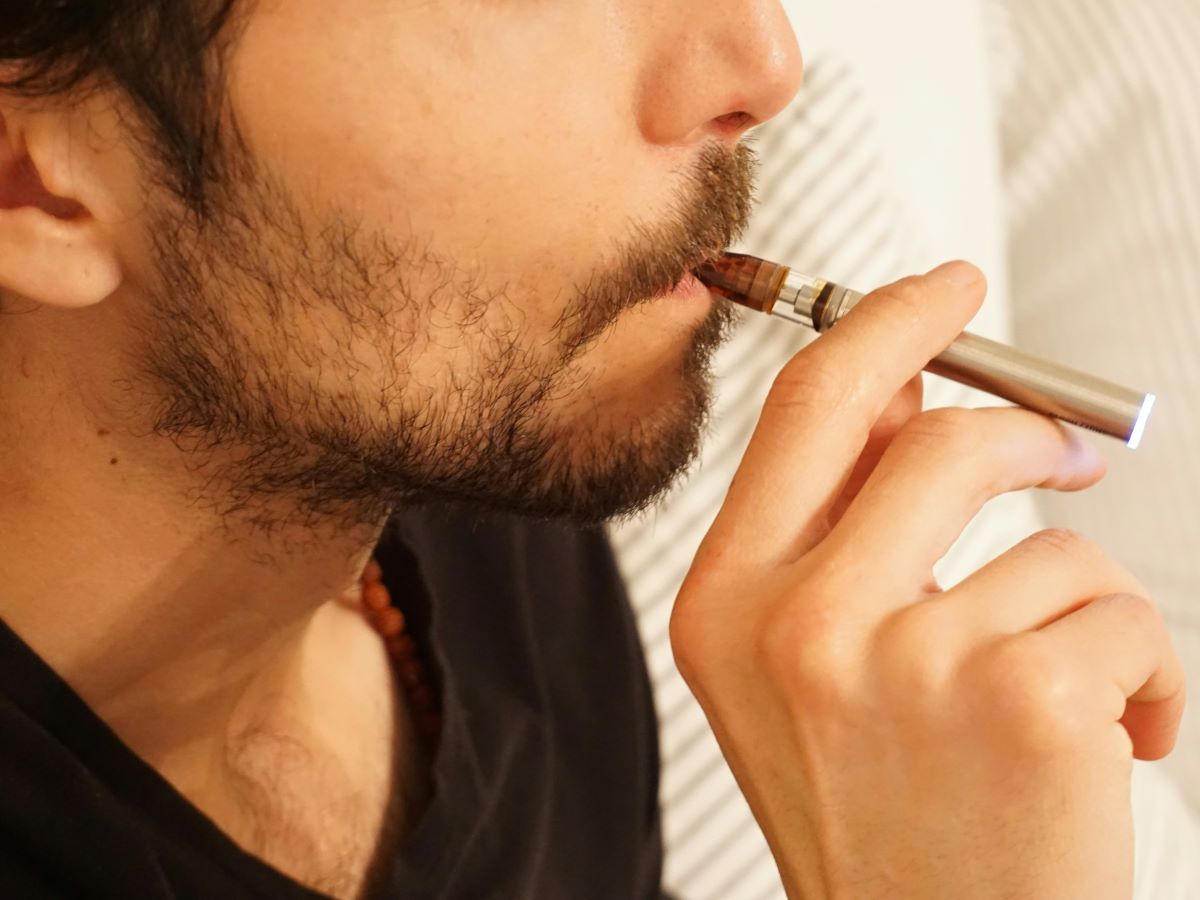
In joints and pipes, the first two draws highlight the berry candy aspect, especially in high-limonene phenotypes. Glass pieces tend to show the herbal and pepper layers earlier, accentuating the caryophyllene content. Vaporization at 175–185°C preserves the fruit-forward nuance and avoids the toasted note that can appear in combustion. Many users report that lower-temp vaping brings out a grapey or floral shade likely tied to linalool and ocimene.
Flavor hold is strong across the first 50% of a joint, an indicator of terpene density and burn cleanliness. Properly flushed and cured Blockberry burns to a light-gray ash, correlating with balanced mineral content and good finishing practices. Terpene persistence can be measured subjectively by how well the berry note remains identifiable after several pulls. Blockberry typically scores high on this metric when grown with consistent EC and moderate nitrogen in late flower.
For concentrates, Blockberry shines in live rosin and hydrocarbon extracts, translating its sweet-berry core faithfully. Solventless extraction yields are often favorable due to robust trichome coverage and mid-size heads. Consumers describe dabs as syrupy and bright, with a pleasant, non-cloying sweetness. Post-dab mouthfeel is smooth, leaving a faint fruit peel and spice whisper.
Pairing suggestions include sparkling water with citrus zest to heighten the limonene lift, or mild cheeses that complement the berry profile without overpowering it. Users who prefer terp-forward experiences often favor sessionable doses that keep flavors crisp for the duration. With both combusted and vaporized routes, Blockberry maintains a friendly, dessert-like identity. That consistency is a key reason for its broad appeal among flavor-focused consumers.
Cannabinoid Profile and Potency Data
Blockberry is predominantly THC-dominant, aligning with consumer expectations for modern, dessert-forward hybrids. Across verified dispensary COAs, THC commonly ranges from 20–26% by dry weight, with outliers extending to 28% in top-tier phenotypes. Total cannabinoids typically land between 24–30%, reflecting modest contributions from minor compounds. CBD in flower is usually below 1%, often testing between 0.05–0.5%.
CBG is the most frequent minor cannabinoid of note, with values around 0.4–1.2% depending on cultivation and phenotype. THCV appears sporadically in trace amounts, and CBC may register at 0.1–0.3%. These minor components can subtly shape the qualitative experience, especially in synergy with the terpene blend. However, the psychoactive weight of Blockberry remains firmly THC-driven.
In concentrates, potency scales proportionally, with live resins often testing 65–80% total cannabinoids and live rosins in the 70–78% range. Terpene content in these extracts can exceed 6–10% by weight, preserving the strain’s signature berry punch. Users should anticipate a faster onset and stronger peak with concentrates, reflecting higher dose delivery per inhalation. Even in extract form, the core profile remains approachable rather than aggressively gassy.
Onset time for inhaled flower is typically 2–5 minutes, with peak effects at 30–60 minutes and a total duration of 2–4 hours in most users. This curve matches the pharmacokinetics of THC-dominant inhalation, moderated by the terpene matrix. Consumers sensitive to THC should start with smaller doses, as high-terpene flower can feel more potent due to enhanced absorption. For many users, 1–2 inhalations suffice to gauge Blockberry’s character before committing to a full session.
Potency can be influenced by environmental and post-harvest variables as much as genetics. Optimal potency outcomes correlate with stable environments, consistent VPD, and a slow, controlled dry that keeps volatile compounds intact. Growers who track brix and optimize light distribution often report more consistent high-20% THC results. Ultimately, COA data tied to batch numbers remains the most reliable way to compare potency across sources.
Terpene Profile and Chemical Nuance
Terpene profiles in Blockberry commonly center on myrcene, beta-caryophyllene, and limonene, with total terpene content frequently falling between 1.5–2.8% by weight in well-grown flower. Myrcene contributes a musky sweetness and may be present at 0.5–0.9%. Caryophyllene often lands around 0.3–0.7%, imparting peppery spice and engaging CB2 pathways. Limonene typically ranges from 0.3–0.6%, lending citrus brightness and mood lift.
Secondary terpenes that appear with regularity include linalool, humulene, and ocimene at 0.05–0.25% each. Linalool supports floral accents and is commonly associated with calming qualities. Humulene adds woody, herbal layers, while ocimene contributes a fresh, green-fruit facet. When these balance well, the bouquet feels dimensional rather than single-note.
Some growers report trace farnesene in certain phenotypes, which can push the apple-skin or pear-like nuance on the back end. Pinene occasionally emerges at 0.05–0.15%, sharpening the top end and potentially modulating the THC experience with a clearer headspace. The interplay of these minor terpenes explains why Blockberry can feel gently uplifting despite its indica-leaning classification. The exact ratios vary by cut and environment, reinforcing the need for COA-driven comparisons.
Comparatively, Blockberry tends to show higher myrcene than straight Gelato lines and a more pronounced caryophyllene backbone than many fruit-driven sativas. This positions it as a dessert hybrid that still satisfies fans of spice and depth. When total terpenes exceed 2.0%, flavor translation from aroma to palate remains strong through the entire session. That contrast between sweet top-notes and peppery undertones gives Blockberry its signature complexity.
Drying and curing influ

