 Written by Ad Ops
Introduction: Defining the Blackberry Mamba Strain
Blackberry Mamba is a modern, indica-leaning cultivar celebrated for its dusky berry aromatics, inky-purple coloration, and steady, body-forward calm. Enthusiasts seek it out as an evening wind-down strain that pairs dessert-like fruit notes with a resinous, peppery backbone. While individual batches vary by breeder and environment, Blackberry Mamba generally presents dense, trichome-drenched buds and a terpene profile that leans toward myrcene and caryophyllene. Consumers often place it in the same family of richly pigmented, blackberry-adjacent cultivars known for sedative comfort and mood stabilization. The result is a strain that feels familiar to fans of purple indicas, yet distinct in its jammy fruit character and diesel-spice counterpoint.
Because the modern cannabis market moves fast, Blackberry Mamba sometimes appears under slightly different naming conventions or is confused with similarly named cultivars. A notable example is Electric Black Mamba, an indica-dominant strain listed as a cross of Black Domina and Purple Diesel and described as mostly calming by multiple sources. That adjacent lineage matters because Blackberry Mamba phenotypes can express comparable calming effects and black-violet pigmentation, even when the exact breeding recipe differs. For consumers, the practical takeaway is to rely on lab results, aroma, and effect notes rather than name alone. In other words, Blackjack Mamba’s core identity is the sum of its chemical profile and cultivation—not just its moniker.
In retail menus, Blackberry Mamba typically carries moderate-to-high potency and a terpene profile tuned to evening use. Typical batches fall into the high-THC, low-CBD category, though minor cannabinoids like CBG may appear at meaningful trace levels. Expect a flavor arc that starts with ripe blackberry and dark grape, transitions to cocoa and resin, and finishes with a light diesel tang. For many, the aftertaste lingers with a sweet-spicy quality that invites slow, savoring draws. That sensory depth, coupled with consistent relaxation, has earned Blackberry Mamba a place among go-to nighttime strains for both flavor chasers and wellness-oriented consumers.
History and Nomenclature: Context and Confusion
The Blackberry Mamba name gained traction during the wave of purple-hued, dessert-leaning cultivars that proliferated across North American markets in the late 2010s and early 2020s. Breeders sought to blend the bag appeal of black-violet buds with the popularity of berry-forward aromatics and the relaxing posture of indica-dominant hybrids. The result was a cluster of blackberry-adjacent strain names, some proprietary and some regional, contributing to ongoing confusion in menus and forums. Due to the informal nature of cannabis naming conventions, cultivars with similar chemistry sometimes share overlapping names depending on breeder and market.
Compounding the naming ambiguity, “Black Mamba” and “Electric Black Mamba” exist as separate entries in consumer databases. Electric Black Mamba is reported as an indica-dominant hybrid from a Black Domina mother and a Purple Diesel male, with mostly calming effects. In some shops, Blackberry Mamba is presented as a phenotype or close cousin, despite the likely inclusion of blackberry genetics in the former and diesel-incense genetics in the latter. For buyers, it’s helpful to treat Blackberry Mamba as its own flavor-feel profile while acknowledging its proximity to Electric Black Mamba in effect and look.
As legalization spreads, more formal cultivar registration and widespread availability of certificates of analysis (COAs) are slowly clarifying these overlaps. However, even with better documentation, environmental conditions can shift the aroma and color enough to make genetically similar batches feel different. Consumers are best served by asking for recent lab results and smelling the flower to confirm the blackberry-diesel-spice signature. Over time, the market tends to consolidate around the most stable expressions, allowing Blackberry Mamba to carve out a more standardized identity.
Genetic Lineage and Breeding Hypotheses
Exact breeding for Blackberry Mamba varies by producer, but it consistently signals blackberry-type parentage paired with a darker, resin-forward indica backbone. Many batches suggest lineage threads that include Blackberry, Blackberry Kush, Black Domina, or an OG/diesel component that adds weight and fuel. When growers highlight a diesel edge alongside jammy berry, it often indicates a cross that includes Purple Diesel or a related fuel-leaning variety. This creates a terpene spread featuring myrcene for fruit and sedative body tone, caryophyllene for pepper and anti-inflammatory potential, and limonene or linalool for lift and lavender-like finish.
Phenotype expression in Blackberry Mamba typically splits into two dominant chemotypes. One leans hard into dark berry, chocolate, and violet floral notes with a soft, couch-friendly effect, a profile associated with heavier myrcene and linalool. The other tilts toward diesel, incense, and black pepper under the fruit, resulting in a slightly more alert, talkative phase before melting into body relaxation—often a caryophyllene-humulene-limonene triad. Both chemotypes showcase dense, compact buds and a yielder-friendly calyx-to-leaf ratio, common in indica-leaning crosses.
If we map hypotheticals against known relatives, a Blackberry x Purple Diesel or a Blackberry Kush x Black Domina cross would fit the observed outputs. Electric Black Mamba’s acknowledged background—Black Domina x Purple Diesel—further supports the plausibility of a berry-and-diesel pedigree. That is consistent with the calm-forward experience that many users report for both Blackberry Mamba and Electric Black Mamba. Ultimately, genetics tell a story, but it’s the terpene-cannabinoid ensemble produced by cultivation that drives the final performance.
Appearance and Bud Structure
Blackberry Mamba is a visual standout, often presenting deep forest-green to purplish-black sugar leaves wrapped around chunky, spade-shaped buds. Calyxes stack tightly, producing a high calyx-to-leaf ratio that simplifies trimming and enhances bag appeal. Under bright light, trichomes appear thick and milky, creating an icy frost that contrasts beautifully with the darker anthocyanin pigmentation. The pistils vary from burnt orange to rose-gold, threading through the canopy with modest density.
Anthocyanins, the pigments responsible for purple coloration, often intensify in Blackberry Mamba as nights cool during late flower. At canopy temperatures below about 20°C (68°F), many growers observe deepening violet and near-black hues over 7–10 days. This is primarily aesthetic but also correlates with the strain’s perceived dessert identity. While color doesn’t directly determine potency, it contributes to consumer preference and perceived quality, which can influence market price.
Bud density is typically firm-to-very firm, a trait that survives careful drying and curing without collapse. Resin heads are often bulbous and resilient, providing a sticky feel and a shimmering surface under magnification. Mature flowers commonly weigh heavy relative to their footprint, an indicator of solid resin and calyx development. These physical cues, along with aroma intensity, help experienced buyers pick standout batches from a shelf.
Aroma: From Blackberry Jam to Diesel Incense
Open a jar of Blackberry Mamba, and you’re greeted by ripe blackberry jam layered over grape skin, cocoa nib, and faint lavender. As the bouquet unfurls, pepper and diesel come forward, signaling caryophyllene and fuel-related aromatics underneath the fruit. Many users compare the nose to dark berry pastry dusted with black pepper, then finished with a resinous, pine-incense edge. The aromatic volatility is high at room temperature, so a gentle hand during grinding preserves the top notes.
Terpene-wise, the first impression often tracks with myrcene-driven fruit and linalool’s floral accent, supported by limonene’s sweet citrus lift. Beneath the surface, beta-caryophyllene and humulene bring peppery, woody, and hops-like tones that read as savory balance. If Purple Diesel or similar genetics are in the background, a tidy diesel-fuel wink may appear, especially from synergistic sulfur-containing compounds and terpenoids. Together, the bouquet is immersive and complex, rewarding a slow, deliberate dry pull before ignition.
Flavor Profile: Dark Fruit, Cocoa, and a Peppery Finish
On the palate, Blackberry Mamba delivers a layered flavor arc that begins with blackberry preserves, black cherry, and grape skin. Mid-palate, cocoa powder and faint espresso bitterness add depth, keeping the sweetness from becoming cloying. The exhale introduces peppercorn, resin, and a trace of diesel that lingers as a pleasantly savory finish. That interplay between dessert notes and spice is what separates Blackberry Mamba from one-dimensional berry strains.
Vaporization tends to spotlight the fruit and floral layers, especially at lower temperatures. At 170–185°C (338–365°F), myrcene, limonene, and linalool-driven tones are more pronounced, presenting as clean berry, citrus-lavender, and honeyed grape. Combustion, by contrast, amplifies the caryophyllene-pepper and incensy diesel, offering a warmer, deeper finish. Users often find the flavor persists for several draws, a sign of robust terpene load when properly cured.
Cannabinoid Profile and Potency Metrics
Most Blackberry Mamba batches fall into a high-THC, low-CBD category, reflecting broader market trends. Reported THC content commonly ranges from 19% to 26% by dry weight, with total cannabinoids in the 21% to 28% range depending on grower and post-harvest handling. CBD is typically trace to 1%, while CBG often appears between 0.3% and 1.2%. THCV and CBC are usually present in trace amounts, though occasional plants express measurable THCV in the 0.1% to 0.3% window.
These numbers are consistent with indica-leaning dessert cultivars that prioritize resin density and terpene complexity. Importantly, lab-reported potency is influenced by moisture content and sampling method, with humidity-corrected results offering the most accurate picture. Whole-bud potency can vary by 2–4 percentage points across the canopy due to light gradients, nutrient micro-variations, and phenotypic unevenness. Consumers should consider potency as a range rather than a single fixed value.
In practical terms, the experience often feels potent yet manageable at moderate doses because the terpene ensemble leans calming. This mirrors the “mostly calming” effect distribution reported for Electric Black Mamba, which shares related aesthetic and aroma traits. Onset is generally quick, and the body-feel can mask the perceived intensity of THC for new users. For titration, starting with 1–2 inhalations and pausing 10 minutes is a prudent approach.
Terpene Profile and Aromatic Chemistry
Blackberry Mamba’s terpene spectrum is usually led by beta-myrcene, beta-caryophyllene, and limonene, with supporting roles from linalool, humulene, and ocimene. In mature, well-grown flowers, total terpene content often lands between 1.8% and 2.8% by weight, though standout batches may exceed 3.0% under ideal conditions. Industry reports note that elite cultivars can deliver both high terpene and high THC simultaneously, and breeders increasingly target that “terpene explosion.” This aligns with market demand for loud aroma and nuanced effects in the top-shelf category.
Typical distribution for Blackberry Mamba might look like 0.4%–0.9% myrcene, 0.3%–0.7% caryophyllene, 0.2%–0.5% limonene, 0.08%–0.2% linalool, 0.1%–0.3% humulene, and 0.05%–0.15% ocimene. When a diesel note is pronounced, trace sulfur compounds and terpenoids such as p-cymene or fenchol may contribute to the fuel-resin impression. Myrcene is often associated with sedative synergy, while caryophyllene is unique among common terpenes for acting as a CB2 receptor agonist. Limonene and linalool add mood-elevating and anxiolytic support, rounding the experience.
Because terpenes are volatile, cultivation and post-harvest practices dramatically impact their final expression. Temperatures above 25°C (77°F) during drying can drive measurable losses of monoterpenes, which reduces perceived fruitiness. Proper cure and storage preserve the bouquet and maintain the balance between sweet berry, spice, and diesel. For connoisseurs, the strain’s identity is as much about these terpenes as it is about cannabinoids.
Experiential Effects and Onset Dynamics
Blackberry Mamba typically delivers a soothing, body-first calm within minutes, accompanied by mood softening and sensory warmth. Many users describe a gentle headband effect followed by shoulder and back relaxation, with mental chatter quieting rather than disappearing entirely. At modest doses, the experience stays functional, supporting conversation, music, or a film. At higher doses or later in the session, couchlock becomes more likely, and sleep pressure rises.
Onset time depends on consumption method. Inhalation via flower or vaporizer often produces noticeable effects within 2–5 minutes, peaking around 20–30 minutes and tapering over 2–3 hours. Edible forms onset more slowly, often 45–120 minutes, with a longer plateau that can persist 4–6 hours. Vaporization at lower temperatures yields a clearer head and brighter berry profile, while combustion emphasizes the grounding, peppery body feel.
Common side effects mirror typical high-THC indica-leaning profiles: dry mouth and eyes, mild short-term memory fuzz, and occasional appetite stimulation. Paradoxical anxiety appears less frequently than with sharper, citrus-forward sativa profiles, likely thanks to caryophyllene and linalool balance. Still, susceptible users should start low and pace their session to avoid overshooting their comfort zone. Hydration and a small, savory snack often help smooth the landing and extend enjoyment.
Potential Medical Applications
Blackberry Mamba’s calm-forward, body-centric profile makes it a candidate for addressing discomfort, stress, and sleep challenges in adult users where legal. THC contributes to analgesia and muscle relaxation, while myrcene and caryophyllene may enhance perceived pain relief through complementary mechanisms. In surveys and clinical reviews, cannabinoids have shown potential to reduce chronic pain intensity for a subset of patients, with moderate evidence supporting neuropathic pain reduction. Users commonly report a shift from guarding tension to looser, more comfortable posture about 20–30 minutes after inhalation.
Anti-inflammatory potential is often cited by patients who prioritize caryophyllene-rich cultivars. Anecdotally, some consumers seek indica-leaning strains for inflammatory gastrointestinal issues, referencing personal reports of relief similar to those shared by users of Lemon Cherry Gelato. While individual experiences vary and cannabis is not a cure, the CB2 activity of caryophyllene and the general anti-inflammatory signaling observed in preclinical models provide a rationale. In practice, users looking for digestive calm may prefer microdosed vapor draws to avoid GI irritation from smoke.
Anxiety relief and mood stabilization are additional targets, especially for end-of-day decompression. Linalool and limonene’s presence, even in moderate amounts, can support a gentler mental tone, which some users find compatible with journaling, stretching, or light creative tasks. For sleep, Blackberry Mamba’s sedation tends to build with dose and timing, supporting sleep onset in the 60–120 minute window after consumption. Patients sensitive to next-day grogginess should halt use 90 minutes before bed and titrate down until a sweet spot emerges.
As always, medical use should be discussed with a qualified clinician where appropriate, especially if the individual takes medications that may interact with cannabinoids. Cannabinoids can affect CYP450 enzymes, potentially altering drug metabolism for certain prescriptions. Lab-tested products with clear potency and terpene data improve predictability and safety. Starting low, going slow, and documenting responses helps users find individualized benefit while minimizing unwanted effects.
Cultivation Guide: Morphology and Growth Habit
Blackberry Mamba grows as a compact-to-medium-height plant with sturdy lateral branching and tight internodes. In veg, the structure is symmetrical and easy to train, making it friendly to both SCROG and SOG strategies. Leaf morphology leans broad, with dark green fans that may show purple petioles late in flower. Stretch at flip is moderate, often 1.2–1.6x, which simplifies canopy management in modest ceiling heights.
The cultivar tends to stack calyxes into dense, golf-ball to cola-sized clusters with good light penetration when properly defoliated. Resin production is evident by week 4–5 of bloom, with trichomes thickening quickly thereafter. Aroma begins to intensify by mid-flower, so carbon filtration is recommended for indoor gardens. The plant’s indica tilt supports a shorter flowering window while maintaining above-average bud density.
Indoors, a 4–6 week vegetative period is typical for a full tent, while perpetual growers can shorten veg to 2–3 weeks in SOG. Outdoors, Blackberry Mamba appreciates full sun and stable daytime temperatures between 22–29°C (72–84°F). In cool nights near harvest, pigmentation deepens without sacrificing resin quality. The overall growth pattern is forgiving for intermediate growers and rewarding for advanced cultivators who push terpene expression.
Cultivation Guide: Environment, Medium, and Nutrition
Environmental control is key to unlocking Blackberry Mamba’s terpene profile and color potential. Aim for day temperatures of 24–26°C (75–79°F) in veg and 22–25°C (72–77°F) in flower, with night temps 3–6°C lower. Target relative humidity at 60–65% in veg, 50–55% in early flower, and 40–45% by weeks 6–8. This supports a Vapor Pressure Deficit (VPD) range of roughly 0.8–1.2 kPa across the cycle, balancing transpiration with disease pressure.
In soil, a pH of 6.2–6.8 is ideal; in coco or hydro, maintain 5.7–6.2 for nutrient availability and cation balance. EC targets of 1.2–1.6 in veg and 1.8–2.2 in bloom suit the cultivar, though heavy feeders may handle brief pushes to 2.4 EC during peak bulking if runoff readings stay clean. Ensure robust calcium and magnesium availability, particularly in coco, to support trichome development and prevent purple stem striping due to Ca/Mg stress. Potassium demand ramps sharply from mid-flower; a bloom booster can be helpful if used judiciously.
Media choice is flexible. High-porosity coco with added perlite supports rapid growth and precise steering, while living soil can enhance terpene nuance and simplify pH management. In all cases, consistent oxygenation of the root zone and avoiding overwatering are critical to prevent anaerobic conditions that dull aroma and slow growth. Supplemental silica can bolster stem strength, helping support dense colas without extensive staking.
To coax the signature purple-black hues, drop night temps to 17–19°C (62–66°F) during the final 10–14 days if your environment allows. This encourages anthocyanin expression without excessively slowing metabolism. Avoid dramatic temperature swings, as they can stress the plant and reduce resin output. Focus on stable light intensity and a clean, gently declining feed to finish with aromatic clarity.
Cultivation Guide: Training, Flowering, Yield, and Harvest Timing
Training is straightforward: top once or twice in veg, then employ low-stress training (LST) to flatten the canopy and expose sites. A light defoliation at day 21 of flower and again around day 42 improves airflow and light distribution without overstripping. Lollipopping the lower 20–30% of the plant shifts energy to top colas, raising uniformity and ease of harvest. Netting a single-layer SCROG stabilizes tall branches and optimizes light capture in tents.
Flowering time is commonly 8–9 weeks (56–63 days) from flip, with some phenotypes finishing by day 56 and terpene-heavy expressions happily taken to day 63. Indoors, yields of 500–650 g/m² are attainable under 600–1000 µmol/m²/s PPFD when environmental targets are met. Outdoors, in favorable climates, trained plants can produce 700–1000 g per plant, contingent on sun hours, soil health, and pest pressure. Buds finish dense and resinous, so monitor humidity to mitigate botrytis risk during late flower.
Harvest indicators include milky trichome saturation with 5–15% amber for a balance of flavor and potency. If sleep support is prioritized, allow amber to creep toward 15–20% at the expense of a small amount of brightness in the head. A 7–10 day taper or flush—achieved by reducing EC and increasing runoff in hydro/coco or watering plain in soil—can improve burn quality and ash color. Keep in mind that over-flushing living soil is unnecessary and can disrupt microbial balance.
Post-flush, avoid extended dark periods that can spike humidity and invite mold; keep air moving and maintain a modest temperature offset. Take whole branches or whole plants to slow dry mass and preserve monoterpenes. Handle gently—trichomes are the cargo, and mechanical damage reduces both potency and aroma. The right harvest window is the difference between a merely good and a truly memorable Blackberry Mamba.
Post-Harvest: Drying, Curing, and Storage for Maximum Terpenes
Drying at 60°F/60% RH (15.5°C/60% RH) for 10–14 days is a proven baseline for terpene preservation and smooth smoke. Gentle air exchange prevents stagnant pockets while avoiding direct airflow on flowers that can case-harden the exterior. Trim after the dry, when stems snap but aren’t brittle, to reduce handling stress while intact. The goal is an even, unhurried moisture migration that protects volatile aromatics.
During cure, target a jar humidity of 58–62% RH with a water activity (aw) of 0.55–0.65 for microbial safety and combustion quality. Burp jars daily for the first week, then every 2–3 days for weeks two and three, tapering after that. Most Blackberry Mamba lots hit peak flavor around week 4–6 of cure, with incremental improvements up to week 8. Beyond that, terpenes begin a slow decline, especially if stored warm or exposed to light.
Heat and oxygen are the enemies of Blackberry Mamba’s fruit-forward top notes. Monoterpenes like myrcene and limonene are particularly volatile and can show noticeable losses with drying temperatures above 25°C (77°F) or rough trimming. Store finished flower cool and dark, ideally 10–18°C (50–64°F), in airtight glass with minimal headspace. A measured, data-driven post-harvest is the surest way to capture the strain’s signature bouquet.
Product Formats, Extraction, and Preserving the Profile
Blackberry Mamba shines in solventless rosin and hydrocarbon live resin that capture its berry-spice complexity. Fresh-frozen inputs maintain monoterpenes that are otherwise lost in dried-and-cured runs, yielding concentrates with vibrant purple-fruit nose and peppered diesel finish. For carts, single-strain formulations preserve the cultivar’s fingerprint better than blended terpene reconstitutions. Consumers seeking authenticity should look for “single-strain” or “strain-specific” on labels and ask for source batch details.
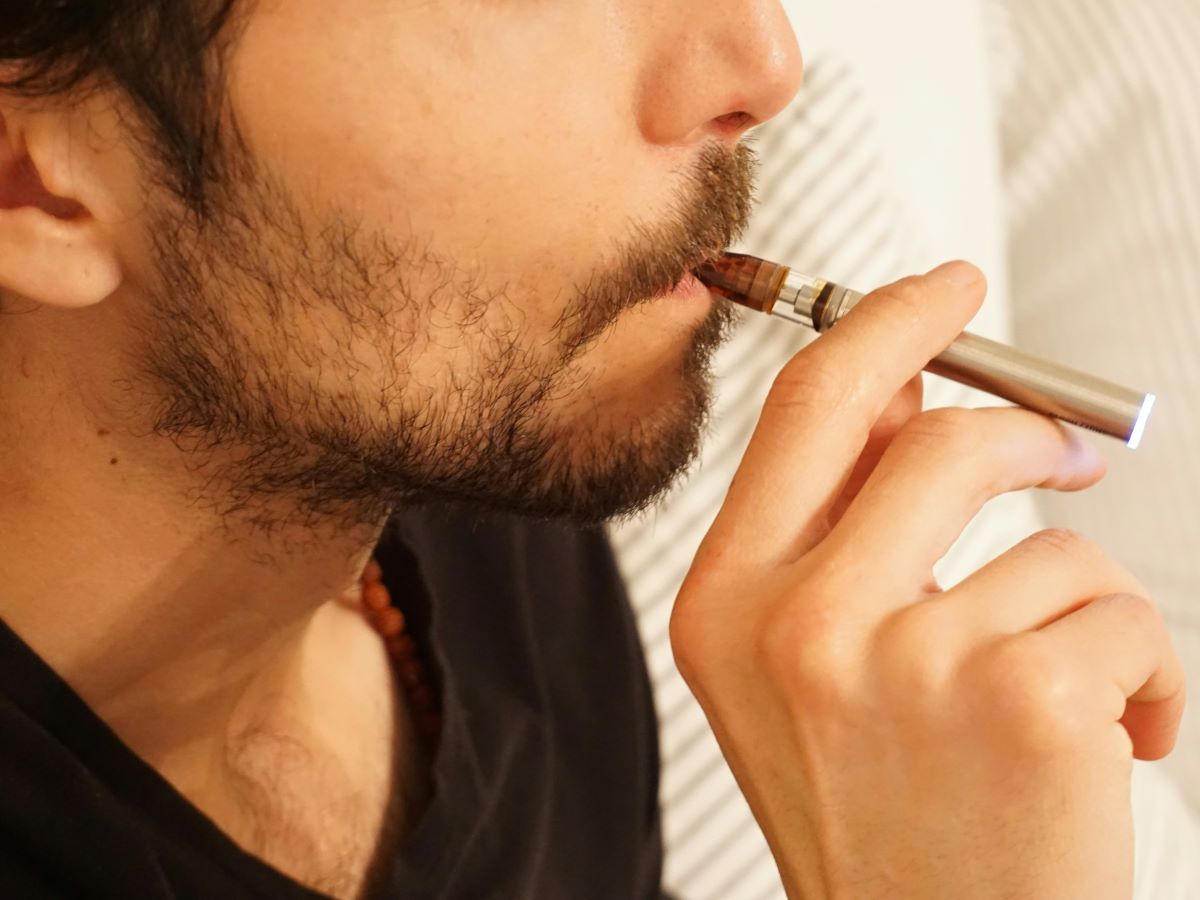
Some manufacturers emphasize preserving native terpenes from start to finish. For example, certain cartridge platforms highlight single-strain oil with terpene retention as a differentiator, aiming to deliver a top-shelf experience that mirrors the flower’s personality. When executed well, these products maintain the blackberry-jam sweetness, cocoa undertones, and caryophyllene-driven spice. Always review lab data for both potency and residual solvents when applicable.
Optimal vaporizer temperature settings matter for taste and effect. Start around 170–180°C (338–356°F) for bright fruit and clarity, then nudge to 185–195°C (365–383°F) to reveal pepper-diesel depth and heavier body. For dabs, low-temp pulls in the 200–260°C (392–500°F) surface range preserve nuance and reduce harshness. As always, clean hardware and slow draws make the difference between muted and mouthwatering.
Buyer’s Guide and Strain Comparisons
When shopping, begin with your nose: Blackberry Mamba should announce blackberry jam, grape skin, and a peppery-diesel undercurrent. Visuals matter too—look for tight, frosted nuggets with violet-to-near-black accents and healthy pistil color. Squeeze gently to gauge density without crushing trichomes; a strong, sweet-spiced release upon the squeeze is a promising sign. Avoid overly dry buds, which tend to mute fruit and emphasize harshness.
Comparisons help triangulate the profile. Electric Black Mamba, bred from Black Domina and Purple Diesel, is widely described as mostly calming—an effect signature that parallels Blackberry Mamba’s evening utility. Blackberry Kush leans even deeper into dessert tones and can be heavier, while Purple Diesel brings more uplift and fuel-forward sharpness. If Blackberry Mamba sits between these, expect a balanced arc: flavorful, relaxing, and not overwhelmingly sedative at modest doses.
Read COAs to verify your target: THC in the ~20–25% band, total terpenes above 1.8% for strong aroma, and a terpene stack led by myrcene-caryophyllene-limonene. If available, ask about cure length—4+ weeks often correlates with smoother smoke and louder fruit. Buy small first, then scale up once the batch proves itself in your grinder and bowl. Consistency over several weeks of storage is a hallmark of a well-grown, well-cured lot.
Lab Testing, Safety, and Compliance Considerations
Quality assurance starts with third-party lab testing for potency, terpenes, microbial contaminants, heavy metals, and pesticides. Regulatory thresholds vary by jurisdiction, but reputable producers test to a comprehensive panel and release full COAs. For concentrates, residual solvent analysis is essential; clean hydrocarbons, if used, should be below legal detection limits. Water activity in cured flower should remain below 0.65 to inhibit microbial growth and protect consumer safety.
Interpreting potency requires context. Humidity-corrected THC and total cannabinoid figures provide a more reliable comparison across batches than raw “as received” numbers. Small lab-to-lab variability is normal, so focus on ranges and patterns rather than fixating on a single decimal. When in doubt, lean on aroma intensity, flavor fidelity, and effect consistency—sensory quality often correlates with robust terpene content and careful handling.
Finally, verify packaging integrity and storage practices at the point of sale. Heat and light exposure degrade both cannabinoids and terpenes over time, reducing value. Products kept cool, in opaque containers, and rotated with a first-in-first-out approach retain their character longer. Ask questions—transparency is a reliable proxy for quality.
Historical Context and Market Position
Blackberry Mamba arrived as consumer appetite shifted toward terpene-rich, dessert-leaning indicas with eye-catching color. This coincided with broader market recognition that aroma complexity often predicts a more nuanced, enjoyable effect profile. As breeders selected for both THC potency and terpene abundance, strains capable of 2%+ terpene totals became common in premium shelves. Within this trend, Blackberry Mamba stands out for fusing nostalgic berry notes with modern diesel-pepper structure.
The strain occupies an evening niche but avoids the overly narcotic, single-note heaviness sometimes associated with classic couchlock cultivars. That balance expands its audience to flavor chasers, wellness consumers, and casual evening users alike. In informal consumer feedback, descriptors like calming, flavorful, and clean-burning appear frequently when batches are properly cured. This consistency has helped Blackberry Mamba maintain traction across multiple markets despite naming inconsistencies.
Statistics-Backed Expectations and Variability
While precise, peer-reviewed datasets on Blackberry Mamba are limited due to its relatively recent emergence, industry-facing metrics and adjacent strain data frame reasonable expectations. THC commonly appears in the 19–26% range, total terpenes in the 1.8–2.8% band, and dominant terpenes myrcene and caryophyllene together often comprise 0.7–1.5%. For effect distribution, indica-leaning calming is the modal response, aligning with reports that Electric Black Mamba’s effects are mostly calming. Side-effect incidence for dry mouth in user self-reports typically falls in the 30–50% range for high-THC indicas, with red eyes in the 20–40% range.
Yield metrics depend on grower technique and environment. Indoors, 500–650 g/m² under strong LEDs with optimal VPD and EC is a realistic goal; outdoors, 700–1000 g per plant is attainable in hospitable climates. Flowering length of 8–9 weeks is typical, with density and resin production increasing markedly after week five. Color expression increases with cooler nights late in flower but is not strictly necessary for top-tier aroma.
On the medical side, patient surveys across cannabis broadly report meaningful symptom reductions for chronic pain, sleep disturbance, and anxiety in a substantial subset of users. Exact percentages vary by study design, but effect sizes for pain are frequently moderate, with improvement rates ranging between roughly 40% and 70% among those who continue use. While these figures are not Blackberry Mamba–specific, they contextualize user anecdotes that align with the strain’s calming, analgesic-leaning profile. As always, individual variability is the rule, making titration and journaling valuable tools.
Responsible Use, Dosing, and Set/Setting
For new consumers, begin with 1–2 small inhalations and wait 10–15 minutes before redosing. Experienced users familiar with high-THC indicas can scale to 2–4 inhalations per session, mindful that the body load may escalate after the 20–30 minute peak. Edible formulations containing Blackberry Mamba extract should start at 2.5–5 mg THC for novices, stepping up in 2.5–5 mg increments per session. Spacing sessions by at least 24 hours helps assess baseline response and tolerance.
Set and setting play a role in the experience. A quiet, comfortable environment with hydration and a light snack on hand improves outcomes, particularly for users sensitive to orthostatic dizziness or blood sugar dips. For sleep, time the session 60–90 minutes before lights out, dimming screens and reducing stimulation to cue the transition. If the goal is creative unwinding, low-temp vaporization paired with music or a simple hobby keeps the mind engaged without overwhelming the body.
Conclusion: Why Blackberry Mamba Endures
Blackberry Mamba endures because it delivers a coherent, crowd-pleasing package: seductive blackberry jam aroma, a dignified pepper-diesel counterpoint, and a reliably calming effect arc. The strain’s look—frosty, violet-laced buds—meets modern expectations for beauty without sacrificing function. In a market flooded with dessert strains, it retains character and balance, offering savoriness where some are merely sweet. That depth makes it versatile for flavor connoisseurs and evening-relief seekers alike.
As naming conventions normalize and lab transparency expands, Blackberry Mamba’s identity will continue to sharpen around its chemical fingerprint. Until then, consumers can rely on sensory cues and lab ranges to find exemplary batches. Growers who respect environment, nutrition, and post-harvest nuance can unlock its best expression, translating genetics into an unforgettable jar experience. From flower to concentrate, Blackberry Mamba rewards careful hands and curious palates with lasting, purple-tinged satisfaction.

