 Written by Ad Ops
Origins, Naming, and History of Berry Zkittlez
Berry Zkittlez is a contemporary hybrid that riffs on the award-winning Zkittlez lineage, celebrated for its candy-sweet terpene profile and calming, functional high. While “Berry Zkittlez” is not tied to a single universally recognized breeder, the name generally denotes a Zkittlez-forward phenotype or cross selected for amplified berry notes. In practice, dispensary menus and seed banks apply the label to distinct but related genetics that all share the unmistakable Zkittlez candy character with a berry twist. This makes Berry Zkittlez a category of closely related expressions rather than a single standardized clone-only cut.
Zkittlez itself rose to prominence in Northern California during the 2010s and quickly became a terpene icon for its fruit-salad bouquet. Public strain guides note its surprisingly uplifting, calm-leaning effects for an indica-dominant hybrid, and its influence seeded an entire wave of dessert and candy cultivars. Leafly summarizes the core Zkittlez effect as calming and focusing without heavy couchlock, while CannaConnection highlights stress relief as a frequent consumer outcome. These characteristics laid the foundation for berry-leaning selections that preserve Zkittlez’ composure while pushing a juicier, darker fruit spectrum.
As the cultivar proliferated, breeders and growers pursued phenotypes emphasizing blueberry, raspberry, or dark grape nuances. The “Berry” tag often signals a higher proportion of monoterpenes like limonene and linalool paired with myrcene and caryophyllene, which deepen the jammy fruit tone. Early grower reports described a “candy aisle” aroma that gelled into a berry jam profile by late flower, echoing SeedSupreme’s note that Zkittlez intensifies in aroma as harvest approaches. Berry Zkittlez has since earned a niche among flavor chasers who want sweetness paired with a pliable, daytime-friendly body relaxation.
Because the market uses the label across multiple cuts, shoppers should verify batch-specific data wherever possible. Potency, terpene totals, and even color gradients can vary meaningfully between breeders and grows. Nonetheless, the shared sensory signature—candy, berries, and a mellow, alert ease—anchors the Berry Zkittlez experience. That consistency explains why it has become a staple recommendation for people who love Zkittlez but prefer a darker-fruit finish.
Genetic Lineage and Breeder Variations
At its core, Berry Zkittlez leverages the Zkittlez backbone: an indica-leaning hybrid famous for candy aromatics and a calm, clear high. The “Berry” component typically derives from berry-forward parents such as Blueberry, Raspberry Kush, or Goji-leaning lines, though exact pairings differ by breeder. In some catalogs you will see Berry Zkittlez presented as Zkittlez x Blueberry, while others describe it as a berry-dominant phenotype selected out of a Zkittlez seed run. Both interpretations are consistent with the marketplace reality where names mark aromatic families as much as fixed pedigrees.
Genetic variability means phenotypes can range from candy-grape to blueberry jam, with occasional strawberry taffy expressions. Growers commonly report that berry-forward phenos carry denser bracts and more anthocyanin potential, especially with cooler nighttime temperatures. Meanwhile, candy-leaning phenos often show slightly higher limonene and a brighter, sherbet-like top note. This array reflects how Zkittlez’ volatile terpene matrix interacts with secondary parent chemistries to push fruit tones in different directions.
Context from related Zkittlez hybrids helps place Berry Zkittlez on the map. Purple Runtz (Zkittlez x Gelato) has been documented to reach up to 30% THC in select cuts, showcasing how Zkittlez passes along both flavor and potency. Runtz itself is recognized for a balanced, euphoric-yet-relaxing effect, reinforcing Zkittlez’ role in shaping well-rounded highs. In parallel, Leafly lists Watermelon Zkittlez as an indica with limonene dominance and Blue Zkittlez as a more sedating expression—two derivatives that preview the kind of berry-and-candy trajectories the Berry Zkittlez family frequently travels.
Because no single breeder owns the name, the best approach is to anchor expectations using lab data rather than the label alone. Check if the cultivar’s total terpene content sits in the 1.5–3.5% range by weight, a common target for top-tier Zkittlez expressions. Confirm that limonene, caryophyllene, myrcene, and linalool appear prominently, indicating the berry-candy synergy consumers seek. When COAs align with this profile, the specific breeder recipe matters less than the sensory and experiential outcomes.
Appearance and Bag Appeal
Berry Zkittlez tends to produce medium-dense colas with a robust calyx-to-leaf ratio, translating to photogenic nugs that trim cleanly. Coloration often skews lime to emerald green under a frosting of glandular trichomes, with purples and magentas emerging when night temperatures drop below 18–19°C late in flower. Pistils usually start tangerine or apricot and fade to a dull copper as maturity sets in. The result is a visual contrast—sparkling frost against candy-bright hairs—that telegraphs the strain’s dessert pedigree.
Trichome coverage is typically heavy across both capitate stalked heads and smaller sessile glands, a trait that correlates with strong terpene and cannabinoid production. Under magnification, mature trichome heads appear bulbous and cloudy, with amber percentages increasing rapidly during the last 7–10 days. Growers commonly harvest around 5–15% amber trichomes to preserve the cultivar’s bright, functional effect while locking in flavor. Longer windows shift the effect more sedating and tilt the bouquet toward jammy, cooked-berry tones.
Bud structure often adopts the “gumdrop” look: rounded calyx clusters layered tightly around sturdy stems. Compared to looser sativa-leaning flowers, Berry Zkittlez can be more prone to retaining moisture deep in the cola. This density improves bag appeal but raises the importance of airflow and careful dry-down to prevent botrytis. When cured properly, the finished buds glitter and break apart with a candy-snap dryness that releases a burst of berry sweetness.
Quality indicators for consumers include uniform bud sizing, intact trichome heads that sparkle rather than smear, and a noticeable candy-berry aroma from the jar. Top-shelf batches often display terpene volatility even at room temperature, perfume-like and distinctive. If buds show compact, glassy resin heads and a sticky-but-not-wet feel, they are likely well-cured. That combination of look, touch, and smell is what puts Berry Zkittlez into “showpiece” territory on a dispensary shelf.
Aroma: Candy Shop Meets Berry Patch
The dominant aromatic impression is a confectioner’s bouquet layered with fresh berries—think fruit chews, blackberry jam, and a lemon-zest lift. Zkittlez’ candy shop baseline is well documented by consumer guides, and the “Berry” selection amplifies darker fruit facets via myrcene and caryophyllene. Limonene bolsters this profile with bright citrus, while linalool adds a soft lavender-like roundness that reads as purple candy. The interplay creates a scent that is both playful and surprisingly complex.
Open a jar and the top notes present as sweet-tart: lemon-lime candy with blueberry skin and red-berry acidity. Mid-notes bring a grape taffy quality and hints of raspberry leaf tea, while base notes deliver a gentle peppery warmth. Compared to straight Zkittlez, Berry Zkittlez often leans slightly less tropical and more dark-fruit, like a mixed-berry reduction. Many batches reveal a subtle creamy undertone reminiscent of sherbet or gelato, especially after a brief jar warm-up.
Aroma intensity varies with cultivation and cure but is frequently rated high; total terpene content in dialed-in grows often clocks between 1.5–3.5% by weight. Anecdotal grow journals echo SeedSupreme’s note for Zkittlez that aroma strength spikes in the final weeks and continues developing during cure. When properly dried at 60–62% RH, the bouquet “unlocks,” with berry tones blossoming first and candy notes carrying through the finish. If terpenes are suppressed, check for overly rapid drying or excessive heat exposure during post-harvest.
An important tip for connoisseurs is to sample the aroma at multiple temperatures. Slightly warming a small bud in clean fingers can reveal vanilla-sherbet edges and linalool florals. Crushing a sugar leaf often exposes the pepper-spice undercurrent from caryophyllene. This temperature-responsive evolution is a hallmark of terpene-rich Zkittlez progeny.
Flavor Profile and Consumption Notes
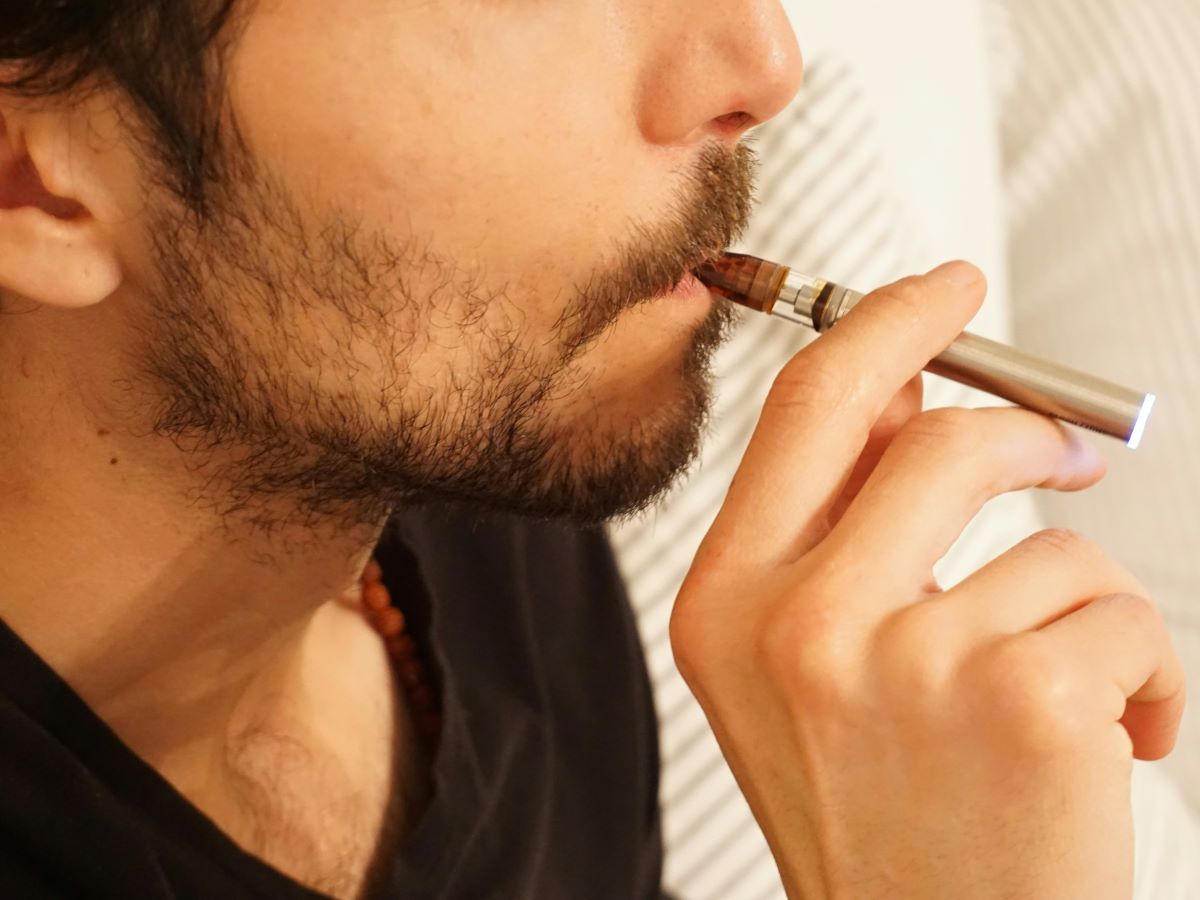
Inhaled, Berry Zkittlez starts candy-sweet with a lemon-lime sparkle before rolling into blueberry syrup and grape taffy mid-palate. On the exhale, expect a creamy, sherbet-like softness with faint lavender and a peppery tickle at the back of the tongue. Vapers often report clearer distinction between lemon rind (limonene), berry jam (myrcene), and warm spice (caryophyllene) around 180–200°C. Combustion retains the candy headline but tends to blend the berry and spice layers.
Flavor persistence is one of the cultivar’s strengths; the aftertaste frequently lingers for several minutes. Many reviewers describe the finish as “purple candy with a clean citrus exit,” a trait that pairs well with fruit-forward beverages or palate-cleansing sparkling water. Properly cured flower avoids grassy notes and emphasizes brightness without harshness. If a batch tastes flat, it often traces back to rushed drying or underdeveloped trichome ripeness.
Terpene volatility means small changes in preparation can influence the tasting arc. Grinding right before use preserves top notes, while over-grinding or letting ground flower sit can dull citrus and floral facets. For vaporization, starting around 175°C and stepping up to 205°C can layer the experience from candy-citrus to jammy-spice. This stepped approach showcases why Zkittlez-line cultivars are popular with flavor connoisseurs.
Edible infusions with Berry Zkittlez often highlight berry-citrus flavors in gummies and syrups, aligning with the strain’s dessert persona. However, decarboxylation and cooking can skew terpenes, muting the lemon-bright edge and deepening the berry base. For beverage infusions, cold-process emulsions or terpene reintroduction can preserve more of the top notes. Sensory-forward producers sometimes layer added botanical limonene or linalool to emulate the live-flower profile.
Cannabinoid Profile: THC, CBD, and Minor Compounds
Zkittlez lineage commonly tests in the mid-to-high THC range, and Berry Zkittlez typically follows suit. Publicly posted COAs in West Coast markets often place Zkittlez-derived batches between 18–24% THC by dry weight, with rare outliers above 25% when breeding and cultivation align. CBD usually registers trace to low (often under 1%), making the chemotype THC-dominant. Minor cannabinoids such as CBG may appear around 0.2–1.0%, while CBC often lands in the 0.1–0.3% range.
For many consumers, perceived potency depends not only on THC percentage but on total terpene content and composition. Leafly’s analysis of strong strains emphasizes that terpenes can enhance and shape subjective intensity, even when THC values are similar. Berry Zkittlez with 20% THC and 2.5–3.0% total terpenes can feel more robust than a 24% THC sample with under 1% terpenes. This synergy helps explain why Zkittlez progeny punch above their THC number in flavor and effect.
Batch-to-batch variance is normal, so reading the product label and QR-linked lab results is wise. If available, check for the top four or five terpenes and ensure they align with limonene, caryophyllene, myrcene, linalool, or humulene. Total terpene levels above 2.0% generally correlate with richer aroma and fuller-bodied effects. Consumers who prefer gentler experiences may target batches in the 16–19% THC range with 1.5–2.0% terpenes for balance.
Minor cannabinoids can subtly change the ride. CBG, for instance, is being studied for potential anti-inflammatory roles and may contribute to a smoother body feel. THCV, if present even in trace amounts, can sharpen or brighten the mental tone for some people. While these contributions are small next to THC and terpene drivers, they round out the cultivar’s chemotypic fingerprint.
Terpene Profile and Entourage Chemistry
The dominant terpene in many Zkittlez-family batches is limonene, which aligns with Leafly’s cataloging of Watermelon Zkittlez as limonene-dominant. In Berry Zkittlez, limonene typically supports the lemon-candy top note and elevates mood and clarity for many users. Myrcene often plays a co-starring role, lending ripe berry-jam depth and gentle body ease. Caryophyllene brings a warm pepper-spice base and is notable as a cannabinoid-terpene that can engage CB2 receptors.
Linalool appears frequently in berry-forward phenotypes and contributes lavender-like florals and calm. Humulene may add a subtle hoppy dryness, balancing the sweetness. In stand-out batches, total terpene content may range from 2.0–3.5% by weight, with individual terpene peaks like limonene at 0.4–0.8%, myrcene at 0.3–0.7%, and caryophyllene at 0.2–0.5%. These ranges are consistent with reports for high-aroma dessert cultivars and match the robust nose people expect from a Zkittlez derivative.
The entourage effect concept suggests that terpenes can modulate the psychoactivity and therapeutic feel of THC. For example, limonene has been associated with mood-lifting properties, while linalool and myrcene are frequently cited for their calming and muscle-relaxing qualities. Caryophyllene’s interaction with CB2 may influence perceived relief from inflammatory discomfort. Together, these compounds can produce an effect that users describe as relaxed yet alert, a hallmark of the Original Z reported by Leafly.
Cultivation and cure strongly shape the final terpene fingerprint. Overly warm drying, aggressive burping, or prolonged oxygen exposure can drop terpene totals by 20–40% in the first weeks post-harvest. Conversely, a careful 60/60 dry (60°F/60% RH) with stable, dark storage can preserve peaks at or above 2.5%. This quality-control window is where Berry Zkittlez either shines or fades on the retail shelf.
Experiential Effects: Onset, Plateau, and Duration
Consumers frequently describe Berry Zkittlez as a smooth, layered high that arrives quickly and settles into a calm but clear focus. This mirrors SeedSupreme’s description of Zkittlez as a fast-hitting, mellow, and uplifting experience and Leafly’s note that Original Z leaves many users focused, alert, and happy. For most inhalation methods, onset occurs within 1–5 minutes, with a plateau around 20–40 minutes. The overall duration typically lasts 2–4 hours depending on dose, metabolism, and tolerance.
The headspace is usually upbeat without racing, pairing well with low-key socializing, creative hobbies, or light tasks. Body effects tend toward loosened shoulders and an easy posture rather than heavy sedation, aligning with CannaConnection’s stress-relief summary for Zkittlez. Many users report that the cultivar helps them unwind after work while remaining present and conversational. At higher doses or in more sedating phenotypes, the tail end may become relaxing enough for couch time.
Compared to heavier indicas, Berry Zkittlez is a flexible anytime strain, especially in the afternoon or early evening. It pairs well with music, cooking, or mellow gaming, where flavor and mood are part of the fun. The balanced nature also makes it a common choice for people who want relief from tension without sacrificing mental clarity. Those seeking sleep support might prefer late-evening dosing or choose berry-leaning cuts that skew toward Blue Zkittlez’ more sleepy reputation.
Tolerance and set/setting matter. New consumers should start low—1–3 mg inhaled THC equivalents—and wait several minutes before redosing. Experienced users can s

