 Written by Ad Ops
Introduction: What Is Berry Banana Candy?
Berry Banana Candy is a boutique hybrid cultivar celebrated for its confectionary nose and fruit-salad palate that blends ripe berries with creamy banana taffy. In many markets, the name denotes a house-bred cross or phenotype rather than a single, standardized clone-only cut, so expressions can vary by breeder. Even with that variability, fans consistently point to three pillars of its identity: candy-sweet aromatics, dessert-like flavors, and a relaxing yet mood-lifting hybrid effect profile.
The strain’s appeal aligns with broader market trends. In 2023, retail demand clustered around grape, berry, candy, and fuel aromatics—the “center mass” of the contemporary market—according to harvest-season roundups. Banana-flavored genetics also surged in popularity, with 2024 lists of standout releases calling out banana-forward cultivars like Banana Zoap. Berry Banana Candy sits squarely at this intersection of candy terps and fruit-forward comfort.
Because the name is used by multiple breeders, potency and terpene ratios can vary, but reported batches commonly test in the mid-to-high-THC range with low CBD. Comparable banana-berry hybrids such as Strawberry Banana are frequently listed around 15–20% THC and 0–1% CBD, offering a useful potency yardstick for the category. Experienced consumers prize Berry Banana Candy as an evening or social-session treat, while newcomers should approach with measured dosing due to potential strength.
History And Naming: The Rise Of Candy-Forward Hybrids
The “Candy” moniker in modern cannabis signals ultra-sweet terpenes and a syrupy fruit bouquet, often rooted in Zkittlez, Gelato, or Runtz family trees. The “Berry Banana” preface nods to parental influence from strawberry/berry lines and banana-forward cultivars, with Strawberry Banana, Banana OG, and Banana Punch frequently shaping the sensory template. This naming shorthand evolved as breeders chased dessert-shop aromatics that translate from the jar to the exhale.
From 2020 onward, dozens of candy-leaning hybrids began dominating menus, a trend cemented by buyer data and editorial curation. Leafly’s annual strain lists repeatedly highlight the momentum of candy and fruit flavors, while harvest summaries in 2023 emphasized berry and candy notes as the mainstream bullseye. In 2024, banana-heavy headliners were again prominent, validating ongoing consumer appetite for sweet, nostalgic profiles.
Berry Banana Candy emerged within this wave as a boutique label used by regional breeders and cultivators to denote a fruit-candy phenotype. While a single, universally recognized original breeder has yet to be canonized, the strain’s organoleptic footprint is remarkably consistent across versions. That consistency—combined with visually frosty buds—helped the name gain traction in dispensary cases and connoisseur circles.
Genetic Lineage And Breeder Perspectives
Without a universally agreed-upon breeder of record, Berry Banana Candy is best understood as a flavor-forward archetype whose genetics typically blend banana and berry ancestry with a modern candy backbone. Practical lineages reported by growers often involve Strawberry Banana or Banana OG on one side and a candy donor—like Zkittlez, Runtz, or a Gelato/Runtz derivative—on the other. Some cuts are said to incorporate Sugar Candy or Candy Kush to enhance syrupy sweetness and resin.
Strawberry Banana is a logical anchor point for the “berry-banana” axis, and feminized versions are widely sold with moderately high THC (often cited in the 15–20% range) and minimal CBD. On the candy side, Zkittlez- and Runtz-family genetics are synonymous with sticky-sweet fruit aromatics and dense frosting, while Sugar Candy is documented as a potent hybrid that elicits talkative, creative energy with THC around the low 20s. Taken together, these parent pools explain why Berry Banana Candy phenotypes tend to be terpene-rich, resin-forward, and dessert-like.
Because the name is used across regions, expect phenotypic diversity in flowering time, stretch, and dominant terpenes. In most reports, the strain leans hybrid-indica in structure with vigorous lateral branching and calyx-stacked colas—traits commonly inherited from both Banana OG and candy/Kush donors. Breeders often describe it as “crowd-pleasing,” a euphemism for a profile that wins blind smell tests and sells out quickly.
Appearance And Structure
Buds typically present as medium to large, with tight, grape-like calyx clusters that signal indica-leaning morphology. The structure is compact yet expressive, with outward-facing sugar leaves that curl just below the trichome line. Under magnification, capitate-stalked trichomes blanket the bracts, producing a frosted, almost powdered-candy look that intensifies toward the tips.
Coloration ranges from lime and forest greens to occasional purples, especially when night temperatures dip late in flower. Orange to rust pistils snake through the canopy, darkening as harvest approaches and creating visual contrast against the silver-white resin. The overall bag appeal is high, scoring well in the three visual hallmarks connoisseurs seek: density, trichome coverage, and vibrant color.
Cured flowers tend to maintain their integrity with minimal crumble due to robust resin heads and healthy moisture content. Properly dried buds will “snap” at the stem yet retain a spongy give, a sign that volatile aromatics are preserved. Ground material looks glassy and pale because of resin abundance, often clumping lightly in grinders—a classic candy-hybrid tell.
Aroma: From Berry Compote To Banana Taffy
Open a jar of Berry Banana Candy and you’ll usually meet a rush of red-berry compote layered over creamy banana and powdered sugar. The top notes skew confectionary—think berry hard candy, banana taffy, and faint vanilla icing—followed by a citrus spritz that brightens the bouquet. Over time, the base reveals warm spice and faint kushy earth, especially after a grind.
Dominant terpenes in this family commonly include limonene for the candy-citrus sheen and myrcene for ripe fruit depth. Linalool can impart floral sweetness, while beta-caryophyllene adds a savory spice that anchors the sugar. Some phenotypes show ocimene or valencene, which can read as tangy, tropical lift akin to orange creamsicle.
As the flower cures, the banana impression often intensifies, echoing ripe peel and taffy shops. This perceived banana comes from terpene interplay and other volatile compounds rather than a single “banana molecule,” though isoamyl acetate is the reference ester for banana notes in nature. In cannabis, the complex blend of terpenes and alcohols can create ester-like illusions, tricking the brain toward familiar candy cues.
Flavor: Candy-Sweet With Berry-Banana Layers
The palate mirrors the nose, starting with cotton-candy sweetness and berry jam before gliding into creamy banana. On the inhale, citrus-bright candy and a touch of vanilla soften the fruit, making the flavor feel aerated rather than syrupy. The exhale brings a rounder, custard-like banana note with light spice and a lingering berry glaze.
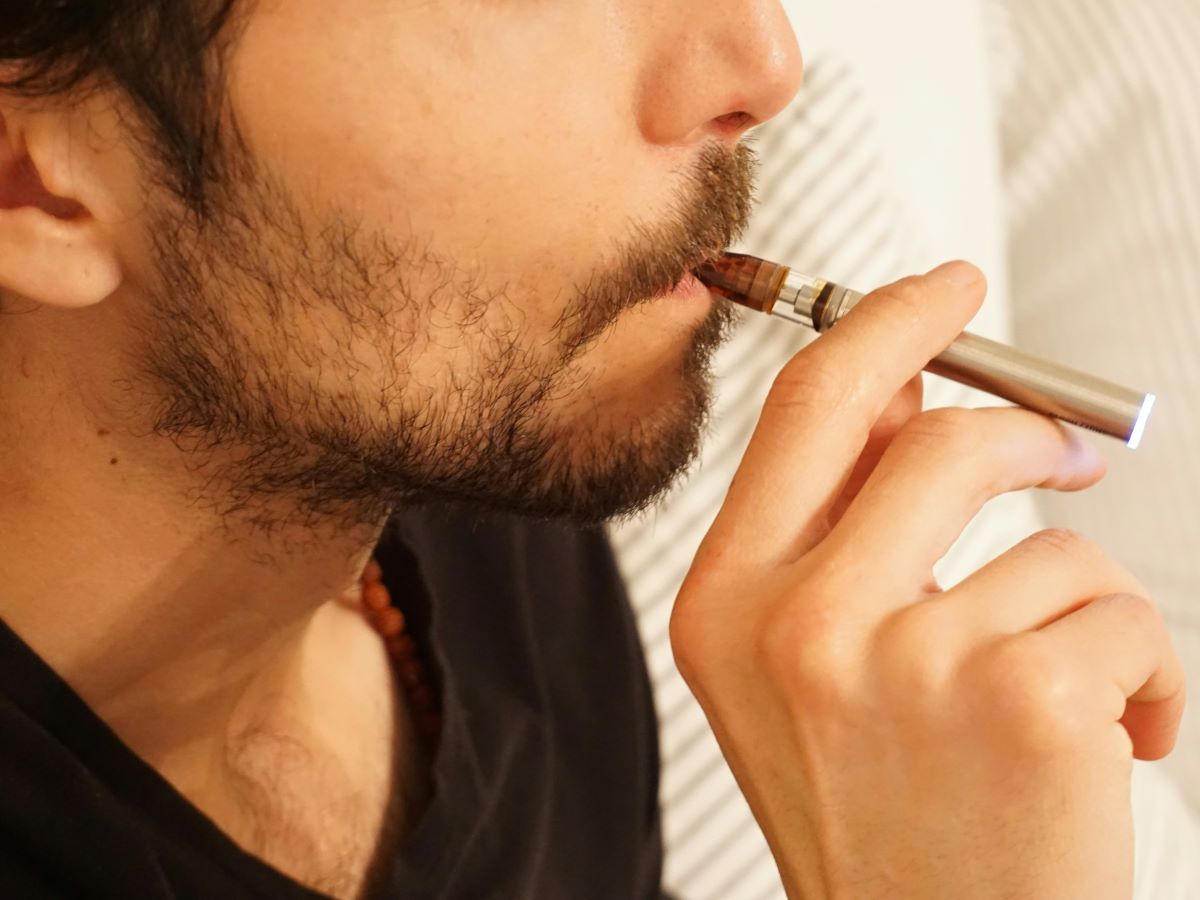
Vaporization highlights fruit-forward terpenes and preserves more top notes, delivering a cleaner strawberry/raspberry impression with banana chiffon. Combustion adds toast and caramelized sugar, nudging the profile toward crème brûlée with berry coulis. Many consumers report that the candy sweetness is persistent through the second and third draws, an uncommon endurance for fruit-heavy cultivars.
Pairings that complement the strain’s flavors include sparkling water with citrus zest, fresh mango, or dark chocolate to accentuate berry tannins. If you prefer edibles, Berry Banana Candy trim and sugar leaves can carry flavor into THC gummies—an increasingly popular form factor. Guides for making gummies often recommend bright, fruity strains for a synergistic taste experience, and this cultivar fits the brief.
Cannabinoid Profile And Potency
Expect THC potency to sit broadly in the high-teens to mid-twenties, with many batches clustering around 18–24% THC depending on phenotype and cultivation. Comparable banana-berry anchors like Strawberry Banana are commonly listed at 15–20% THC with 0–1% CBD, offering a conservative benchmark for lower-bound potency. On the ceiling side, banana-lineage cultivars can achieve very high numbers under optimal conditions; for example, Banana Purple Punch samples have been documented over 30% THC in trade-show testing.
CBD usually registers low in candy-forward hybrids, often under 1%, with occasional minor cannabinoids like CBG present in the 0.3–1% range. Total cannabinoids—THC plus minors—often span 20–30% in well-grown, resin-heavy phenotypes. The experience is driven predominantly by THC synergy with a relatively rich terpene fraction, rather than CBD moderation.
For edible makers, decarboxylation efficiency significantly affects potency outcomes. A typical decarb protocol (e.g., 105–115°C for 30–45 minutes) can convert THCA to active THC efficiently, but excessive heat or time can degrade terpenes. If your goal is gummies with a fruit-forward aroma, a gentler decarb and post-infusion flavoring will preserve more candy character.
Terpene Profile And Aroma Chemistry
While exact terpene ratios vary by cut, limonene and myrcene commonly headline Berry Banana Candy, together producing the sweet-citrus lift and ripe fruit body. Linalool frequently appears in the top five, infusing soft floral and pastry-like notes. Beta-caryophyllene contributes a peppery, clove-adjacent backbone that prevents the profile from becoming cloyingly sweet.
Secondary terpenes that show up in candy-forward hybrids include ocimene, humulene, and sometimes valencene, adding zingy, tropical, and slightly herbal dimensions. Total terpene content for well-grown dessert cultivars often falls between 1.5% and 3.5% by weight, a range associated with strong aroma translation from jar to inhale. Resin-rich phenotypes may push higher, especially when grown under optimal environmental controls and cured at stable humidity.
The “banana” perception is a gestalt impression rather than a single compound signature in cannabis. In sensory analysis, isoamyl acetate is the classic banana ester, but cannabis primarily expresses terpenes and terpenoids; certain blends, especially limonene with minor alcohols and aldehydes, can mimic banana candy. Similarly, berry candy impressions correlate with the interplay of limonene, linalool, and occasionally geraniol-like floral accents that our brains categorize as “red fruit.”
Experiential Effects And Use Cases
Consumers typically describe an uplifting onset that eases into a tranquil, body-forward finish without heavy couchlock at moderate doses. The early phase can feel social and chatty, with bright mood and sensory enhancement that pairs well with music, cooking, or a walk. As the session progresses, a warm relaxation spreads through the shoulders and limbs, encouraging calm focus or soft creativity.
At higher doses, the indica side of the hybrid asserts itself, deepening physical relief and quieting mental chatter. This is where Berry Banana Candy becomes an evening favorite—smoothing out stress and priming for sleep—while still carrying a cozy, dessert-like vibe. Vaporizing tends to emphasize the buoyant headspace and flavors, whereas joints or bongs deliver a fuller body melt.
Duration is commonly reported in the 2–3 hour range for inhalation, with peak effects in the first 45–90 minutes. Onset can be rapid, especially with high-THC batches, so new users should start with one or two small puffs and wait 10–15 minutes before redosing. Users sensitive to THC should prepare for possible dry mouth and temporary short-term memory fuzziness, standard for potent candy hybrids.
Potential Medical Applications
Berry Banana Candy’s profile suggests utility for stress reduction, mood elevation, and relief from mild to moderate pain. THC-dominant hybrids demonstrate modest but clinically meaningful analgesic potential in some studies, particularly for neuropathic discomfort, though individual responses vary. The warm body relaxation and mental quietude also make it a candidate for sleep latency issues when used in the evening.
Appetite stimulation is a common side effect of fruity candy strains, which can be beneficial for those navigating appetite loss. The strain’s low CBD content means it is not optimized for seizure disorders or conditions where CBD predominates in evidence, but minor cannabinoids plus terpenes may still contribute calming synergy. Users with anxiety-prone reactions to THC should favor very small doses and consider vaporizing to better titrate onset.
For daytime use in medical contexts, microdosing strategies—single 1–2 second inhales or low-milligram edibles—can capture mood lift without sedation. Patients making gummies often choose fruity cultivars to improve palatability, and the strain’s flavor translates well to edibles when decarbed gently. As always, consult with a healthcare professional, especially if you take medications or have cardiovascular, psychiatric, or respiratory conditions.
Comprehensive Cultivation Guide: Environment, Training, And Post-Harvest
Genotype expression varies by breeder, but Berry Banana Candy generally behaves as a vigorous hybrid with indica-leaning density and moderate internodal spacing. Most growers report a manageable stretch of 1.5–2x after flip, enabling tight canopy control in tents and small rooms. For indoor cycles, target a total run of 12–15 weeks from seedling to harvest, with 3–5 weeks of veg and 8–10 weeks of flower depending on phenotype.
Environmental controls are key for locking in candy terps. Aim for 24–28°C day and 18–22°C night in veg, then 22–26°C day and 17–20°C night in late flower to coax color and maintain resin. Relative humidity of 60–70% in veg and 45–55% in flower helps balance growth and mold risk; run VPD around 0.9–1.2 kPa in veg and 1.2–1.5 kPa in flower for efficient transpiration.
Lighting intensity should ramp to a PPFD of 800–1,000 µmol/m²/s by week 3–4 of flower for photoperiod grows, with CO₂ supplementation (900–1,200 ppm) optional for advanced rooms seeking higher ceilings. Keep an eye on leaf surface temperature with IR thermometers; high resin cultivars can be sensitive to excessive radiant heat, which volatilizes terpenes. Maintain steady airflow with oscillating fans and ensure filtered, negative-pressure exhaust to keep aromas contained.
In soil, a pH of 6.2–6.8 is ideal, while hydro and coco thrive around 5.8–6.2. Start with moderate feeding and increase EC as demand rises; candy-leaning lines often like a slightly higher potassium-to-nitrogen ratio from mid-flower onward to support terpene synthesis and density. Supplement calcium and magnesium through weeks 2–6 of flower to prevent tip burn and interveinal chlorosis under strong LEDs.
Training techniques that shine include topping once or twice in veg, low-stress training to spread mains, and a light SCROG to equalize the canopy. Defoliate sparingly—once around day 21 and again around day 42 of flower—to improve airflow and light penetration, but avoid over-stripping as sugar leaves carry valuable trichomes. Support heavy colas with bamboo stakes or trellis to avoid lodging late in flower.
Flowering time typically falls between 56 and 70 days, with the bulk of phenotypes ready in 60–65 days. Watch trichomes closely: peak candy flavor often appears when most heads are cloudy with 5–15% amber, though personal preference varies. Pistil color is a rough cue, but resin maturity under magnification is the more reliable harvest indicator.
Yield potential is strong for a flavor cultivar: indoor runs commonly report 450–600 g/m² under high-efficiency LEDs, while outdoor plants in favorable climates can produce 600–900 g per plant or more with long veg. These figures are averages; dialed rooms with CO₂ and aggressive training can exceed

