 Written by Ad Ops
History and Breeding Context
Auto Super Mazar sits squarely in the modern era of autoflower breeding, where the goal has been to preserve classic indica character while capturing true day-length independence from Cannabis ruderalis. Victory Seeds developed Auto Super Mazar as a ruderalis/indica hybrid, drawing lineage and inspiration from the famed Afghan Mazar families renowned for resin production and stout, hardy growth. The Super designation signals a selection emphasis on potency, yield, and vigor compared with earlier auto iterations.
To understand this cultivar, it helps to look at the broader Mazar auto family that preceded it and proved the template. Dutch Passion’s Auto Mazar, for instance, established that Mazar-based autos can be tough, resilient, and easy to grow indoors or outdoors, often finishing in around 75 days from seed under optimized indoor conditions. Reports from that program also emphasize sticky, dense buds and a strongly indica effect, both traits preserved and refined in many successor lines.
Autoflowers matured dramatically between 2010 and 2025, with multiple breeders producing plants rivaling photoperiod potency. Industry roundups frequently cite modern autos testing in the high teens to low-to-mid 20% THC, demonstrating that autos are no longer a compromise on strength. Within this context, Auto Super Mazar was bred to be a fast, no-fuss indica auto with the comfort-heavy, spa-like body effects that made Afghan indicas legendary.
Outdoors, the Mazar auto family has shown unusual tolerance to less-than-ideal conditions, including breezy coastal sites. Dutch Passion has specifically highlighted that Mazar-based autos can finish in roughly 100 days near the seaside when grown from seed, which underscores their durability in environments with salt-laden air and strong winds. Victory Seeds’ Auto Super Mazar aims at the same resilient profile, making it an accessible choice for novice growers and a dependable workhorse for experienced cultivators.
Genetic Lineage and Botany
The heritage provided for Auto Super Mazar is a straightforward ruderalis by indica combination, with the indica side anchored in Afghan Mazar genetics known for thick trichomes and a heavily sedative effect. The ruderalis component provides the autoflowering trait, allowing the plant to transition to bloom based on age rather than day length. This usually expresses as an overall compact stature, quick lifecycle, and an accelerated floral onset around week three to five.
Indica expression dominates in most phenotypes, with broad leaflets, short internodes, and robust lateral branching that can produce a dense crown of golf ball to egg-sized colas. In practical terms, many growers see an indica-leaning canopy structure that thrives in a sea-of-green layout. The ruderalis fraction tempers height and can improve cold tolerance and disease resilience compared with pure indica photoperiods.
In terms of chemotype, ruderalis lines historically carried lower THC and idiosyncratic terpene outputs, but modern breeders have backcrossed and selected intensively. The result is autos like Auto Super Mazar that can approach photoperiod potency while keeping the ruggedness of their ruderalis ancestry. Expect a cannabinoid-dominant, THC-forward profile rather than a balanced THC:CBD chemotype.
The Mazar family’s Afghan backbone typically concentrates terpenes such as myrcene, beta-caryophyllene, and humulene, shaping a hashy, earthy, and woody aromatic identity. While each breeder’s cut can differ, these core Afghan signatures tend to persist across Mazar-derived autos. The Super moniker from Victory Seeds suggests a phenotype range that leans heavy on resin density, with selection for uniform flowering and consistent bud hardness.
Visual Appearance and Plant Morphology
Auto Super Mazar typically forms a compact to mid-height frame with a stout main stem and closely spaced internodes. Indoors under high-intensity LED at 18 hours of light, many phenotypes stretch to approximately 60–100 cm, while outdoor plants can reach 80–120 cm in full-sun, warm summer conditions. The plants often present dark green, broad-fingered leaves indicative of strong indica expression.
Inflorescences are ordered in stacked nodes, and the apical cola can form a thick spear when the plant is allowed to grow untrained. Lateral branches produce dense secondary colas with a notably high calyx-to-leaf ratio, making for trim-friendly, compact buds. Mature flowers are heavily frosted, displaying a sparkling trichome crust that is easy to see even without magnification.
Calyxes are bulbous and often swell conspicuously in late bloom, giving buds a pleasing, lumpy structure. Resin heads are abundant and can appear cloudy to amber with maturation, an important visual cue for harvest timing. Depending on temperature swings, some phenotypes show slight purple tinges on sugar leaves, though the dominant color palette stays in the deep emerald range.
Growers frequently remark on bud hardness and weight for size, traits also associated with other Mazar-based autos. This density lends itself to strong bag appeal but requires vigilant airflow and humidity control in late bloom to avoid botrytis in compact tops. The overall plant silhouette is ideal for sea-of-green tables where uniformity and quick turnover matter.
Aroma (Scent) Profile
Auto Super Mazar channels a classic Afghan olfactory signature with a modern autoflower twist. Expect a pronounced hashish core, supported by earth, dry wood, and a wisp of incense that can feel almost temple-like. When the jar is cracked, undertones of damp soil, black pepper, and slight musk often appear.
On the grind, the profile gets spicier and more resinous, with the caryophyllene-driven pepper note becoming more assertive. A faint pine or camphor lift can emerge, likely tied to pinene-class terpenes, giving the bouquet a cool, evergreen edge. Humulene adds a gentle, hoppy dryness that keeps the nose grounded and savory rather than overtly sweet.
The terpene mix tends to project heavily in the drying space, so carbon filtration is recommended indoors. While some modern autos lean into fruit-candy aromatics, Mazar-derived autos typically stay on the old-world hash and wood spectrum. This positions Auto Super Mazar as a connoisseur pick for those who prefer heritage indica scents over tropical expressions.
In late flower, the room note becomes denser and more resin-rich, and it lingers in fabric and filters. The intensity usually peaks in the final two weeks as trichomes swell and volatile terpene content rises. A careful, slow dry preserves the nuanced pepper-wood chord that defines the strain’s aromatic identity.
Flavor and Consumption Experience
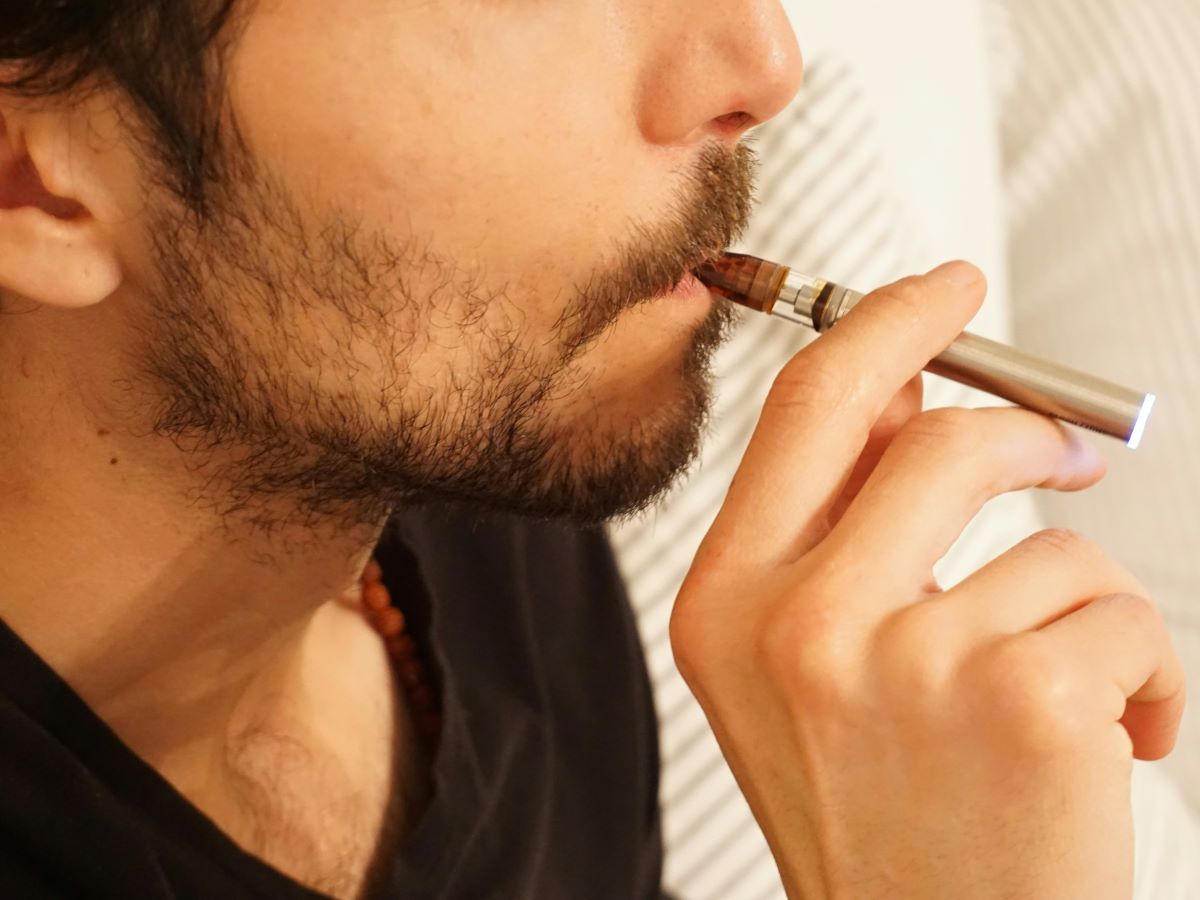
The flavor rides closely to the aroma, delivering a mouth-coating hashish resin note with earthy and woody contours. On first draw, expect a smooth, old-school Afghani taste, somewhere between cedar chest and sandalwood incense. Black pepper and a gentle spice tingle sit on the exhale, a nod to caryophyllene dominance.
When vaporized at lower temperatures, the profile is cleaner and more coniferous, with pinene tones brightening the edges. At higher vape temperatures or in combustion, the taste deepens into a fuller, oily hash resin that clings to the palate. A subtle sweet aftertaste appears in well-cured batches, hinting at myrcene’s soft, ripe fruit undertone without crossing into overt fruitiness.
Cure time plays a major role in flavor polish. A 4–8 week jar cure at stable humidity tends to round off any rough edges and heighten the incense-wood finish. Over-drying below 55% relative humidity can flatten the softer notes and tilt the flavor toward plain earth, so slow-and-low drying is recommended.
Users who enjoy legacy indica flavors usually find Auto Super Mazar easy to appreciate. It pairs well with evening rituals like tea, jazz, or a quiet movie, where you can savor the hashy, peppered exhale. The flavor holds up across a joint, with resin buildup making later puffs notably richer.
Cannabinoid Profile and Potency
Auto Super Mazar is bred as a THC-dominant autoflower with a ruderalis/indica heritage. In the broader context of modern autos, top-tier lines commonly reach 18–24% THC when grown under optimized indoor conditions, with some industry reports noting autos reaching 20–25% THC in select cultivars. For Mazar-derived autos, a reasonable expectation centers in the high teens to low twenties, with occasional outliers depending on phenotype and cultural conditions.
CBD is typically low, often between 0.1–1.0%, yielding THC:CBD ratios that can exceed 20:1. Minor cannabinoids such as CBG often register around 0.2–1.0%, adding to the overall entourage effect despite modest absolute levels. Variability is inherent to seed-grown autos, so batch-specific lab testing is the only way to confirm a given crop’s chemotype.
Dose-response patterns mirror other indica-heavy THC strains, with a steep increase in sedation and body heaviness beyond moderate dosing. First-time users should start low and wait, as the full body breadth can take 15–30 minutes to bloom even when the initial head rush hits quickly. The potency window means that a single half-gram joint split between two people can be more than sufficient for a relaxed evening.
Compared with CBD-forward autos or special-cannabinoid releases, Auto Super Mazar is decisively psychoactive. Industry roundups that highlight very low-THC, non-psychoactive autos serve as a useful contrast, emphasizing how strongly THC drives the experience here. As always, potency is contingent on cultivation parameters like light intensity, DLI, and post-harvest handling.
Terpene Profile and Chemistry
While exact terpene numbers vary by phenotype and cultivation, the dominant matrix in Auto Super Mazar typically features myrcene, beta-caryophyllene, humulene, and supporting pinene. In mature Afghan-leaning autos, total terpene content often lands in the 1.0–2.5% by dry weight range under careful drying and curing, with myrcene frequently the top contributor. Beta-caryophyllene and humulene add spicy, woody, and hoppy accents that define the strain’s savory tone.
As a rough guide from similar indica autos, myrcene can occupy roughly 0.3–0.9% of dry weight, with beta-caryophyllene at around 0.2–0.6%. Humulene may cluster in the 0.1–0.3% window, while alpha- and beta-pinene often contribute 0.05–0.2% each. Linalool sometimes appears in trace to modest amounts, adding a soft floral-lavender whisper on deeper draws.
Myrcene is frequently associated with sedation and perceived body heaviness, which harmonizes with Auto Super Mazar’s evening-friendly character. Beta-caryophyllene is notable for its unique activity at CB2 receptors, where it can modulate inflammation pathways in preclinical models. This synergy with THC may explain why many users describe a warm, melting relaxation rather than a purely narcotic couch-lock.
The terpene balance here is less about candy-sweetness and more about resin-rich depth. Growers can protect these volatiles by avoiding excessive heat during late bloom and post-harvest and by targeting a 10–14 day slow dry at 18–20°C with 50–60% RH. Proper handling can mean the difference between a nuanced incense-wood bouquet and a flattened, generic earthy profile.
Experiential Effects and Use Cases
The onset is typically fast, with many users reporting a noticeable head change within 5–10 minutes, followed by layered body calm over the next 15–30 minutes. The first phase often feels gently euphoric and anxiolytic, smoothing the edges of stress without racing thoughts. Over time, the body load deepens into a soothing heaviness that invites stillness, stretching, or a reclining posture.
Compared with sativa-forward autos, Auto Super Mazar prioritizes physical relaxation over mental stimulation. At moderate doses, users often describe a comfortable clarity with muted rumination, helpful for decompressing after work. At higher doses, expect pronounced couch-lock, hazy introspection, and an increased likelihood of nodding off.
Duration typically spans 2–3 hours for most users, with heavier consumers reporting shorter windows due to tolerance. Dry mouth and dry eyes are common side effects, and novice users may experience transient dizziness if they overconsume quickly. Small, incremental dosing tends to optimize comfort and reduce the risk of drowsiness overwhelming the experience.
The strain pairs well with evening rituals, gentle yoga, or a warm bath, where its body-first character can shine. Those seeking a social uplift may find it too sedating late in the session, though the early phase can feel pleasantly talkative. Its reliable landing strip into rest makes it a favorite for winding down, especially on days with physical exertion.
Potential Medical Applications and Considerations
Auto Super Mazar’s indica-forward effects may benefit people seeking relief from stress, muscle tension, and difficulty sleeping. THC, working alongside myrcene and caryophyllene, can support analgesic and anti-inflammatory pathways relevant to conditions such as generalized musculoskeletal pain and delayed-onset muscle soreness. Users frequently report that the body heaviness and mental quiet are conducive to sleep initiation.
The anxiolytic overlay at moderate doses may help those with situational anxiety or stress, though high doses of THC can be counterproductive for some. Beta-caryophyllene’s interaction with CB2 receptors is mechanistically interesting for inflammatory modulation, potentially complementing THC’s analgesic action. Humulene’s appetite-modulating effects are nuanced, but many users still experience a late-session increase in appetite driven by THC.
For neuropathic discomfort, THC-dominant options can provide meaningful relief for a subset of patients, though responses are individual and best approached with careful titration. People sensitive to THC may prefer microdosing strategies to capture calming benefits without sedation. Those needing daytime function should test very small amounts first, as Auto Super Mazar leans toward drowsiness as the dose rises.
As with any cannabis regimen, medical use should be discussed with a clinician, particularly if taking medications that interact with the endocannabinoid system. Individuals with a history of anxiety exacerbated by THC or with cardiovascular concerns should approach slowly. Non-psychoactive alternatives from special-cannabinoid collections exist, but Auto Super Mazar is not one of them and should be regarded as psychoactive.
Comprehensive Cultivation Guide
Lifecycle and timing: As a ruderalis/indica auto, Auto Super Mazar does not require photoperiod changes to initiate bloom. Indoors under 18 hours of light, comparable Mazar-based autos have been noted to finish in about 75 days from seed in optimized conditions, with some phenotypes taking longer. Outdoors or in marginal environments, 85–100 days from germination is a realistic window, echoing reports that coastal grows can reach harvest near the 100-day mark.
Germination and seedling stage: Germinate seeds in starter plugs or light, airy media to minimize damping off risk. Maintain 24–26°C substrate temperatures and 70–85% relative humidity for rapid, uniform emergence. Provide gentle light at 200–300 µmol·m⁻²·s⁻¹ PPFD to avoid stretch, and ensure gentle but consistent airflow to strengthen stems.
Transplant strategy: Autos dislike shock, so start in final containers when possible. For soil or soilless mixes, 11–15 L (3–4 gal) pots are a sweet spot for indoor single-plant performance. Fabric pots improve oxygenation and can speed root establishment, which is critical because autos have limited vegetative time.
Media and pH: In soil, target pH 6.2–6.8; in coco or hydro, maintain 5.8–6.2. Use a light, well-aerated mix with 20–30% perlite if blending your own substrate. Good drainage prevents waterlogging and protects against root pathogens during the accelerated growth curve.
Lighting and DLI: Autos perform well at 18/6 light cycles from start to finish, balancing growth rate and energy efficiency. Early growth is happy at 300–400 µmol·m⁻²·s⁻¹, scaling to 600–800 µmol·m⁻²·s⁻¹ during mid bloom for many LED setups. Aim for a daily light integral of roughly 35–45 mol·m⁻²·day⁻¹ in flowering to drive dense bud set without overwhelming the plant.
Environment: Keep day temperatures around 24–26°C and nights at 20–22°C for steady metabolism. Relative humidity should be 65–70% in seedlings, 55–65% in early vegetative growth, and 45–55% in bloom, lowering to 40–45% in the final two weeks to reduce botrytis risk in compact colas. Strong, well-distributed airflow is essential due to the variety’s dense flower structure.
Nutrition and EC: Autos generally prefer lighter feeding than comparable photoperiods. In coco or hydro, many growers see success starting at 0.8–1.2 mS·cm⁻¹ EC in early growth, peaking around 1.6–1.8 mS·cm⁻¹ in mid bloom, then tapering down before harvest. In soil, use modestly amended mixes and supplement with balanced bloom feeds, watching tips and leaf color to avoid nitrogen excess past week four.
Irrigation rhythm: Water to about 10–20% runoff in soilless systems and allow the medium to dry down to a consistent but not crispy state before the next event. In soil, avoid heavy, frequent watering during early root establishment. Autos respond well to consistent moisture but can suffer if roots remain saturated.
Training: Low-stress training is recommended to open the canopy and increase lateral cola development. Start gentle tie-downs once the plant has 4–6 nodes and continue incremental adjustments for a week or two. Avoid high-stress training or topping after the third week, as autos have limited time to recover; if topping, do it early and only on vigorous phenotypes.
Canopy strategies: Sea of green is a natural fit given the variety’s compact stature and uniform cola formation. Industry commentary has highlighted Mazar-based autos as reliable performers in SOG layouts due to their dense, sticky bud production and minimal need for long veg times. A 9–16 plant per square meter grid in 7–11 L pots can maximize yield per area under uniform lighting.
CO2 and advanced controls: If enriching CO2, aim for 900–1,100 ppm during lights on while maintaining appropriate PPFD; autos can utilize enrichment but do not require it to perform. Keep VPD in a healthy range appropriate for each growth stage to promote steady transpiration and nutrient uptake. Stable environmental control typically adds more yield to autos than aggressive feeding alone.
Pest and disease management: The line’s resilience helps, but dense flowers demand attention to powdery mildew and botrytis prevention. Implement integrated pest management with regular scouting, clean intakes, and biological controls where appropriate. Preventive foliar sprays should be completed before full flower set, and dehumidification should be sized to the room’s late-bloom load.
Outdoors: Autos let you pick windows that dodge seasonal rains, making them practical in temperate climates. Plant after the last frost, and in regions with cool nights, consider black fabric pots to warm the root zone. In breezy coastal sites, the Mazar family’s reputation for toughness has been noted, with harvests often ready near the 100-day mark depending on conditions.
Yield expectations: Yield depends on light, environment, and plant count. Under strong indoor LEDs delivering appropriate DLI, many growers target 400–500 g·m⁻² in a single-run SOG with dialed-in phenotypes, with high performers exceeding that mark. Outdoor yields can range broadly from 50–180 g per plant in modest containers to larger hauls in rich, full-sun beds.
Harvest timing: Use trichome color as your primary cue. For a balanced, relaxing effect, many growers chop when trichomes are mostly cloudy with 10–15% amber; for a heavier sedative tilt, 20–30% amber is common. Pistil color is supportive data, but trichomes give the most reliable signal.
Flushing and finish: In hydro or coco, a 7–10 day low-EC finish can help smooth the smoke. In soil, simply taper nutrients and water with appropriate pH to allow the plant to consume residuals. Avoid late-stage overwatering, which can dull terpene expression and invite rot.
Drying and curing: Hang-dry in the dark for 10–14 days at 18–20°C and 50–60% RH with gentle airflow. Once stems snap, trim and jar with 62% humidity control packs, burping daily during the first week and then weekly for the next 3–7 weeks. A 4–8 week cure consistently enhances the incense-wood, peppery flavor and stabilizes moisture for smooth combustion.
Beginner friendliness: Across the Mazar auto family, multiple sources emphasize that these genetics are tough, resilient, and easy to grow in any system. Auto Super Mazar follows that template, forgiving minor feeding and environment swings while still delivering quality. This makes it a strong entry point for first-time auto growers who want classic indica character without intricate training.
Comparative timing notes: Some autos bred for maximum yield can extend to 12–15 weeks, trading speed for bulk under certain conditions. In contrast, well-run Mazar-based autos frequently hit the 75-day indoor benchmark, with extensions outdoors when temperatures dip. Planning for a 75–95 day window gives growers a realistic expectation while accommodating phenotype and climate spread.

